The three-day public viewing of Pope Francis’ body, which began Wednesday inside St. Peter’s Basilica, sets in motion a sequence of events the Catholic Church has not navigated in over a decade. The last time a pope died was 2013, and that was a resignation. The last papal funeral was in 2005, for John Paul II. This is different.
Pope Francis died on April 21. Two days later, his body was moved from Domus Sanctae Marthae, the Vatican guesthouse where he chose to live rather than the Apostolic Palace. That decision—to reside among clergy, not in isolation—was one of many small breaks with tradition that defined his papacy. Now those choices shape the mourning period.
The basilica will remain open for three days. Thousands are expected. The Vatican has not released crowd estimates, but the 2005 viewing of John Paul II drew roughly 4 million people over four days. Security around St. Peter’s Square is already tightened. Rome’s hotels report full bookings. The city is bracing.
What happens next follows a script that has been used only a handful of times in the modern era. After the viewing, the funeral Mass is celebrated in St. Peter’s Square. Pope Francis requested a simple ceremony, but the Vatican’s rubrics for a deceased pontiff are elaborate. He will be buried in the grottoes beneath the basilica, near the tombs of earlier popes. No date has been announced.
Then the waiting begins. The College of Cardinals will gather in conclave to elect a successor. Pope Francis was 88 when he died. He appointed most of the cardinals who will vote. That suggests continuity, but conclaves are unpredictable. The last one, in 2013, produced a surprise: a Latin American Jesuit. Before that, no one expected it.
Whoever emerges will inherit a church Pope Francis reshaped. He was the first pope from the Americas. The first Jesuit. The first from outside Europe since Gregory III, a Syrian who died in 741. That background showed in his priorities. He pushed the church toward the margins—the poor, migrants, the environment. He made climate change a moral issue. He opened the door, slightly, to divorced and remarried Catholics receiving communion. He did not change doctrine on women’s ordination or priestly celibacy, but he talked about them in ways that unsettled conservatives.
The next pope will face immediate pressure. The global Catholic population is shifting south, to Africa and Latin America. Europe’s churches are emptying. The sex-abuse crisis continues to generate lawsuits and demands for accountability. Francis’ reforms to Vatican finances and governance—limited, contested—may be reversed or extended.
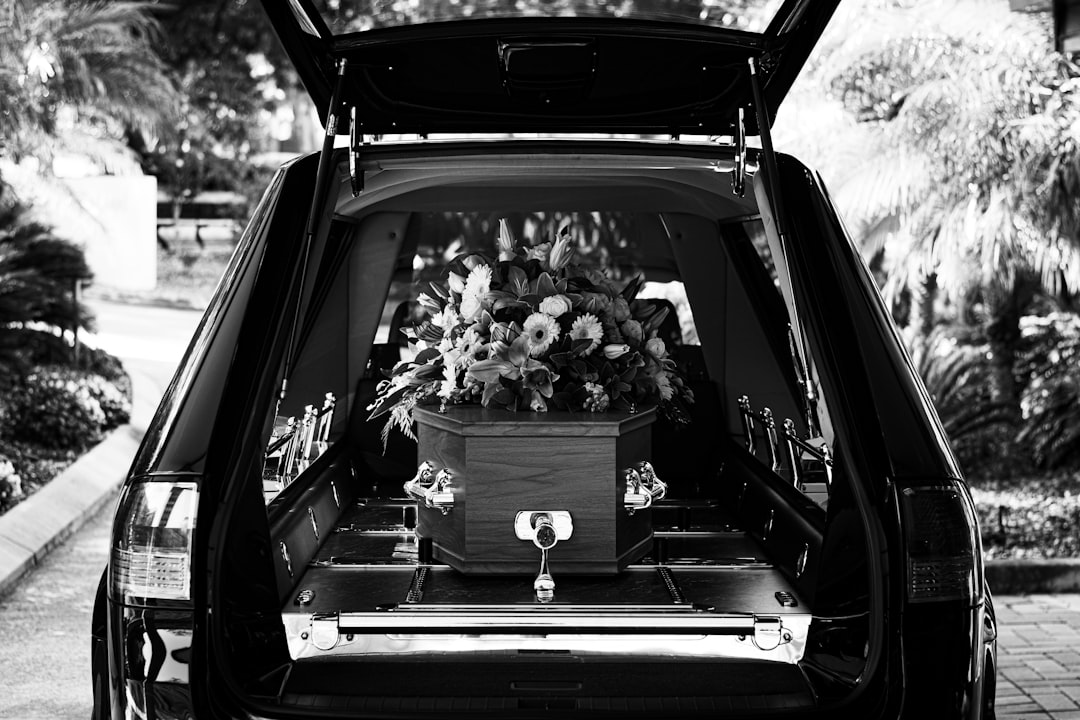
The public viewing itself is a logistical operation. The body lies on a simple catafalque, dressed in white vestments. Mourners file past in silence. Vatican guards stand at the corners. The basilica’s vast scale swallows the sound of footsteps. For many Catholics, this is the last chance to see a man they regarded as a moral leader who spoke plainly about inequality and war.
Pope Francis was born Jorge Mario Bergoglio in Buenos Aires. He was archbishop there by 1998, a cardinal by 2001. He worked in the slums. He rode the bus. He washed the feet of prisoners on Holy Thursday. Those images will be replayed in the coming days, as the church chooses a direction without him.
The sitting U.S. president has not yet commented publicly on the death. World leaders are expected to attend the funeral. The Vatican has not released a guest list. Security planning is underway.
For now, the basilica doors are open. The line stretches across the square. It moves slowly. People wait hours for a few seconds of silence.