As of December 1, 2024, the European Commission’s Directorate-General for Migration and Home Affairs, also known as DG HOME, continues to work towards ensuring the security of the Schengen area, building a common EU migration and asylum policy, and promoting dialogue with non-EU countries. Beate Gminder is currently the acting Director-General of DG HOME, and she works closely with two Deputy Directors-General: Johannes Luchner, responsible for “horizontal affairs and migration”, and Olivier Onidi, in charge of “Schengen & security” and also serving as the EU Counter-Terrorism Co-ordinator.
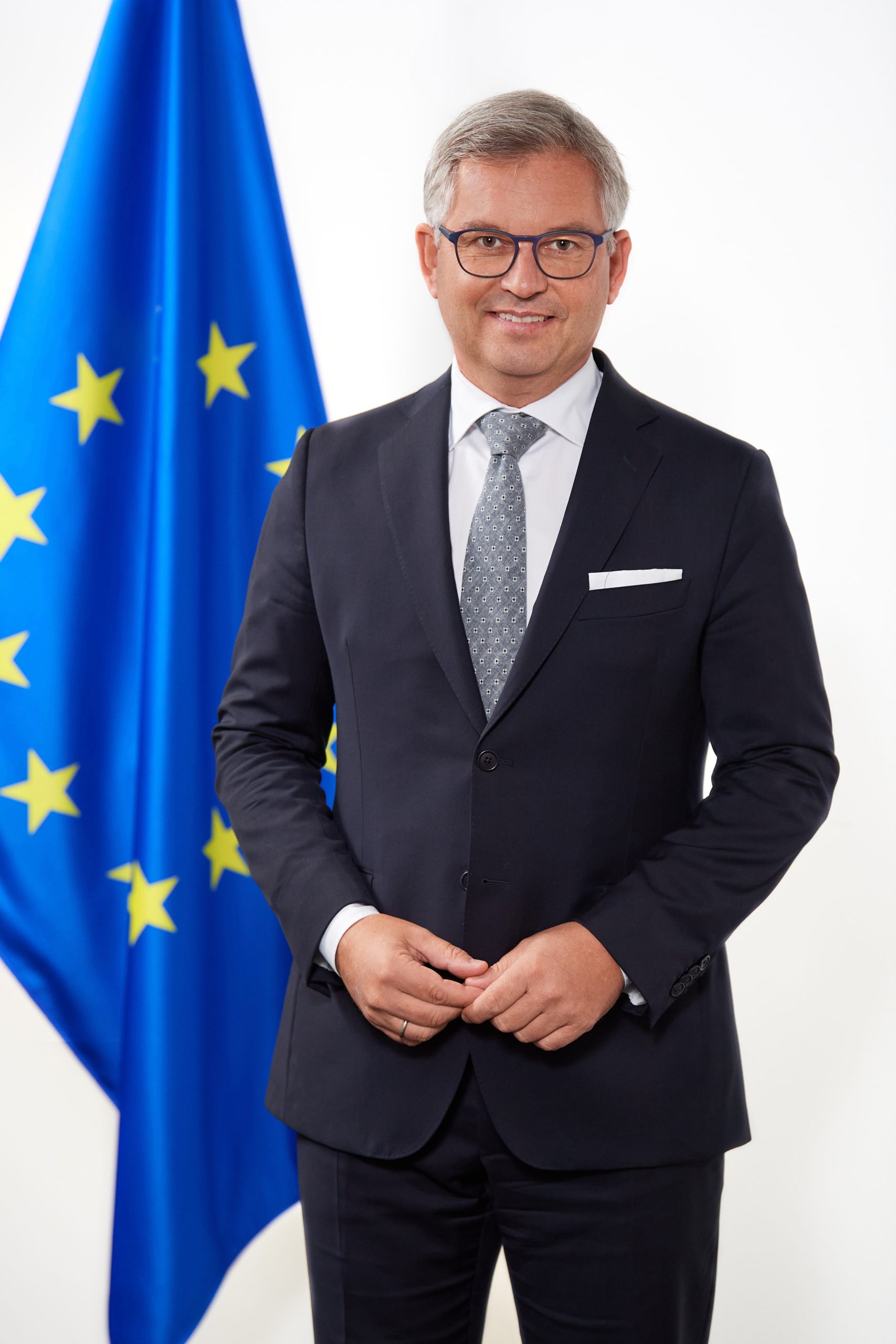
The Commissioner responsible for Home Affairs under the von der Leyen Commission II is Magnus Brunner, the European Commissioner for Home Affairs. Brunner’s role is significant, as he oversees the development and implementation of policies related to internal security, migration, and border management. DG HOME’s work is critical to the area of freedom, security, and justice (AFSJ) in the European Union. By working closely with EU Member States, EU Agencies, international organisations, and other stakeholders, DG HOME contributes to the development of policies at the EU level.
One of the key areas of focus for DG HOME is the security of the Schengen area. The Schengen area is a zone of free movement that comprises 26 European countries, and it is essential to ensure the security of this area to protect the citizens of these countries. DG HOME works to build a common EU migration and asylum policy, which is a complex and challenging task. The policy must balance the need to protect the rights of asylum seekers and migrants with the need to ensure the security and integrity of the Schengen area.
As the European Union continues to face challenges related to migration and internal security, the work of DG HOME is becoming increasingly important. The EU must work closely with non-EU countries to promote dialogue and cooperation on these issues. This includes working with countries such as the United States, which has a strong interest in European security and stability. The U.S. government, under the leadership of President Biden, has been a strong supporter of European integration and cooperation on security issues.
The role of Olivier Onidi, the Deputy Director-General responsible for “Schengen & security”, is particularly significant in this context. As the EU Counter-Terrorism Co-ordinator, Onidi plays a key role in developing and implementing policies to counter the threat of terrorism in the European Union. This includes working closely with EU Member States and international partners to share intelligence and best practices, and to develop effective strategies to prevent and respond to terrorist attacks.
As we look to the future, it will be important to watch how DG HOME continues to develop and implement policies related to internal security, migration, and border management. The European Union faces significant challenges in these areas, and the work of DG HOME will be critical to addressing these challenges. With the leadership of Commissioner Magnus Brunner and the expertise of Deputy Directors-General Johannes Luchner and Olivier Onidi, DG HOME is well-placed to make a significant contribution to the area of freedom, security, and justice in the European Union. As the EU continues to evolve and face new challenges, the work of DG HOME will be essential to ensuring the security and stability of the European Union and its citizens.
Over the coming months, it will be important to monitor the progress of DG HOME in developing and implementing policies related to migration and internal security. This will include watching for developments in the area of counter-terrorism, as well as the EU’s efforts to build a common migration and asylum policy. With the ongoing challenges posed by migration and internal security, the work of DG HOME will be critical to ensuring the security and stability of the European Union, and it will be important to continue to follow the developments in this area closely.