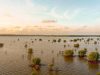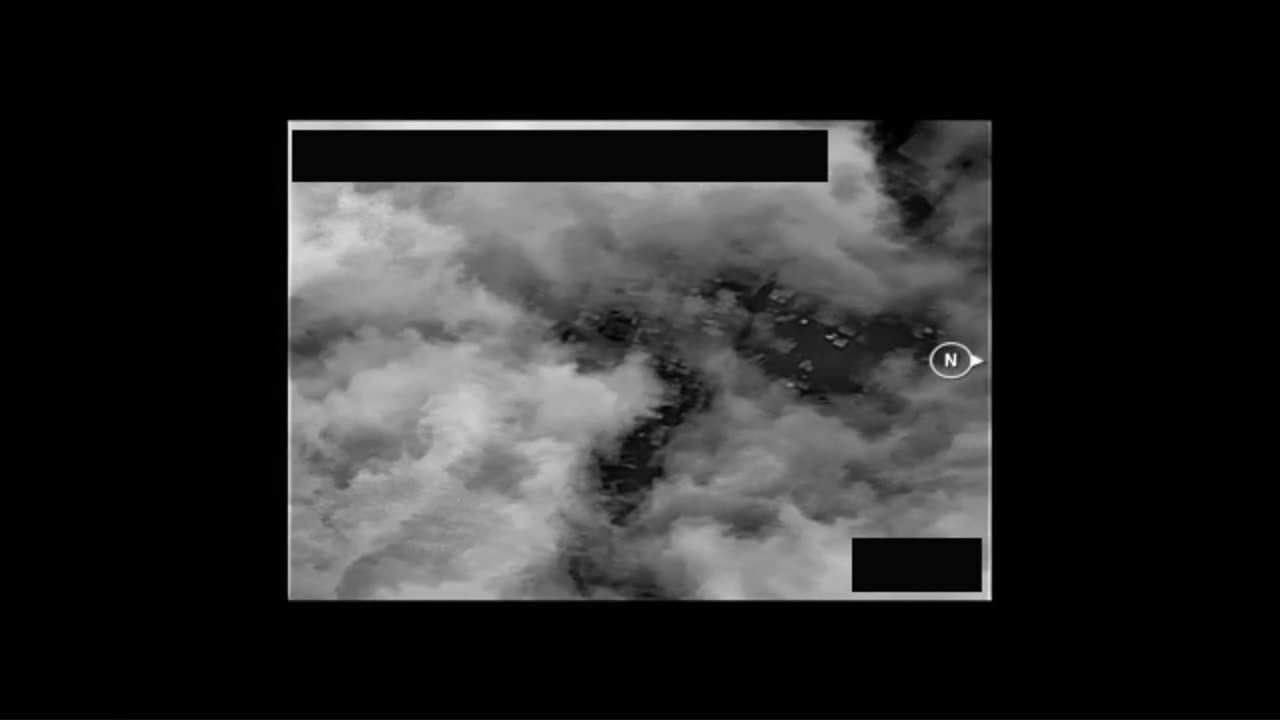

Eighty-nine bodies have been recovered. The number will almost certainly rise. A migrant boat capsized off Mauritania’s Atlantic coast, and the search for survivors continues. Dozens more are missing.
This is not a new route. It is a deadly, well-worn one. Migrants launch from West Africa, aiming for Spain’s Canary Islands, 100 kilometers away at the closest point. The Atlantic is unforgiving. Overcrowded wooden boats, called pirogues, often have no life jackets, little water, and failing engines. When they go down, they go down fast.
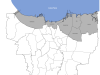
Mauritania sits on the edge of this migration corridor. Its capital, Nouakchott, is a coastal city of roughly 1.4 million people. The country itself is vast, mostly Sahara desert, and sparsely populated. Its total population is 4.3 million. The coastline is long, remote, and difficult to patrol. Bodies wash up. Survivors stagger ashore. The authorities count the dead.
This latest disaster is one of the worst in recent memory. But it is not an anomaly. The Atlantic migration route is among the deadliest in the world. The International Organization for Migration has recorded thousands of deaths here over the past decade. The real number is almost certainly higher. Many boats simply vanish.
The report on this incident also raised a separate concern: the environmental impact. A capsized boat does not just drown people. It spills fuel. It dumps personal belongings, plastic, and waste into the water. Off Nouakchott’s coast, where fishing grounds sustain local communities, marine pollution is a real risk. The marine ecosystem takes a hit every time a vessel goes down.
This is not a sidebar. It is a compounding cost. The same waters that carry desperate people also carry the country’s economic lifeblood. Fish. Trade. Commerce. Pollution from a single wreck can damage local fisheries for months. The report noted that Nouakchott’s coastal location poses “significant environmental challenges.” This disaster is one of them.
Mauritania is a developing country. It is poor. Its government has limited resources. It cannot easily fund a massive search-and-rescue operation. It cannot easily clean up a marine spill. And it cannot easily stop the boats from coming. The drivers of migration are not going away: poverty, lack of opportunity, climate pressure on already arid land.
The report pointed to a possible long-term solution: renewable energy. Mauritania has abundant sun and wind. Solar and wind power could cut the country’s reliance on imported fossil fuels. Lower energy costs could help the economy grow. That growth could create jobs. Those jobs could reduce the pressure to leave.
It is a long chain of logic. And it is fragile. Building a solar farm does not stop a boat from sinking tomorrow. But the report framed renewable energy as a structural fix for a structural problem. If people have a future at home, they are less likely to risk their lives at sea. It is not a guarantee. It is a bet on sustainability over desperation.
For now, the immediate work is grim. Search teams are still looking. Families are waiting. The death toll is 89 and climbing. The Atlantic keeps churning. The next boat is already on its way.