
A storm rolled through the area the night of September 1, 2023. The television in a hotel room went dark. The guest stepped into the hallway to check if the outage was isolated or building-wide. That mundane moment capped a day that began with something far stranger.
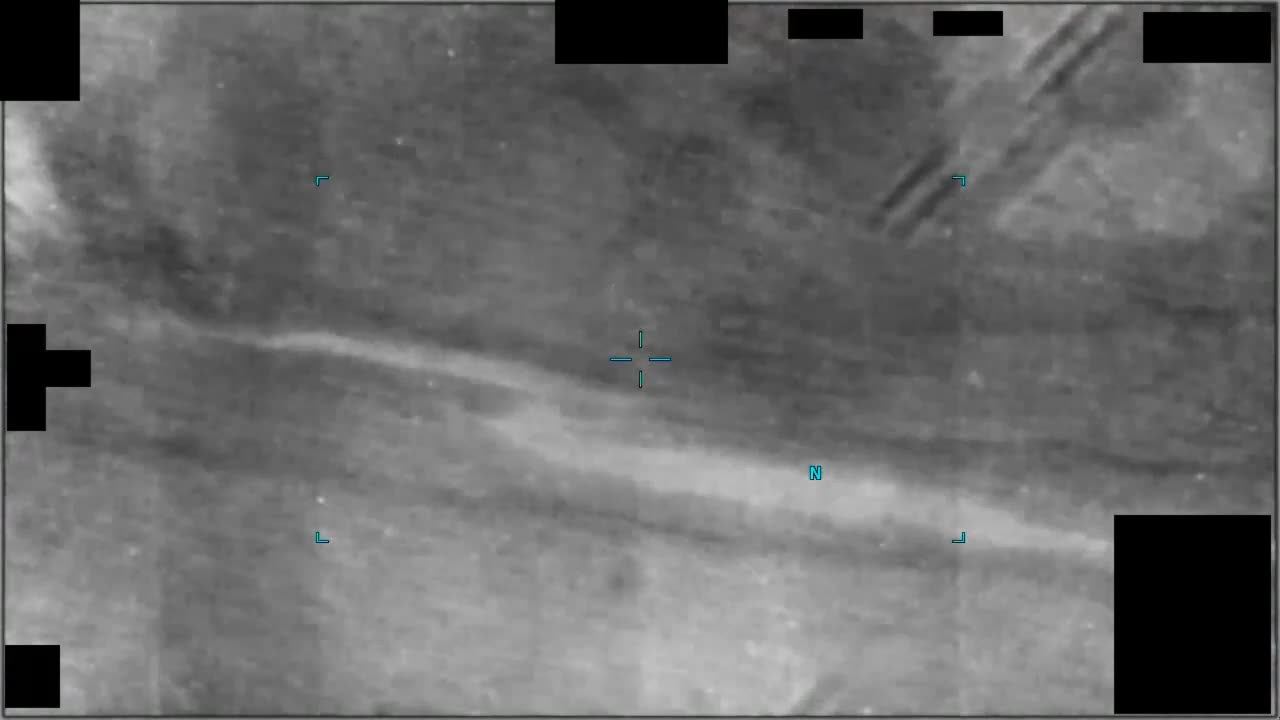
Hours earlier, the same person had been at a U.S. test site. Drone tests were scheduled. Airspace had been restricted. Then a bright light appeared over the horizon. The witness described the object as maintaining a fixed size and constant intensity of light for the entire observation. There was no growth, no dimming, no flicker. Just a steady, unexplained presence.
The witness was annoyed. The airspace closure was supposed to guarantee clean, controlled conditions for the drone work. The object violated that. A second person in another vehicle tried to spot it. They could not.
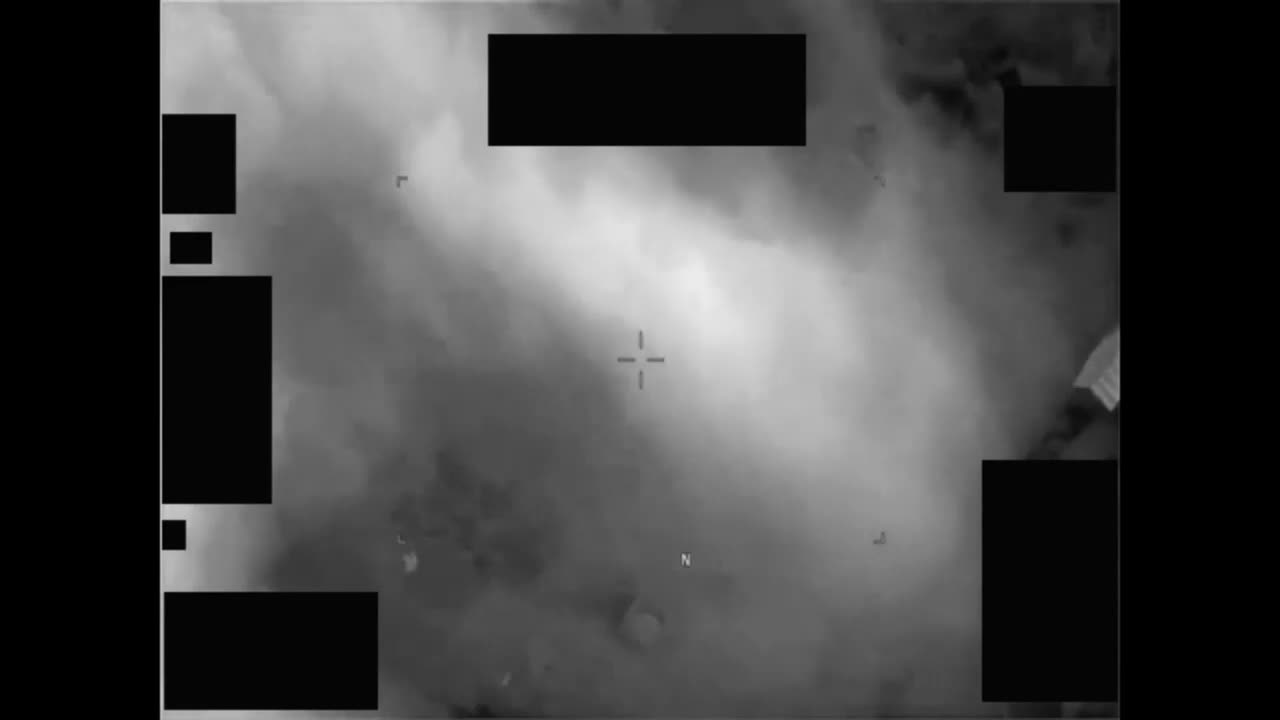
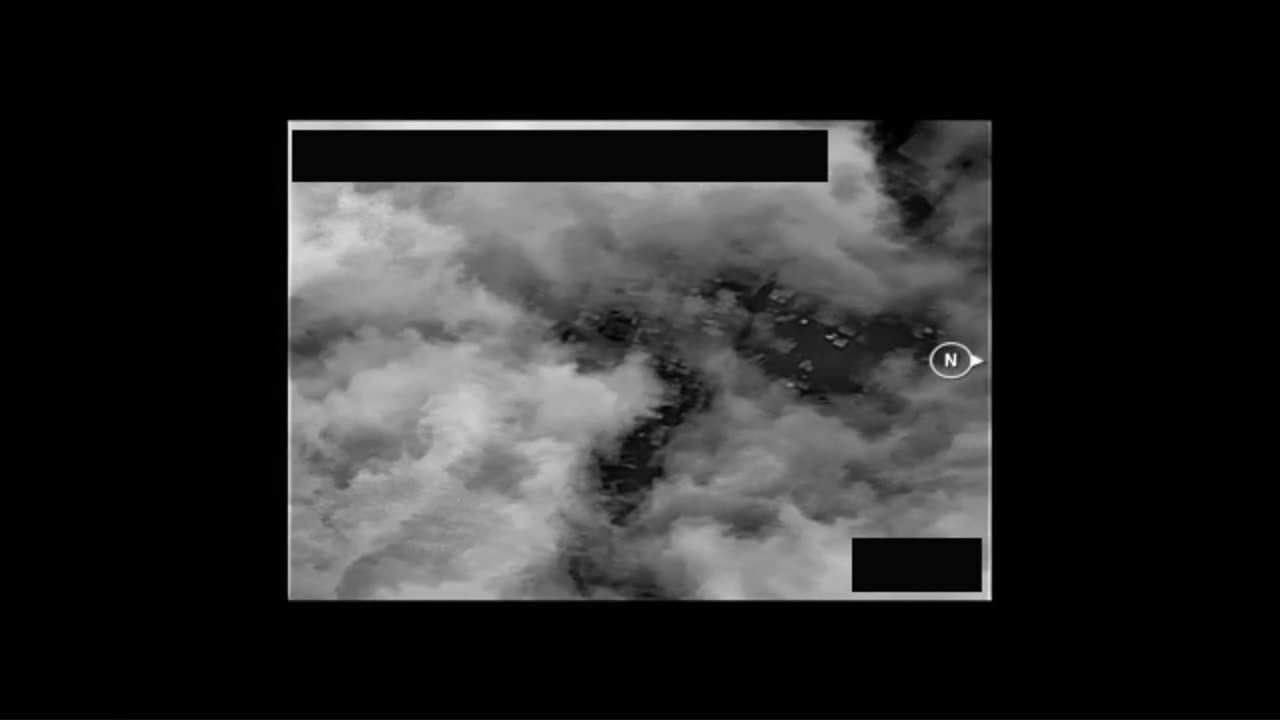
That account now sits in a declassified FBI document labeled “FBI September 2023 Sighting – Serial 5.” It is one piece of the PURSUE archive, a collection of U.S. government records concerning unidentified anomalous phenomena. The Department of War released the archive on May 8, 2026. The document itself is an FBI 302 form — the standard interview record federal agents use to capture witness statements in structured, admissible detail.
The witness reported two nights of weird dreams and trouble sleeping after the encounter. Whether that connects to the object or to the ordinary stress of an unusual day is unclear. The document does not speculate. It records what the witness said.
The PURSUE archive exists because the government has been forced to treat UAP reports as something other than jokes. For decades, sightings were dismissed or buried. Pilots, radar operators, and military personnel who spoke up risked their careers. That changed slowly, then in bursts. The Pentagon established the All-domain Anomaly Resolution Office. Congress held hearings. Witnesses testified under oath about objects that moved in ways no known aircraft can.
This particular sighting happened at a test site. Test sites are controlled environments. Airspace is monitored. Personnel are cleared. The presence of a drone program means the site already deals with advanced, non-standard aircraft. Whatever the witness saw, it was not a drone. The drones were the reason the witness was there. The object was the interruption.
The FBI 302 format matters. It is not a casual memo or a press release. Agents are trained to extract precise, chronological accounts. They ask follow-up questions. They note inconsistencies. The fact that a 302 exists for this sighting means someone in the bureau judged the report credible enough to document formally.
The witness described the object as a bright light over the horizon. That is the most common descriptor in UAP reports — light, not metal. Objects that appear as lights do not trigger the same instinctive skepticism as structured craft. A light could be a star, a satellite, a flare. But stars do not hover at test sites during restricted airspace operations. Satellites move. Flares change brightness and fade. This light stayed the same.
The Department of War’s role in releasing the archive is unusual. The department was dissolved in 1947 and replaced by the Department of Defense. Its name on a 2026 document release signals that the government is treating these records with the gravity of historical, national-security material. The PURSUE archive is not a leak. It is a formal declassification.
Two nights of bad sleep. A dead television. A bright light that held its place. The witness went to work, saw something, and filed a report. The FBI wrote it down. Years later, the government let the public read it. That is the shape of the event — not a conclusion, not a revelation, just a record that something happened.