The Department of War’s decision to declassify the PR47 report on a 2023 unresolved UAP encounter in the Indo-Pacific Command area means the public now knows the military tracked an unknown object for several minutes. What happens next is less clear.
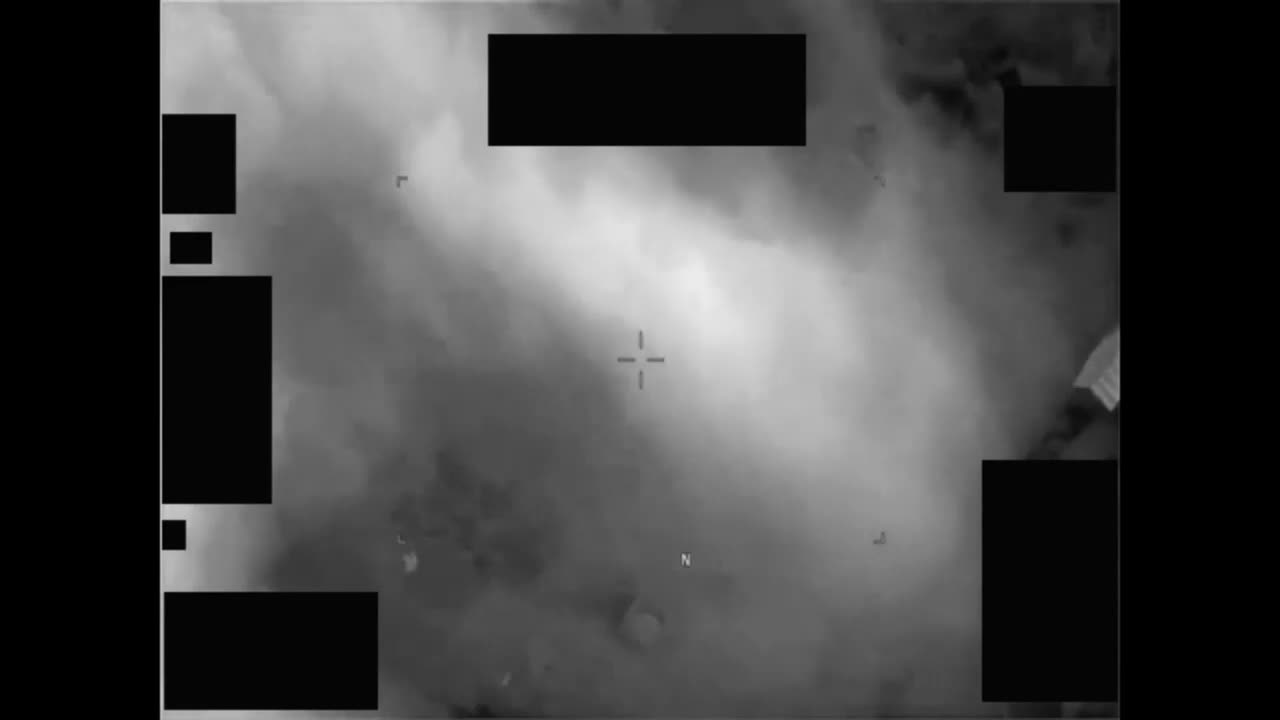
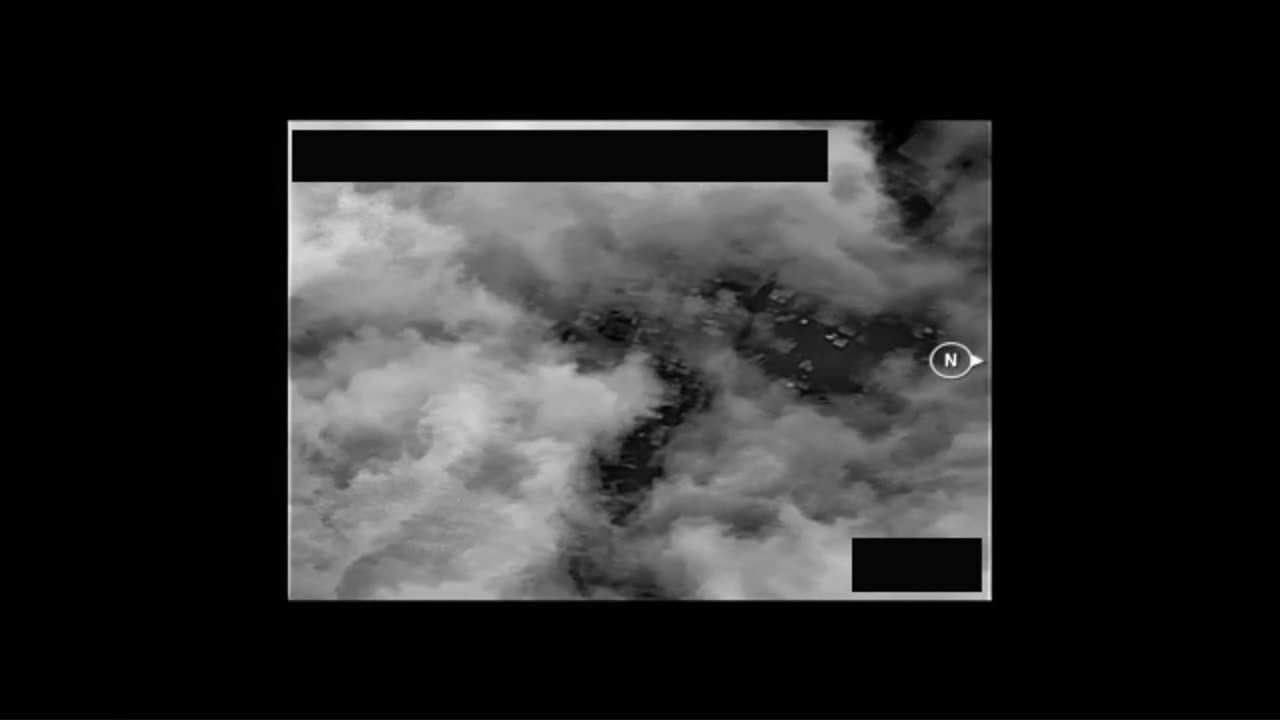
The report itself is thin on operational specifics. No video or imagery accompanied the release. The Department of War cited security concerns. The platform involved remains unnamed. So does the specific radar system that captured the data. Analysts have not identified a conventional explanation. The case stays open.
That unresolved status is the point. The report, designated PR47, lands under the PURSUE policy framework. That framework governs how the Department of Defense collects and analyzes UAP data. The All-domain Anomaly Resolution Office, or AARO, sits inside the Office of the Secretary of Defense. AARO’s job is to consolidate reports from across the military. PR47 is one file in a growing stack.
AARO must coordinate with service branches to document credible incidents. The INDOPACOM encounter is now part of that pipeline. The object exhibited flight characteristics that did not match known aircraft or environmental phenomena. That is the standard threshold for an unresolved designation. The report was generated in 2023 and classified as unresolved from the start.
For the public, the release signals a shift in how the military handles these events. The PURSUE policy was designed for transparency. PR47 is a test case. The document confirms that UAP incidents in the Indo-Pacific theater are being tracked and logged. It does not confirm what the object was. It confirms that the military does not know.
That lack of resolution has consequences. Without a conventional explanation, the incident remains in AARO’s active queue. Analysts will revisit the data. New sensor capabilities or intelligence may eventually provide an answer. Or the file will stay open indefinitely. The report does not set a timeline for resolution.
Operational security limits what the Department of War can share. The withheld video and imagery mean independent researchers have little to work with. The report’s value lies in its existence, not its content. It is a data point. A formal record of an encounter that the military could not explain.
The broader effect touches how the Pentagon communicates about UAP. PR47 is part of a transparency effort. But transparency has limits. The report names the region and the year. It does not name the platform or the sensor. That balance between disclosure and secrecy defines the current phase of UAP policy.
AARO’s mandate requires that all credible incidents be documented. PR47 is documented. The next step is analysis. If a conventional explanation emerges, the file will be reclassified. If not, it stays unresolved. The Department of War has not said when the next update might come.
For now, the INDOPACOM encounter is a known unknown. The military tracked an object it could not identify. It logged the data. It released the report. The public gets the file. The answers, if they exist, remain classified.