
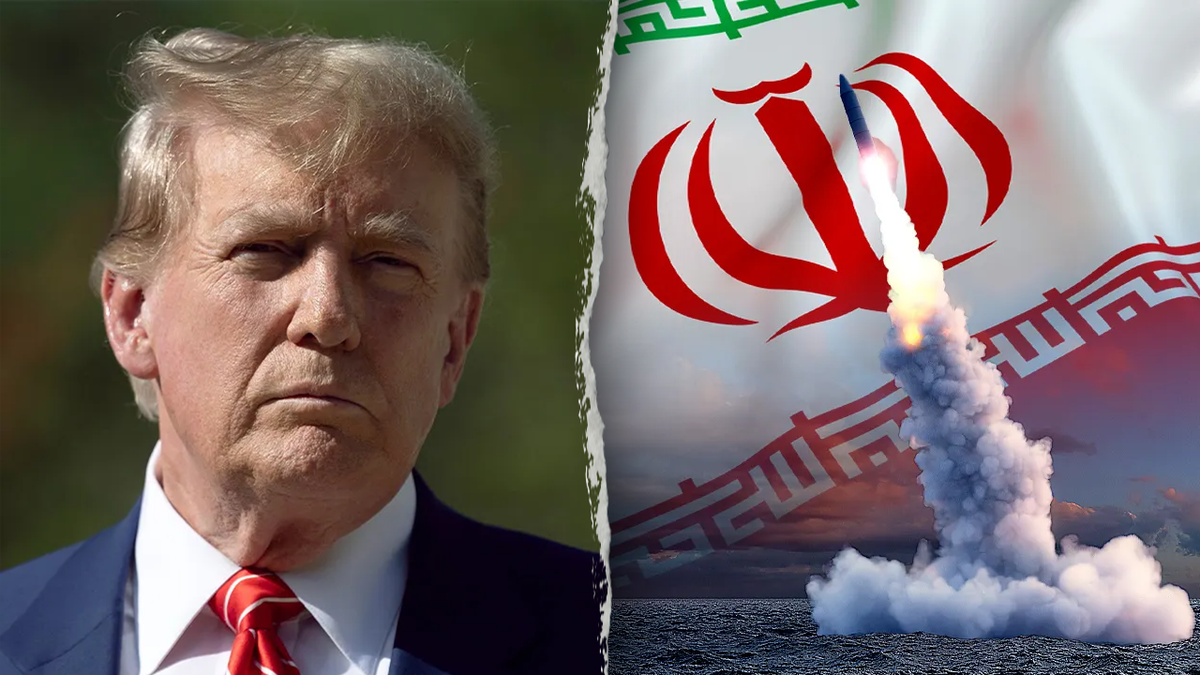
TEHRAN, June 9 — Iran’s launch of ballistic missiles at northern Israel on June 7 has shattered the relative calm that had prevailed since the two countries agreed to a ceasefire in April, sending shockwaves through global markets and prompting a swift response from President Trump. The attack, which reportedly targeted Israeli military interests, was successfully intercepted by the Israel Defense Forces, with no casualties reported on the Israeli side.
This is a significant development, as it marks the first direct military strike between the two countries since the ceasefire was put in place.
Background to the Conflict
The April ceasefire came after the Twelve-Day War in June 2025, a conflict that had kept Middle Eastern tensions elevated for nearly a year.
The war had a profound impact on the region, and the subsequent ceasefire was seen as a major breakthrough in efforts to reduce tensions. However, the latest developments suggest that the situation remains volatile.
The missile strikes were reportedly a response to Israeli military actions targeting Iranian interests in Beirut, highlighting the complex web of alliances and rivalries that underpin the conflict. President Trump has been working to contain the damage, urging both Tehran and Jerusalem to stand down and return to the negotiating table. A brief exchange of fire followed the initial attack, but hostilities have since paused.
Oil prices surged more than 4% intraday in the aftermath of the attack, reflecting the significant impact that the conflict could have on global energy markets.
Meanwhile, Bitcoin tumbled below $63,000, as investors sought safe-haven assets in response to the increased uncertainty. No casualties were reported on the Israeli side, thanks to the successful interception of the incoming missiles by the Israel Defense Forces.
The situation remains highly fluid, with President Trump working to broker a peaceful resolution to the conflict.
The President’s efforts to contain the damage and prevent further escalation are crucial, given the potential for the conflict to spread and involve other regional players. The fact that the ceasefire has been broken is a significant setback, and it will be important to watch how the situation develops in the coming days.
It’s a delicate balancing act, as the US seeks to maintain its relationships with both Israel and other regional allies, while also preventing Iran from exploiting the situation to its advantage.
The US has a strong interest in preventing the conflict from escalating, given the potential for it to disrupt global energy markets and undermine regional stability. The fact that the missile strikes were reportedly a response to Israeli military actions targeting Iranian interests in Beirut highlights the complex nature of the conflict. The situation is further complicated by the fact that Iran’s government has a history of hostile actions towards its neighbors and other regional players.
As the situation continues to unfold, it will be important to watch for any further escalation, as well as the response of other regional players. The US will likely continue to play a key role in efforts to broker a peaceful resolution to the conflict, and President Trump’s leadership will be critical in determining the outcome.
The coming days will be crucial in determining the trajectory of the conflict, and it will be important to watch for any developments that could impact the situation.