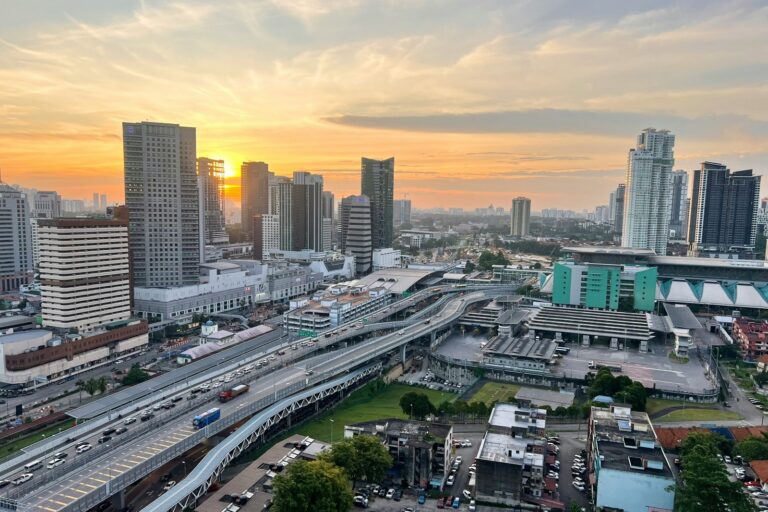
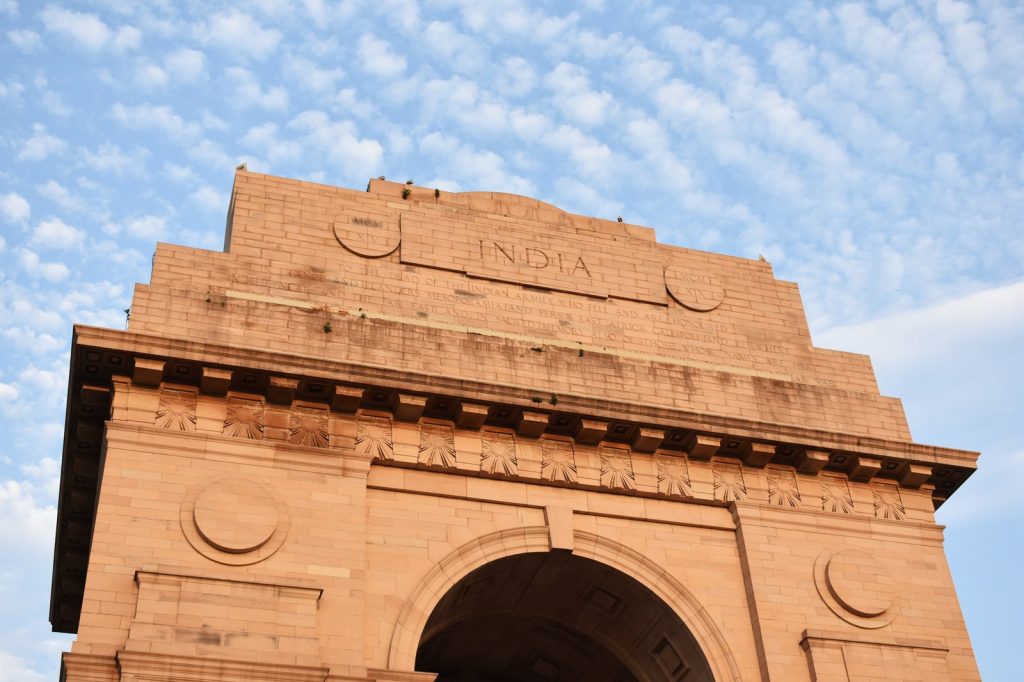
Delhi’s May ended with a paradox. The same month that forced residents to seek shade from a punishing sun also gave them something rare: air clean enough to breathe without a mask. The city recorded its hottest May in two years and, at the same time, its cleanest air in five years.
How that happened is a story of two forces pulling against each other. The heat is straightforward.
A sharp rise in temperature, building through the month, pushed the mercury to levels not seen since 2022. For a city of over 20 million people, that meant strain on power grids, water shortages, and health warnings. Heatstroke cases climbed.
The poor suffered most — those without air conditioning, those who work outdoors, those living in cramped, unventilated homes. The clean air is more complicated.
Delhi’s air is normally among the worst in the world. In winter, a thick brown smog settles over the city. Vehicles, coal plants, construction dust, and crop burning in neighboring states all feed the haze.
May broke that pattern. Why? The report offers no single cause, but the pattern fits known dynamics.
Hot air rises, lifting pollutants away from the ground. Stronger winds, common in pre-monsoon months, disperse what remains.
And lockdown-era habits — fewer cars on the road, less industrial activity — may have lingered in some sectors. Still, the improvement is a fragile one. Clean air in May does not guarantee clean air in November.
The factors that make Delhi’s winter air toxic — temperature inversions, stagnant winds, farm fires — have not changed. The city has not built a permanent solution.
It got a lucky month. For residents, the trade-off was real. They could open their windows without coughing.
They could walk in the evening. Children played outside. The quality of life improved, measurably.
But the same sun that cleared the air also made it dangerous to stay out long. You could breathe easy, but you could not stay cool.
The city’s weather has become a subject of close attention. Every change in temperature, every dip in the pollution index, is watched. This May gave them two extremes at once.
That is unusual. It is also a reminder of how little control anyone has over either.
Delhi cannot command the wind. It cannot order the sun to dim. What it can do — what it has not done reliably — is cut pollution at its source.
The clean air came from nature, not policy. Looking ahead, the next few months will test whether the city can hold onto any of this progress. The monsoon will bring relief from the heat but also its own problems: flooding, waterborne disease, and a temporary drop in air quality as rain washes dust from the sky.
After that, winter returns. And with it, the smog.
For now, Delhi has a data point. Hottest May in two years. Cleanest air in five.
Two records, one month. The question is whether the city can turn a seasonal fluke into a lasting trend.
That will take more than weather.
Sources
- Hottest in two years, cleanest air in five: Delhi's May of extremes
- Delhi’s ‘cleanest May in 5 years’ is a toxic illusion