The four astronauts strapped into the Orion spacecraft on Monday morning knew the stakes. If the life-support system fails, they die. If the navigation computer misaligns their return trajectory, they skip off the atmosphere and drift into deep space.
There is no rescue option 240,000 miles from home. That is what makes Artemis II different from every crewed mission flown since 1972.
For the first time in 52 years, human beings are leaving low-Earth orbit and heading for the Moon. They are not circling the planet at a safe 250 miles up. They are committing to a trajectory that will carry them around the far side of the Moon, out of radio contact with Mission Control for extended periods, dependent entirely on systems that have never been tested with people aboard.
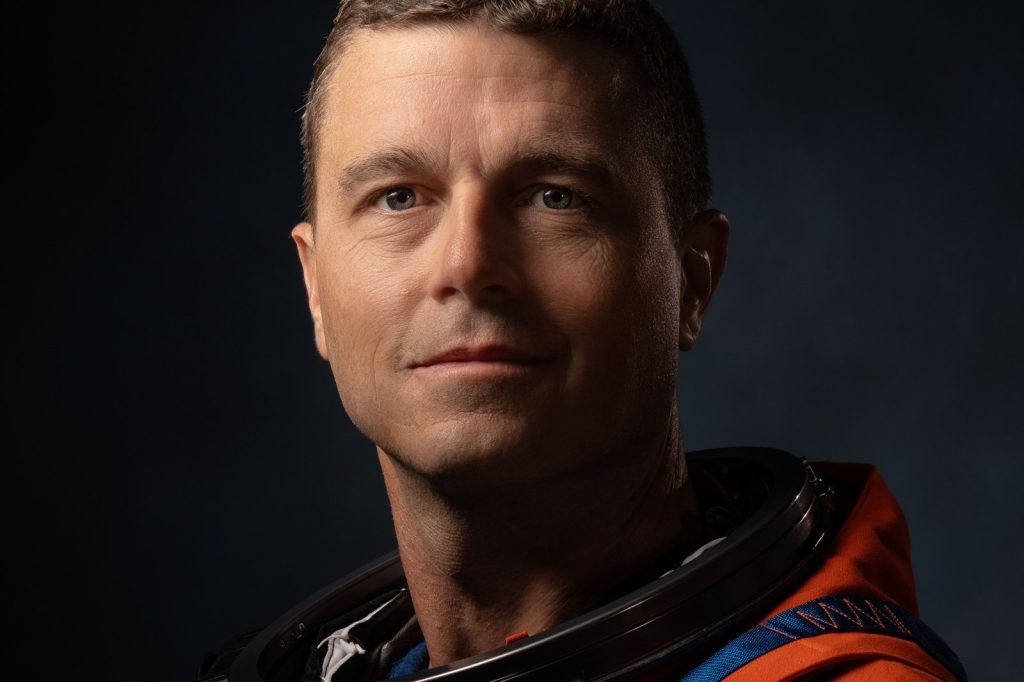
The crew — Commander Reid Wiseman, Pilot Victor Glover, mission specialists Christina Koch and Jeremy Hansen — launched from Kennedy Space Center in Florida. Hansen is from the Canadian Space Agency.
The other three are NASA astronauts. Glover is the first Black astronaut to fly on a lunar mission. Koch holds the record for the longest single spaceflight by a woman.
Hansen is making his first trip to space. They are flying inside Orion, a capsule that has completed exactly one flight with a crew: none. The only previous Orion flight, Artemis I in 2022, carried mannequins and sensors.
That spacecraft performed well. But hardware that works empty does not always work with four people breathing, sweating, moving, and generating heat.
The environmental control system must keep the cabin at a survivable temperature and pressure. The carbon dioxide scrubbers must keep the air breathable. The water system must function.
Every one of those systems is being tested at lunar distance for the first time. If something goes wrong, the abort systems that saved crews during Apollo are not available.
Orion has a launch abort tower that can pull the capsule away from a failing rocket, but that tower is jettisoned early in the ascent. Once the spacecraft is on its translunar trajectory, there is no quick return. The spacecraft must loop around the Moon and use that gravity to slingshot back toward Earth.
That takes about 10 days. The crew has to survive inside the capsule that long with no margin for major failures. The mission will not land on the Moon.
That task belongs to Artemis III, currently planned for 2028. But Artemis II must prove that the journey itself is survivable.
If this flight fails — if a critical system malfunctions and forces an abort, or worse — the Artemis program stalls. Congress will ask hard questions. The 2028 landing target slips.
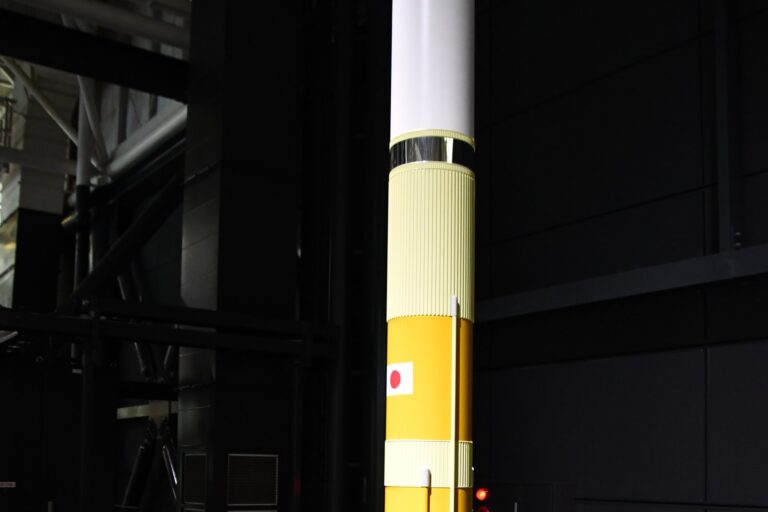
The entire architecture built around Orion and the Space Launch System rocket comes under scrutiny. That is why the launch drew crowds along Florida’s coast.
People understand what is at stake. They watched the rocket climb on a pillar of flame, carrying four people toward a destination no human has visited since Gene Cernan left his daughter’s initials in the lunar dust. It is not just a test flight.
It is a hinge point. If it succeeds, the path to the Moon and eventually Mars stays open. If it fails, that path closes for another generation.
Early in the flight, Orion sent back images of Earth receding behind it. The crew saw the planet shrink to a blue marble against black.
That view has not been seen by human eyes since 1972. The astronauts are now committed to their trajectory. They are going around the Moon.
They are coming back. The next 10 days will decide whether the United States can truly return to deep space or whether the Apollo generation was the only one capable of doing it.