Yale researchers have stumbled onto something odd. The very fat long praised as heart-healthy — the kind in olive oil — appears to turbocharge pancreatic cancer in male mice. Meanwhile, fish oil cuts tumor growth roughly in half. Same calories. Same mice. Only the fat source changed.
This is not a dietary recommendation. It is not a reason to dump your olive oil. It is a clue, and a complicated one, about how the machinery of cell death might be hijacked by something as ordinary as dinner.
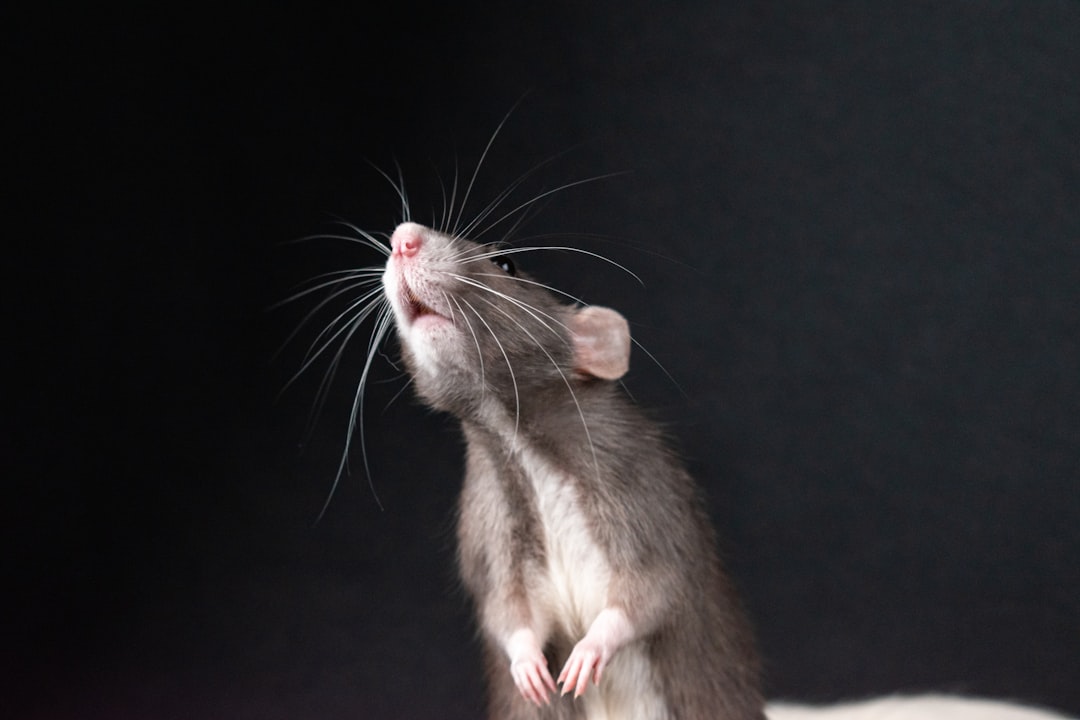
The study, published in the journal Cancer Discovery, tested high-fat diets in mice genetically prone to pancreatic ductal adenocarcinoma — the most common and deadliest form of pancreatic cancer. The researchers kept total calories identical across all groups. The only variable was where the fat came from.
Oleic acid, the dominant fat in olive oil and a monounsaturated fat, accelerated tumor growth significantly. Omega-3 fats from fish oil — polyunsaturated — cut disease development by about half.
The mechanism the team proposes centers on ferroptosis. That is a recently identified form of cell death triggered by lipid oxidation — essentially, fats rusting inside cells. Polyunsaturated omega-3s oxidize easily. They push malignant cells toward that rust-driven death. Monounsaturated fats resist oxidation. They may shield cancer cells instead.
If that holds, it flips an old assumption. For decades, dietary fat was treated as a single problem: too much is bad. This work suggests the type matters as much as the amount, at least in mice.
But here is where the story gets genuinely strange. The effect was pronounced in male mice. In females, it was largely absent. The Yale team has no clear explanation yet. Sex hormones? Gut microbes? Something else entirely? The study does not say. It simply reports the data and moves on.
Pancreatic cancer is among the hardest cancers to treat. It is often caught late. Five-year survival rates hover in the single digits. Anything that might slow its development — or accelerate it — is worth knowing.
The work has not been replicated in humans. That is a critical caveat. Mouse studies are a starting line, not a finish. Diet is messy. People do not eat isolated fats. They eat meals. They eat patterns. And human metabolism differs from mouse metabolism in ways that matter.
Still, the finding arrives at a moment of rising interest in how specific nutrients interact with specific disease pathways. The old model — eat less fat, period — has given way to a more granular view. Some fats protect the heart. Some may hurt. The Yale study suggests the same could be true for cancer.
The researchers do not argue anyone should stop eating olive oil. The Mediterranean diet, rich in olive oil, is consistently linked to lower rates of heart disease and some cancers. The study does not contradict that. It adds a layer of complexity. It says context matters. It says the effect of a fat may depend on the disease, the sex of the patient, and the genetic background of the tumor.
Patients should consult their doctors for personalized advice on diet and nutrition. That is the official line from Yale, and it is the only responsible one. No sweeping conclusions. No dietary revolutions. Just a single, careful study pointing at a mechanism worth investigating further.
For now, the takeaway is narrow. The fat in your food does more than store calories. It interacts with the biology of disease in ways scientists are only beginning to map. This study is one small piece of that map. It raises more questions than it answers. That is how science works.