
“Anybody that tells you that’s a safe thing to do does not understand the risks,” says Paul Sean Hill, a former NASA director of mission operations. He is talking about Artemis II, and he is one of the people who decided it should fly.
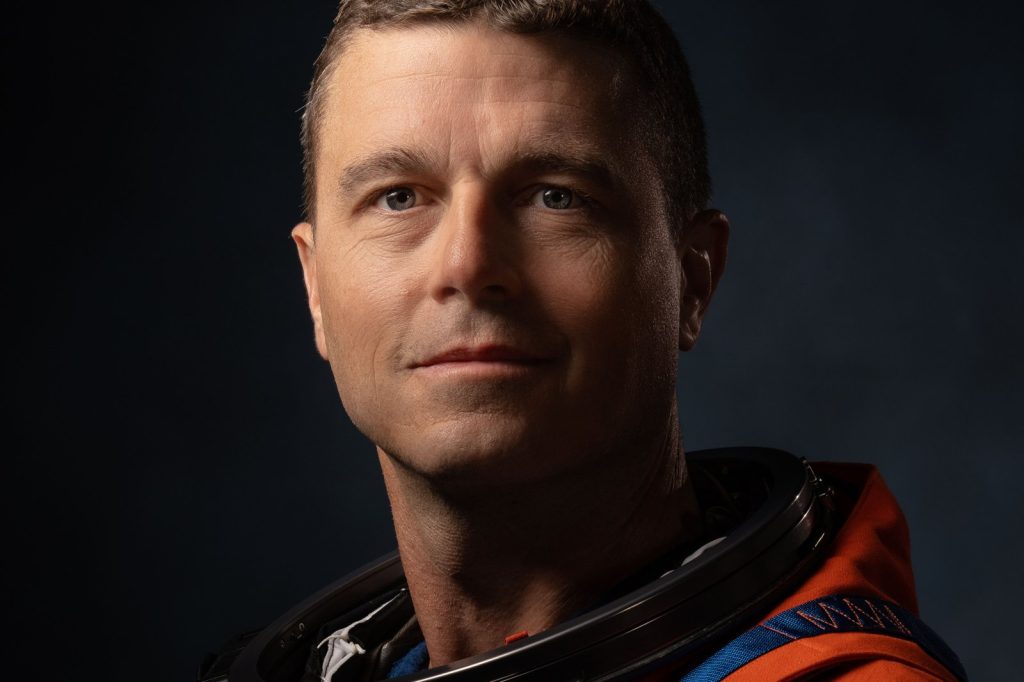
On April 1, Reid Wiseman, Victor Glover, Christina Koch and Jeremy Hansen rode a rocket off the pad toward the Moon. Planetary Society reporting describes the launch as a controlled eight-minute explosion with the power of a small nuclear bomb. Over the next nine days the crew will cover hundreds of thousands of miles of vacuum.
What makes this flight different
NASA has not flown anything like it in over 50 years. It is the first Artemis flight with people aboard. The Orion capsule and its rocket have flown together just once, and on that trip Orion’s life support system was not fully installed.
Distance is the other problem. The crew will travel roughly 1,000 times farther than astronauts on the International Space Station, who can be on the ground within hours if something goes wrong. For most of this flight that option does not exist. At certain points the crew will be days, possibly more than a week, from home.
Hill, who served as lead Shuttle flight director when NASA returned to flight after the Columbia tragedy, says the agency does not sort missions into safe and unsafe. It weighs each danger and decides how much to spend addressing it. NASA manages risk instead of promising safety. “When we’re finished, it’s still going to be scary,” Hill said.
The heatshield problem
On April 24, 2024, Hill walked into a room of NASA engineers fairly sure Artemis II had a big problem.
The uncrewed Artemis I flight had gone well overall. The rocket performed almost exactly as expected and Orion came home in one piece. Up close, though, the capsule showed a flaw: chunks of its heatshield had broken off during reentry, where the shield faces heat from a return at around 40,000 kilometers per hour (25,000 miles per hour). A similar shield was already installed on the capsule for Artemis II.
NASA delayed the program and spent over a year hunting for the cause. Then it asked an independent team, chaired by Hill, to check the answer. “I was expecting to wire-brush them and tell them never was it going to work,” Hill said. “I happily was surprised they had a better story.”
The engineers’ explanation was that the shield was not porous enough. As it heated, it released gas, and when the gas could not reach the surface, pressure built until the shield cracked. A steeper path on reentry avoids the heating that causes this, and with that change Orion can fly as-is.
Some outsiders, including several former astronauts, first warned that the plan fell short. Hill says they lacked the full picture. It took his own experts weeks to grasp the problem, even with NASA engineers helping. This January two worried former astronauts sat down with his team and agency engineers and afterward appeared to accept the decision. Francesco Panerai, an aerospace engineering professor at the University of Illinois Urbana-Champaign who has worked on heat protection at NASA, reached the same view. “That’s what the data say,” he said. “It can be flown safe, within acceptable risks.”
Built-in margins
NASA says it designs for the unexpected. The Artemis II spacesuits should keep astronauts alive for up to six days in an emergency. Orion carries more batteries, parachutes and solar panels than it needs, and its software runs on four identical flight computers.
The trajectory itself is a safeguard. If Orion hits a snag after leaving for the Moon, the flight path is designed to bring it back to Earth anyway. The same plan saved the crew of Apollo 13.
Crewed flights on unproven hardware are not new. Astronauts rode the first Space Shuttle launch. Apollo crews flew on the third Saturn V, which had engine trouble on its previous uncrewed flight. Artemis I turned up problems with Orion’s heatshield, batteries and life support while the stakes were still low.
After sitting in on a Flight Readiness Review for Orion, Hill came away impressed. “It’s hard to imagine it’s not safer than, say, Apollo was,” he said.
Sources
Sources
- What's keeping the Artemis astronauts safe? – The Planetary Society
- Artemis II: NASA’s First Crewed Lunar Flyby in 50 Years – NASA




