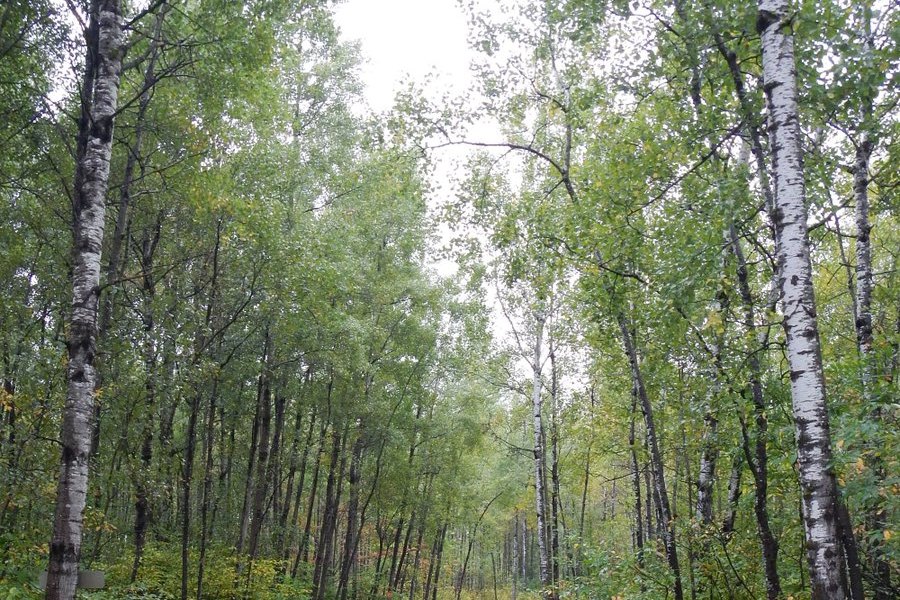
TAYLOR COUNTY, November 24, 2026 — A Canadian firm is one step closer to drilling for copper and gold in a U.S. national forest, advancing a plan that pits economic opportunity against environmental and cultural concerns.
Copper and Gold Exploration Advances
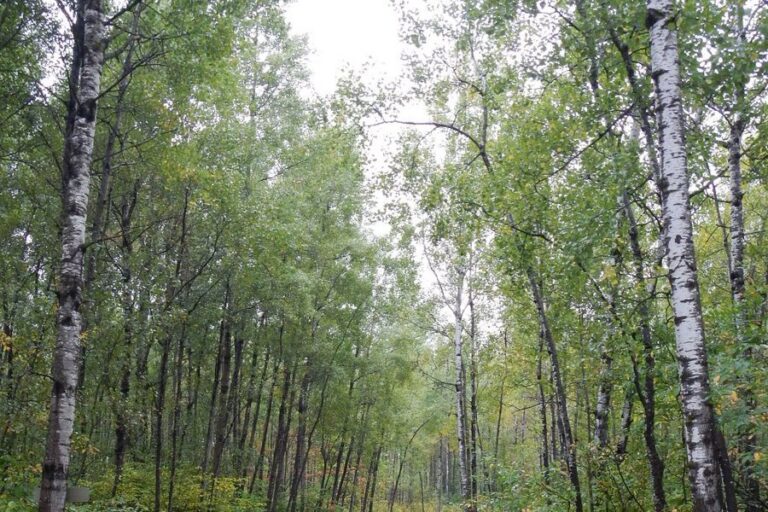
The U.S. Forest Service has issued a draft decision clearing the way for GreenLight Metals, operating as GreenLight Wisconsin, to expand its drilling operations on the Bend deposit in the Chequamegon-Nicolet National Forest. The company is seeking a prospecting permit from the federal Bureau of Land Management (BLM) for federally owned minerals in the area.
The plan involves drilling 25 holes up to 30,000 feet deep. The Bend deposit holds approximately 4.2 million tons of ore containing primarily copper-bearing sulfide minerals and gold. The expanded drilling would occur on less than eight acres and affect about three acres of wetlands. The company currently leases minerals from the Soo Line Railroad and drills on 40 acres.
Economic and Environmental Assessments
The Forest Service and BLM conducted a joint environmental assessment of the project. Steve Kuennen, acting forest supervisor for the Chequamegon-Nicolet National Forest, stated the proposed activities “will not have a reasonably foreseeable significant impact on the quality of the human environment.” The agency is requiring any drilling within wetlands to occur only when the ground is frozen.
The project is expected to cost over $2 million, according to Steve Donohue, vice president of GreenLight Wisconsin. He said the drilling is necessary to gather more data for a detailed economic assessment on the potential viability of developing a mining operation. “So we can do a more detailed economic assessment on the potential viability of that resource eventually being developed into a mining operation,” Donohue said.
Opposition Over Sulfide Mining Risks
Environmental and tribal advocates argue the review fails to adequately protect the forest and cultural resources. Dave Blouin, mining committee chair with the Sierra Club’s Wisconsin chapter, said the assessment relies on outdated data and dismisses concerns about sulfide cuttings disposal. “It dismissed all our concerns about impacts to wetlands and old-growth forest, road building and rutting in the forest and the wetlands, and how they handle sulfide cuttings disposal,” Blouin said.
Sulfide cuttings raise concerns about acid mine drainage, which forms when sulfide minerals react with air and water to create sulfuric acid. The Forest Service stated the quantities of cuttings would be small and there is no evidence of previous acid drainage from prospecting at the site, adding that the project would minimize effects on groundwater.
Tribal Concerns and Cultural Heritage
The Great Lakes Indian Fish and Wildlife Commission, which represents 11 Ojibwe tribes and their treaty rights, has also raised concerns. John Coleman, the commission’s environmental section leader, said he is disappointed the company was not required to drill on frozen ground for the entire project. “Frozen ground conditions would both reduce the chances of soil erosion, but also protect any archeological items,” Coleman said.
The Forest Service identified three known cultural sites that could be affected, including the Big and Little Indian Farms, a historic tribal village listed on the National Register of Historic Places. The agency’s analysis found the drilling would not affect the sites, but tribal consultation is ongoing. Last year, the Lac du Flambeau Band of Lake Superior Chippewa filed a lawsuit stating a nearby burial site is located within the Bend deposit.
Next Steps for the Project
Any potential mine remains years away; the current phase is exploration to assess the economic viability of the deposit. A BLM spokesperson indicated the agency may issue a final permit decision by February after its review is complete.
Sources
- Sand mining
- Mining company close to securing a prospecting permit to drill in northern Wisconsin
- Marquette competes in High School Bowl
- Deep-sea mining auctions spark environmental concerns in American Samoa and Northern Mariana Islands
Photo: US Forest Service (Public domain)