CONSTANȚA, November 21, 2026 — Archaeologists in Constanța have opened a sealed Roman sarcophagus that held the remains of a toddler buried with clay toys, protective amulets and flower garlands. The 1,800-year-old grave, uncovered during construction work, offers a rare, intact look at how a Roman family mourned a very young child.
A sealed tomb on the edge of Tomis
The stone sarcophagus was spotted on October 22 during excavations in the city’s Flămânda area, ahead of a private residential build. Archaeologists Constantin Băjenaru and Cătălin Nopcea unearthed it and moved the find to the Museum of National History and Archaeology Constanța (MINAC). Conservators opened the limestone lid, secured with lead clamps and waterproof mortar, on October 27. Inside sat a nail‑free wooden coffin, a sign of careful, non‑violent burial practice. The grave dates to the second‑third centuries AD and sits near an important ancient road on the northern edge of the Tomis necropolis, placing the child in a prominent cemetery of the Roman city.
What the burial goods tell us about mourning
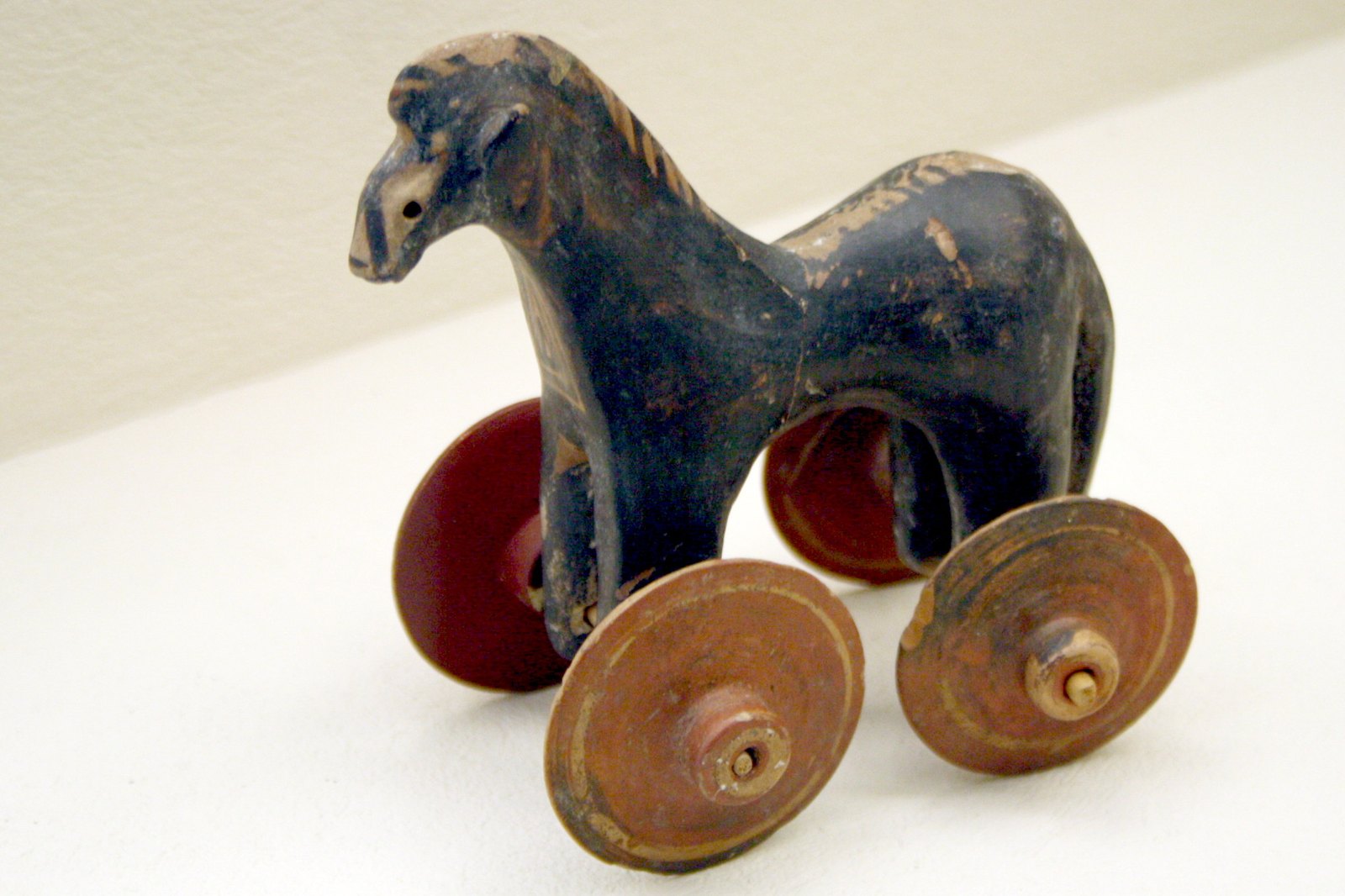
Inside the coffin, the child lay surrounded by objects of daily life and ritual protection. Archaeologists recovered a clay rooster and a small horse on wheels, both bearing traces of paint, a bone button, two bronze bracelets, a piece of gold foil engraved with magical symbols and a pair of bronze bullae — amulets Roman children wore to ward off evil spirits. Perhaps most striking were the fragile organic remains: plant stems, folded bundles of plants and fabric strung onto a wooden support, and a piece of cord that may have been used to pull the wheeled toy horse. These garlands and toys reflect a ritualized mourning that sought to comfort the child in the afterlife, a practice documented in other Roman burials of infants and children. The Ministry of Culture noted that the sealed tomb preserved materials that ordinarily degrade, turning an archaeological discovery into an encounter with the everyday life of people in the province.
Age, health and the fragility of early life
The child’s skeleton measured approximately 63 centimetres, suggesting an age between one and three years at death. The remains were preserved in good condition, and numerous locks of hair were found in the cranial area. Skeletal analyses from across the Roman world consistently show that many children died before age three, underscoring how fragile early life was even during the relative stability of the Pax Romana. This burial, dated to that same period, puts a single, tangible face to that broad demographic reality.
Context within the Tomis necropolis
Tomis, modern Constanța, was a significant Roman city on the western Black Sea coast. The necropolis’s northern edge, where this sarcophagus lay, bordered a major road, a location that typically signalled status or at least formal recognition within the urban community. The nail‑free wooden coffin inside the stone sarcophagus points to a burial carried out with deliberation and resources, not a hasty or casual interment. The combination of imported bronze amulets, locally made clay toys and the careful sealing of the tomb suggests a family able to observe the full suite of protective and affectionate rites for a child who did not survive infancy.
What the find adds to the picture of Roman family life
The discovery illustrates how Roman mourning rites for children blended practical care — preserving the body in a sealed, lead‑clamped sarcophagus — with symbolic gestures meant to accompany the dead. The toys and garlands are not unique in the Roman record, but their survival together in an unopened tomb is. They show that the emotional investment in young children, and the ritual machinery to express it, were real and structured parts of provincial Roman life. The Ministry of Culture’s statement described the contents as details that transform an archaeological discovery into an encounter with the everyday life of people in the empire.
Sources
- 1,800-year-old Roman toddler’s grave found frozen in time — and it still had toys inside
- Roman Empire
- Ancient DNA Reveals What Actually Happened to Ordinary People After the Western Roman Empire Fell
- Ancient cremated remains reveal migrants from across the Roman Empire in Roman Britain | Archaeology News Online Magazine
- A Roman Cup and Hundreds of Other Treasures Unearthed in This 2,000-Year-Old Tomb Reveal the Rich Exchange Network of an Ancient Asian Empire
- Pagan temple found in Bulgaria remained active into the 5th century
Photo: Carole Raddato from FRANKFURT, Germany (CC BY-SA 2.0)