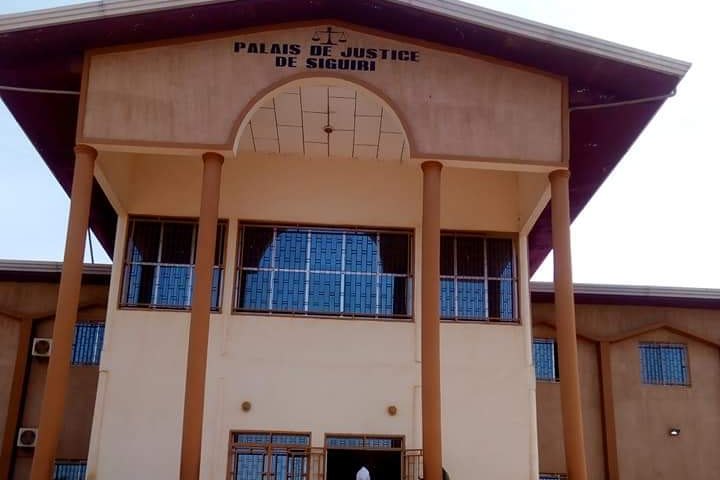
CONAKRY, November 17, 2026 — A court in Guinea sentenced 22 former local officials and 202 miners to prison on Monday in a sweeping crackdown on illegal gold mining that has killed at least 10 people and displaced tens of thousands across the border into Mali. The verdicts came from the Court for the Repression of Economic and Financial Offenses in the capital, Conakry, targeting actors in Siguiri, a major gold-producing district near the Malian border.
Sentences and Fines
The 22 former administrators from Siguiri each received two-year prison terms and fines of 10 million Guinean francs, roughly $1,120, for complicity in environmental degradation and water pollution. The court acquitted them of bribery, illicit enrichment and money laundering charges. The 202 miners, most of them foreign nationals from Burkina Faso, Mali, Togo and other West African countries, were sentenced to three years in prison and a combined fine of 10 billion Guinean francs, about $1.1 million. The court also banned the foreign nationals from Guinean territory for 10 years.
The defendants were among more than 1,200 people arrested in Siguiri earlier this month. Special prosecutor Alphonse Charles Wright had sought 10-year sentences for the officials and three years for the miners; his office said it was satisfied with the ruling. Defence lawyer Abdourahmane Dabo said the defence would consult clients before deciding on an appeal. No appeal had been filed by Monday evening.
Deadly Clashes and Mass Displacement
The crackdown turned violent on November 11 in the Balato community of Siguiri, where clashes between security forces and miners erecting barricades killed 10 people and wounded 13, according to a government communiqué. Three military vehicles were set alight. The unrest followed a presidential decree on November 3 that dismissed the 22 officials for facilitating illegal gold panning and a ban on unregulated artisanal mining that took effect November 2.
The enforcement triggered a humanitarian wave across the region. Malian authorities say up to 160,000 miners and their families have fled into Mali, many crossing at the border town of Kourémalé. At least six women have given birth in Mali since the displacement began. The Alliance of Sahel States, meeting in Ouagadougou on November 12, recognised Guinea’s right to enforce its laws but voiced concern over the expulsions. A Malian security ministry official told AFP the new arrivals are vulnerable to recruitment by terrorist networks.
Refinery Launch and Revenue Strategy
The mining ban was announced a day after Guinea officially launched the Nimba Gold Refinery, the country’s first, with a declared annual processing capacity of 733 tonnes. That capacity far exceeds Guinea’s current annual gold output of roughly 72 tonnes. Tiffany Wognaih, a senior analyst at geopolitical risk advisory JS Held, said the refinery requires official gold supplies to flow through state channels. “If a lot of it is being exported out of the country through illegal means and channels, then you don’t have enough processing in the country or showing up on official export figures,” she said.
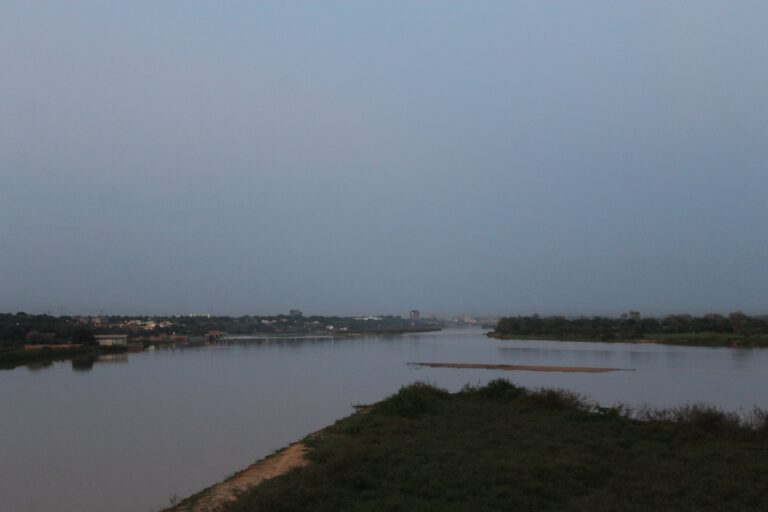
Unauthorized gold mining has been the livelihood of more than 300,000 people in Guinea, according to the U.N. Environment Program. The government says the crackdown aims to curb environmental damage, including farmland destruction by heavy machinery and river pollution from chemicals. The move mirrors a broader push to capture more of the resource value chain, following the start of shipments from the $20 billion Simandou iron ore project, which targets 120 million tonnes annually.
Sources
- Guinea sentences more than 200 people to prison in a crackdown on illegal gold mining – AOL
- Chaos as crackdown on illegal mining in Guinea causes wave of regional displacement – AOL
- Guinea Jails 22 Officials Over Gold Mining
Photo: Siguiri boy (CC BY-SA 4.0)