SpaceX plans to fly its massive Starship rocket from South Texas today, circling Earth and attempting a vertical landing at the same pad 22.5 hours later. The test marks a rapid advance for a vehicle Elon Musk hopes will one day carry astronauts to Mars, but it also sharpens a dilemma for NASA: the company intends to retire the Falcon 9 rocket that currently launches the only American spacecraft certified to carry NASA astronauts to orbit.
The Heavy-Lift Shift
Dragon capsules flying on Falcon 9 rockets are currently the only American vehicles ferrying NASA astronauts to and from the International Space Station. In September, NASA contracted SpaceX for three additional ISS flights, a deal that covers Dragon operations only through 2028 if missions fly at six-month intervals. The station itself is set to retire in 2030.
SpaceX has said it will stop flying Falcon 9 as it ramps up Starship. That creates a gap. Starship is not yet certified for crew, and no other American crew vehicle is operational. Caleb Henry, director of research at Quilty Space, noted that Dragon became the de facto way for astronauts to reach orbit because of its reliability. The relationship has flipped from 2008, when a NASA contract rescued a struggling SpaceX after multiple Falcon 1 failures. Musk told CBS in 2014 that the company was “running on fumes” before that award. Today, SpaceX revenue from Starlink subscriptions, roughly $12.8 billion through September, dwarfs the $2.1 billion from launch services, according to the company’s latest financial report. Starship is central to that newer, larger business.
Artemis Timeline and Lunar Base Plans
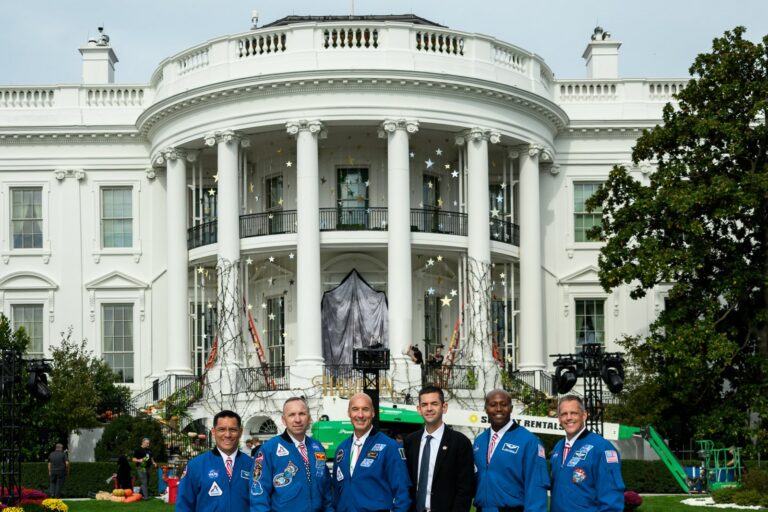
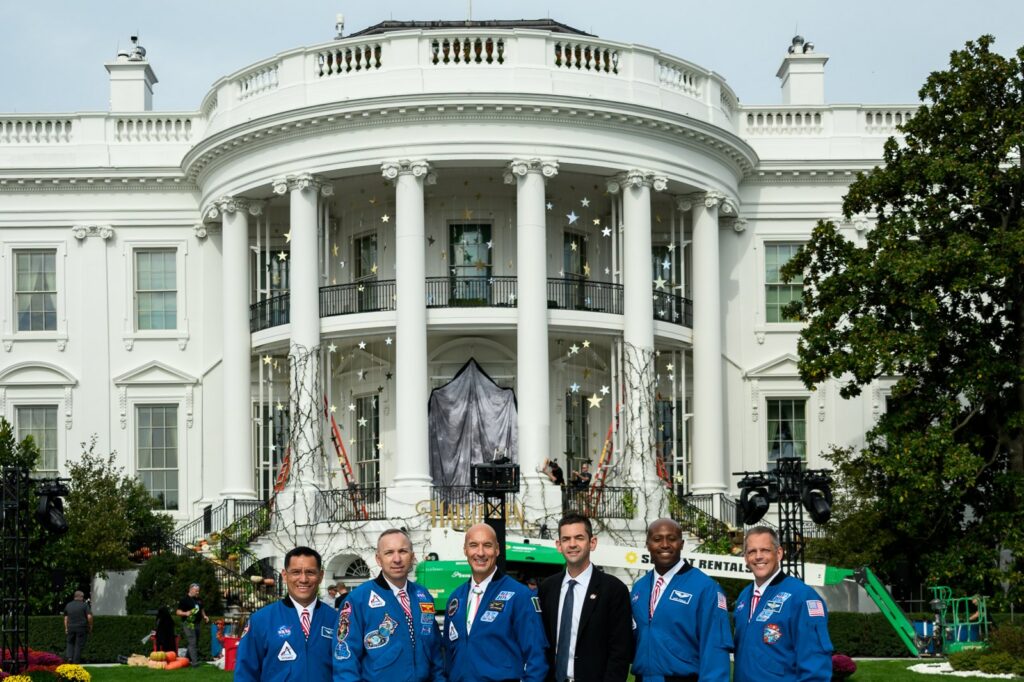
NASA’s Artemis program aims to return humans to the Moon in 2028 and establish a lunar base in the 2030s. Administrator Jared Isaacman said the new astronaut class could “walk on the moon, live and work at the moon base and help pioneer the systems and operations that will ultimately carry crews to Mars.”
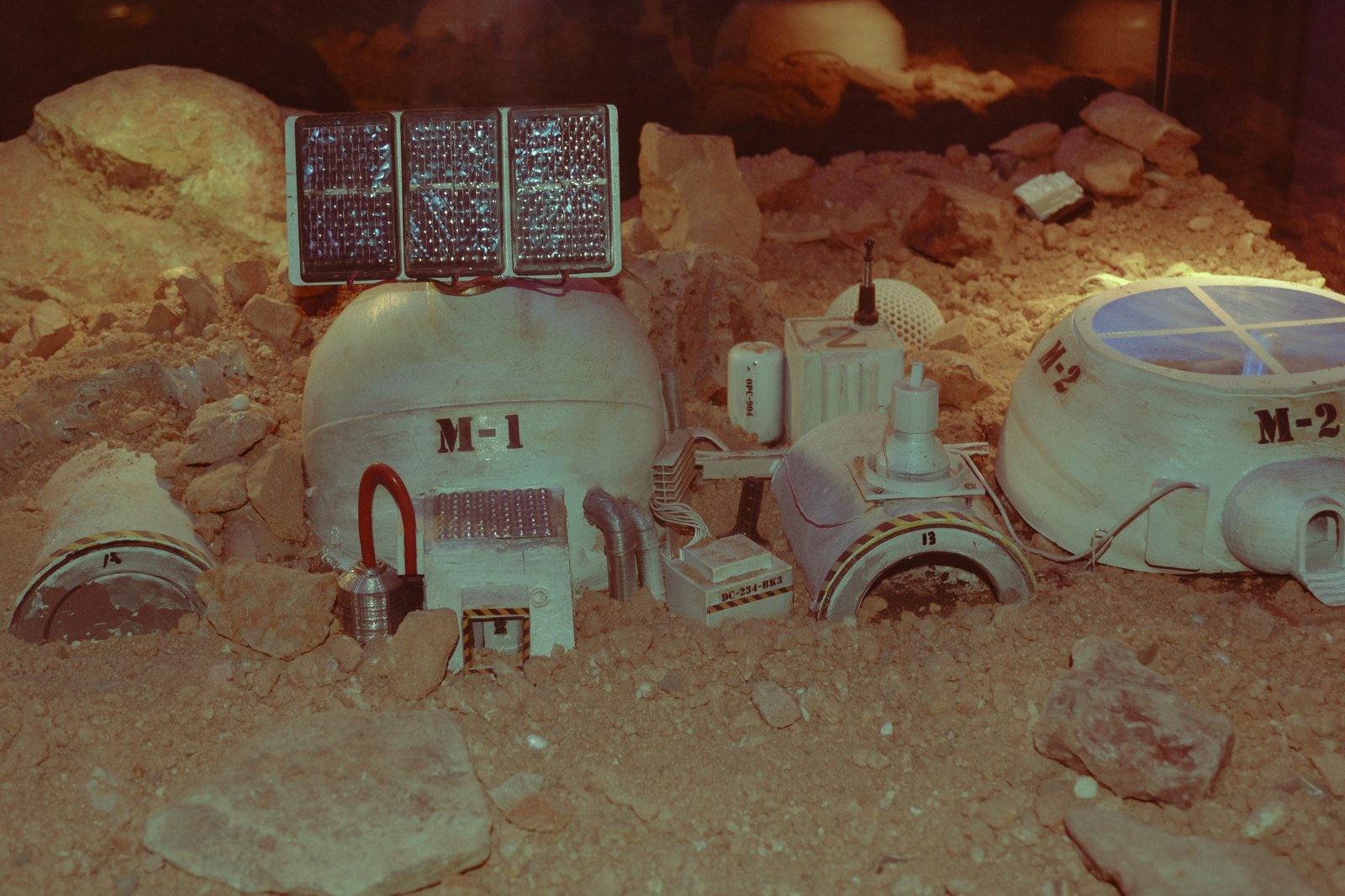
The agency is building for a sustained presence at the Moon’s South Pole, chosen for potential water ice deposits and near-continuous sunlight. At the MAX POWER expo at Kennedy Space Center this month, NASA announced a suite of awards and mission updates to expand Moon Base exploration, science, and infrastructure capabilities. “We are building the Moon Base mission by mission,” Isaacman said. “When our astronauts return to the Moon, they will arrive with the first elements of the Moon Base already waiting for them on the surface.”
Carlos García-Galán, manager of the Moon Base Program, said the agency has consolidated efforts into a streamlined program over the last eight months. New investments cover commercial robotic deliveries, a proposed nuclear-powered rover named PROMISE, launch and orbital transfer services, and surface infrastructure. NASA awarded contracts to Honeybee Robotics, a Blue Origin company, for energy storage; Redwire for power generation; and Yank Technologies for wireless power transfer, all supporting a Mini-Communications and Solar Tower. Six task orders under the VADR launch services contract went to Arrow Science and Technology, Blue Origin, and Impulse Space to integrate and transport Moon Base cargo using Orbital Transfer Vehicles as long-distance freight trucks.
Recruiting the Next Generation
NASA announced on November 7 it was recruiting its first new astronaut class since 2024. Applications close December 3, with selections expected by late 2027. The previous round two years ago drew more than 8,000 applicants; NASA chose 10, an acceptance rate below 0.125 percent. Before that, the agency had not hired for four years because the only available missions were a limited number of ISS trips.
Some of the new astronauts may never visit the station. After the ISS retires in 2030, NASA plans to send crews to commercial space stations that have yet to launch.
Commercial Partnerships Shaping Future Spaceflight
The transition to commercial destinations in low-Earth orbit runs parallel to the lunar campaign. NASA’s strategy relies on industry to build and operate the stations that will replace the ISS, while the agency focuses on deep space. The same commercial logic drives the Moon Base architecture: Orbital Transfer Vehicles and commercial landers will move cargo from Earth orbit to the lunar surface, with early missions designed to verify communications, navigation, and delivery capabilities before humans arrive.
Sources
- SpaceX's giant rocket may leave NASA in the dust
- NASA
- NASA Is Selecting Future Astronauts. Here’s How to Apply.
- The Presidential Prayer Team
- Forget Flag-Planting: NASA Is Building for a Long-Term Lunar Future
- The Hubble Space Telescope Is Sinking. NASA Is Looking for Ways to Keep It Afloat
Photo: Molly Riley (Public domain (US government work))