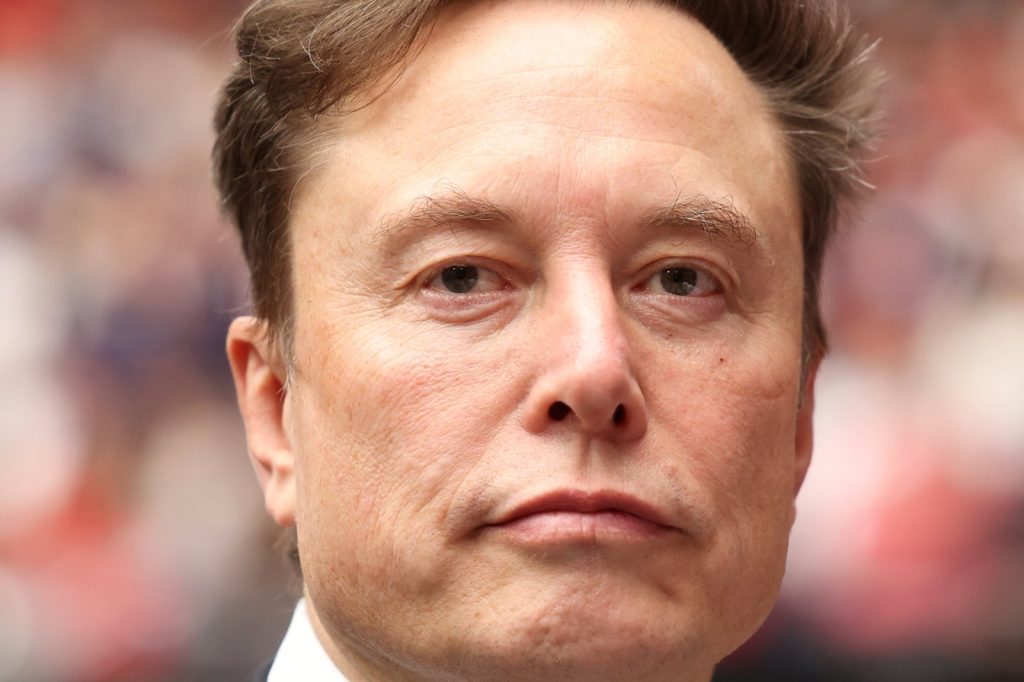
Elon Musk has challenged a NASA safety panel’s estimate that SpaceX’s Starship will require 22 launches to land astronauts on the Moon in 2028, claiming the actual number will be closer to 6 to 8.
Musk vs. NASA on Launch Count
The dispute arose after NASA’s Aerospace Safety Advisory Panel, during its quarterly public meeting, flagged the fueling process for SpaceX’s lunar lander as a major risk for Artemis IV. Panel member Charlie Precourt, a former NASA astronaut, stated that the latest estimate for the number of required launches is around 22, according to Ars Technica. Musk swiftly responded on X, dismissing this figure as “way too high” and asserting that the actual number will be more like 6 to 8.
Technical Differences in Starship and SLS Approaches
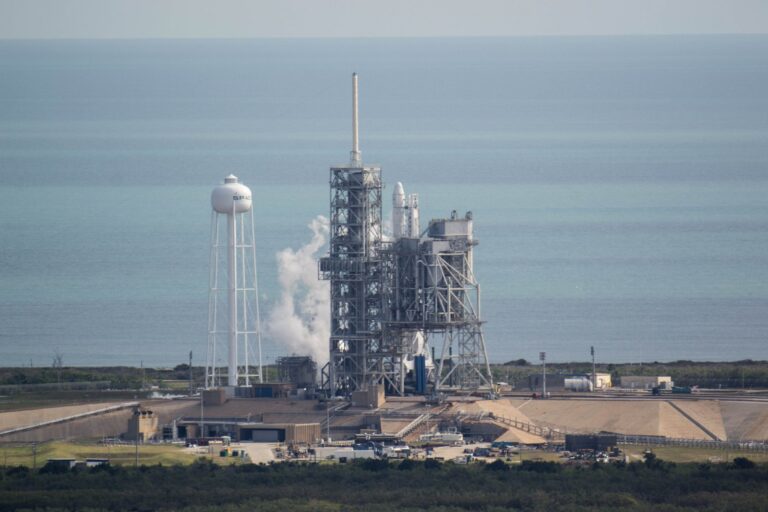
The core of the disagreement lies in the technical approach to refueling Starship for its lunar mission. Starship, designed to be a fully reusable launch system, burns nearly all its propellant reaching Earth orbit and requires a series of tanker flights to refill a depot in space before the lunar lander can depart for the Moon. Each tanker flight is a full Starship launch, which impacts the overall timeline, cost, and risk. NASA’s estimate appears to be based on current Starship capabilities, while Musk’s lower figure assumes future upgrades to the rocket, including the use of the V3 Starship, according to Teslarati.
Impact on Artemis IV Timeline
The number of launches directly affects the timeline for Artemis IV, planned to land a crew on the Moon in 2028. Ars Technica’s Eric Berger estimated that even if SpaceX achieves twice-weekly Starship launches by the end of 2027, completing 22 launches would take roughly three months. This extended timeline raises concerns about meeting the 2028 deadline, especially given the complexity of orbital refueling and the potential for delays.
Propellant Transfer Efficiency Debate
The efficiency of propellant transfer is a key factor in the launch count discrepancy. Starship stores its fuel and oxygen at extremely cold temperatures, leading to boil-off during orbit and losses during each transfer. NASA’s estimate likely accounts for these inefficiencies based on current capabilities, while Musk’s figure anticipates improvements in the upgraded V3 Starship. This difference in assumptions highlights the uncertainty surrounding Starship’s performance in deep space operations.
NASA’s Safety Concerns vs. SpaceX’s Optimism
NASA’s safety panel emphasizes the risks associated with multiple launches and refueling operations, particularly for a mission carrying astronauts. Precourt described Artemis IV as involving “a large number of firsts,” underscoring the challenges ahead. In contrast, Musk’s optimism reflects SpaceX’s rapid iteration and testing approach, which has historically led to breakthroughs but also failures. This clash of perspectives mirrors broader tensions between traditional aerospace practices and SpaceX’s disruptive methodology.
What’s Next for Artemis IV Planning
NASA is scheduled to provide a public update on its Artemis lunar plans on October 23, 2026, which will likely address the refueling flight count and its impact on the mission timeline. As Starship’s tanker campaign remains the primary schedule question for the 2028 landing, any changes to the Human Landing System (HLS) timeline or launch estimates will be closely watched. Meanwhile, SpaceX continues to test and upgrade Starship, aiming to demonstrate its capabilities in time for Artemis IV.
The debate between Musk and NASA underscores the complexities of deep space exploration and the challenges of balancing innovation with safety. As both sides work toward the 2028 Moon landing, the resolution of this launch count dispute will be a critical factor in the mission’s success.
Sources
- Musk disputes NASA safety panel's lunar launch estimates
- The Starship moon landing number NASA and Elon Musk can’t agree on
- Musk Says 6-8 Flights, NASA Panel Says 22
Photo: Gage Skidmore (CC BY-SA 4.0)