Japan’s most common post-quake fires are electrical, but new technology can cut power faster than humans by using vibration sensors and IEEE standards. In the 1995 Great Hanshin-Awaji Earthquake, 60% of fires with known causes were electrical, a pattern that repeated in the 2011 Great East Japan Earthquake.
The Physics of Automatic Shutoff
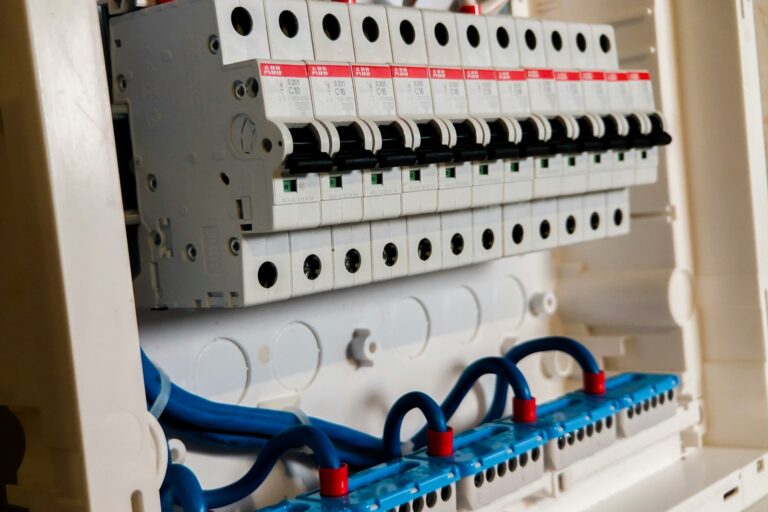
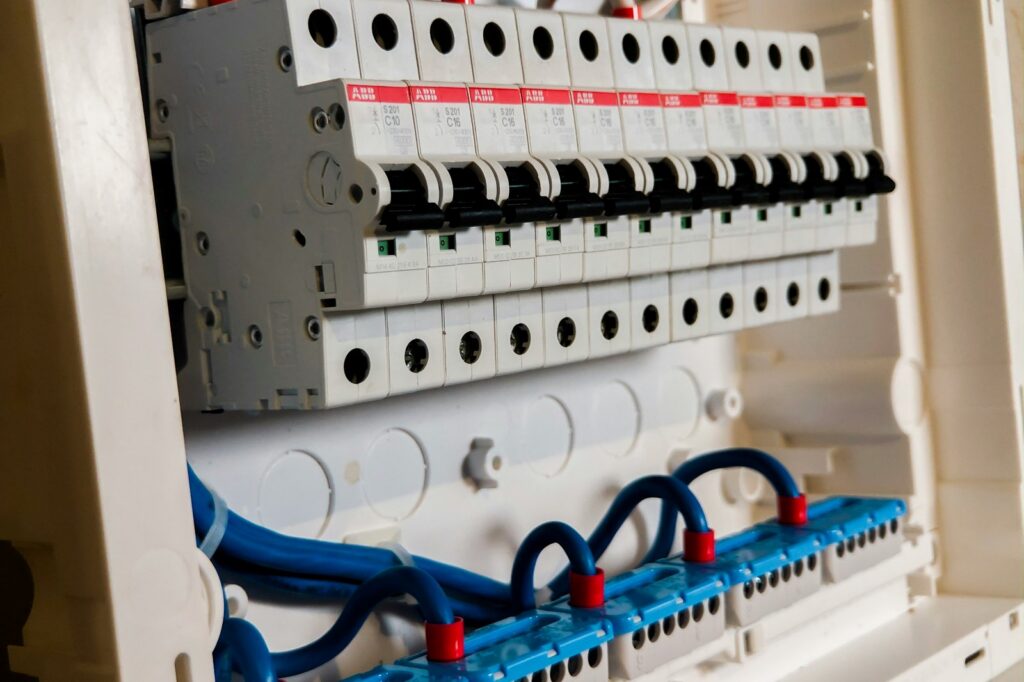
Seismic circuit breakers use accelerometers or tilt sensors to detect ground shaking at thresholds between 0.25g and 0.5g peak ground acceleration. When triggered, they cut power in less than one second. The mechanism targets the moment of power restoration, when fallen heat-generating appliances or damaged cords ignite flammable debris while residents have already evacuated. Gas meters automatically shut off during shaking, but standard distribution boards do not stop electricity unless someone manually flips the main breaker.
Three Types, Three Price Tiers
Some models include wireless alerts to notify homeowners when power is cut, and delayed auto-restart functions of 30–60 seconds after shaking stops to allow manual override and reduce false cuts.
Performance Data and False Triggers
Post-2011 studies show roughly 90% of breakers installed in high-risk zones functioned correctly during drills. However, false triggers from heavy trucks or similar vibrations remain a common complaint. The Great Hanshin-Awaji Earthquake’s electrical fires burned for an average of 4.2 hours before containment; seismic breakers could have reduced that window to under one hour. Japan’s Fire and Disaster Management Agency recommends the devices for wooden homes and apartment buildings, where electrical fires spread fastest.
IEEE 693 and the Certification Gap
The IEEE 693 standard, used mainly in the American continent for substation design, defines three seismic qualification levels: high at 0.5g zero-period acceleration, moderate at 0.25g, and low requiring no testing. Japan’s residential breakers often lack formal certification and use lower, less standardized triggers. The standard’s high design level of 0.5g aligns with Japan’s severe earthquake design spectra, but the residential market has not adopted equivalent rigor. California mandates seismic retrofitting rules for critical infrastructure, while Japan’s Building Standards Law does not require seismic breakers.
Subsidies Exist, Adoption Lags
What Comes Next
Development is moving toward AI-enhanced prediction and smart-grid integration to auto-restore power safely after shaking stops. The Great East Japan Earthquake’s electrical fires often ignited when residents manually reset breakers during restoration, a flaw automated systems are designed to address.
Sources
- Fires after an earthquake can be stopped by electricity. A review of seismic circuit breakers and how to tell if you need one|防災たろう
- IEEE 693
- S&P 500 Plunges, Wall Street Fears Circuit Breaker, Just One Day After Trump Celebrated Record Highs
Photo: Mark Kats / Unsplash (Unsplash License)