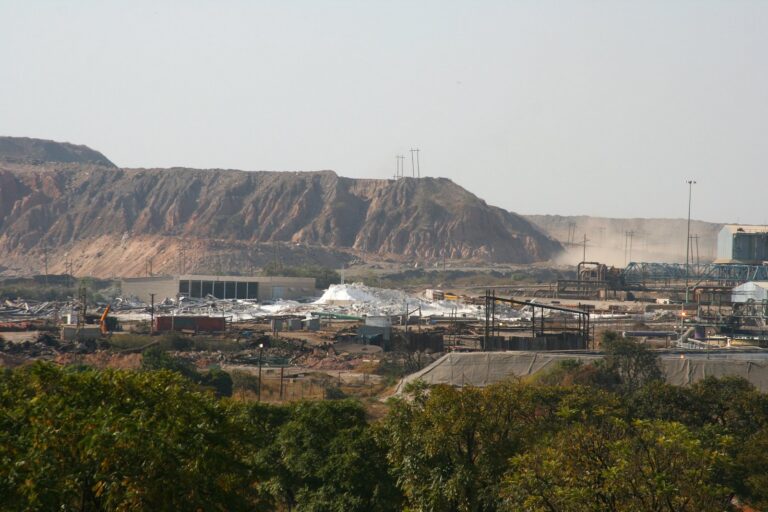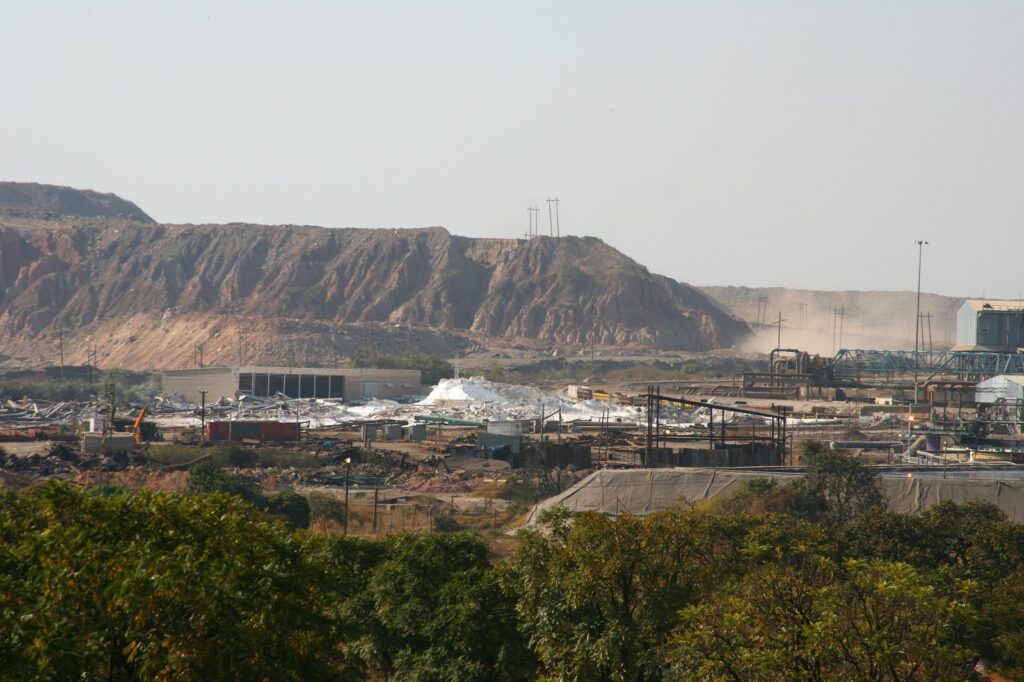
CHINGOLA, November 8, 2026 — Konkola Copper Mines has secured approval from its minority state shareholder and signed a US$498 million engineering contract with China NERIN Engineering to build Africa’s largest tailings leach plant at its Nchanga operations. The facility will reprocess 546 million tonnes of legacy waste grading 0.54% copper to produce roughly 70,000 tonnes of LME Grade A cathode annually without opening a new pit.
Project Structure and Financing
ZCCM Investments Holdings, which holds a 20.6% equity stake in KCM, approved the Nchanga Tailings Leach Plant in September 2026. KCM signed the EPC agreement with China NERIN Engineering on 17 September 2026, the company said. The controlling shareholder is CopperTech Metals, a US-domiciled entity established in 2026 and controlled by Vedanta Resources, which owns 79.4% of KCM. Data shows the project sits outside Vedanta’s initial US$1 billion reinvestment programme and will not require a capital call on ZCCM-IH; KCM will fund its equity contribution from internally generated resources, officials noted.
Technical Scope: SX-EW on a Massive Scale
The plant will apply solvent extraction and electrowinning (SX-EW) technology to the TD5 tailings dam, a deposit accumulated over decades of operations at Nchanga. Studies have confirmed a commercial recovery rate of 74% using this method. At full capacity, the facility targets approximately 70,000 tonnes per year of copper cathode. No new mining is required; the new plant will operate alongside the existing Nchanga TLP, effectively doubling down on secondary recovery rather than primary extraction.
Engineering Risks: Acid, Water and Stability
Engineers note that large-scale acid leach circuits introduce significant containment, corrosion and water balance challenges. The design requires stringent secondary bunding, corrosion-resistant materials and fire-safe layouts for the solvent extraction and electrowinning sections. Reprocessing legacy tailings also necessitates updated stability assessments of the existing tailings storage facility under altered pore pressures and solution cycling, a critical geotechnical consideration for the TD5 dam. China NERIN’s EPC role centralises design responsibility for HAZOP, constructability and operability reviews, streamlining process safety oversight.
Strategic Shift on the Copperbelt
The project signals a long-term shift toward higher metal recovery from legacy waste streams on the Zambian Copperbelt. KCM produces 2 million tonnes of copper ore per year and is now Zambia’s largest private sector employer with over 14,500 workers across Chingola, Chililabombwe, Kitwe and Nampundwe. By unlocking value from material already on the surface, the operation aligns with Zambia’s national target of 3 million tonnes of annual copper production while sidestepping the capital intensity and permitting timelines of greenfield expansion. Within the regional project pipeline, a US$498 million EPC at Nchanga marks a relative strengthening of Zambia’s position against neighbours such as the DRC and Chile for smelting and refining capacity.
Regulatory Oversight and ESG Exposure
ZCCM-IH’s 20.6% equity position means state-linked interests are directly exposed to the environmental and safety performance of the plant. That exposure typically tightens regulatory scrutiny on tailings management, process safety and water stewardship compared with purely private operations. The approval and EPC award set the stage for construction to begin under a framework that centralises technical accountability with China NERIN while keeping financial risk on KCM’s balance sheet.
Sources
- Konkola Copper Mines
- International Mining | Konkola’s Nchanga Tailings Leach Plant to be largest in Africa
- Konkola’s Nchanga Tailings Leach Plant: design and risk notes for mine engineers
- Above and Beyond Mining: KCM Leads Zambia’s Private Sector Workforce — Mwebantu
- 𝐂𝐨𝐩𝐩𝐞𝐫 𝐐𝐮𝐞𝐞𝐧𝐬 𝐈𝐧𝐬𝐩𝐢𝐫𝐞 𝐊𝐂𝐌 𝐄𝐦𝐩𝐥𝐨𝐲𝐞𝐞𝐬 𝐃𝐮𝐫𝐢𝐧𝐠 𝐂𝐡𝐢𝐧𝐠𝐨𝐥𝐚 𝐕𝐢𝐬𝐢𝐭 – ZamFoot
- Congo Starts Moving 20,000 Diggers Off Mine
Photo: BlueSalo (CC BY-SA 3.0)