As the Atlantic hurricane season falls to extraordinary lows under a super El Niño, the Bahamas is using the respite to race toward energy security, betting on microgrids to break free from an outdated fossil fuel system and build resilience against ever-stronger storms.
The Economic Stake
Bahamians face some of the most expensive energy bills in the world, driven by costly diesel generators. Data shows the cost of fuel increased by an average of 33% in just one year, according to the Rocky Mountain Institute (RMI). The islands have endured three major hurricanes in the past decade, including Hurricane Dorian, which became the most powerful storm to hit the country since records began. After Dorian, islanders faced a choice: rebuild the old grid or build something that can survive the next hit.
How Microgrids Work
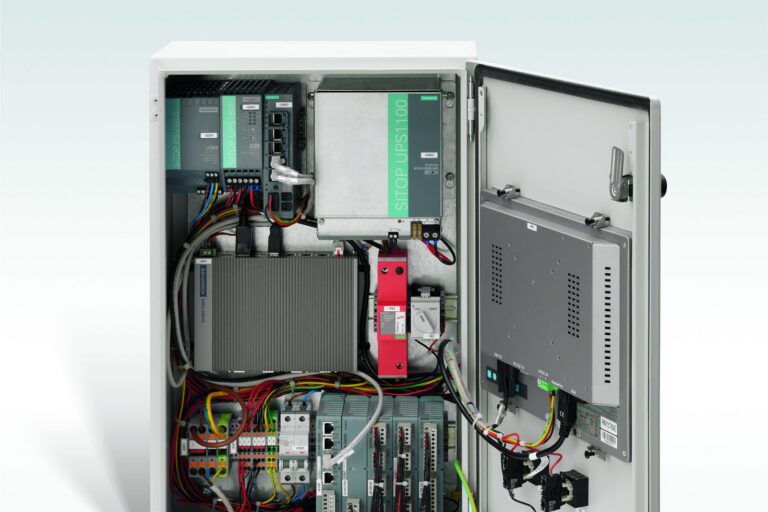
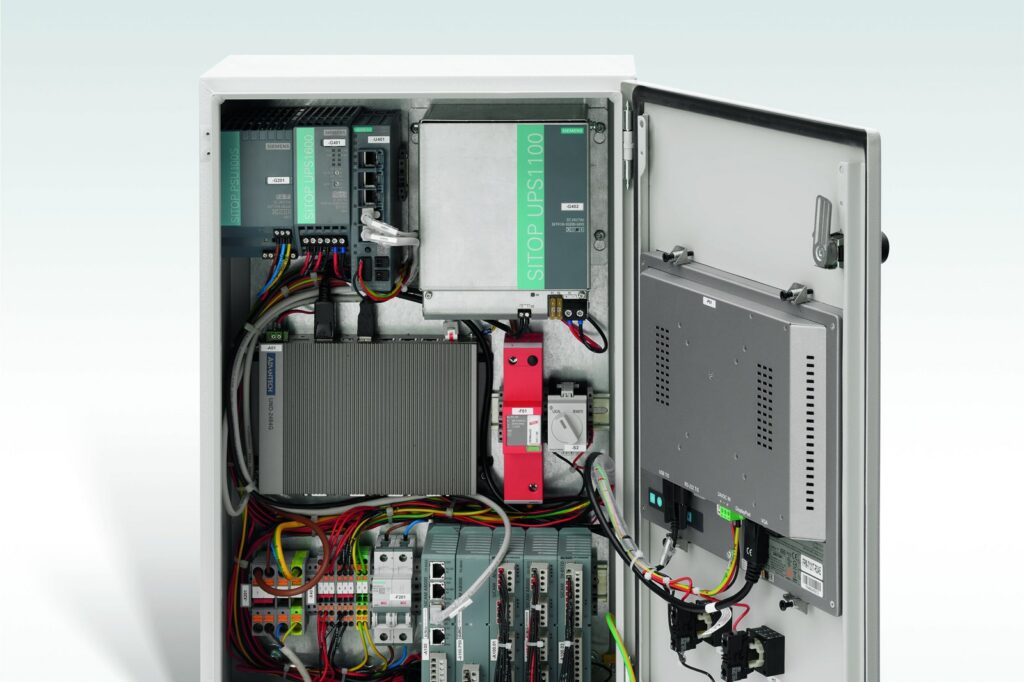
A microgrid is a local electrical grid with defined electrical boundaries that acts as a single controllable entity. It can operate connected to the main grid or disconnect and function autonomously in “island mode” when technical or economic conditions dictate, improving the security of supply and supplying emergency power during outages. Stand-alone microgrids, which have their own generation sources supplemented with energy storage, are used where transmission from a centralized source is too far and costly, offering an option for rural electrification on smaller geographical islands.
Proving Grounds: From the Caribbean to the Military
The U.S. Department of Energy supports microgrid development in remote areas through the Community Microgrid Assistance Partnership (C-MAP), managed by the National Laboratory Resource (NLR) and funded by the Office of Electricity. In June 2025, the C-MAP pilot cohort announced $2.5 million in project funding for 14 projects spanning 37 towns and villages involving 20 partner organizations, alongside $1 million in technical assistance delivered through national laboratories.
Military exercises offer a stress test for the technology. U.S. Army researchers testing a commercially developed Rapid Deployment Hybrid Microgrid in the Philippines during Exercise Balikatan found it reduced generator runtime by an estimated 30% to 50%, according to early results from the Combat Capabilities Development Command Army Research Laboratory. The containerized system, built by Resilient Energy & Infrastructure, uses battery storage and automated energy management to buffer rapid shifts in power consumption, extending “silent watch” capability from minutes to several hours.
Research and Large-Load Applications
The University of St. Thomas has expanded its Center for Microgrid Research to study how communities, military installations and businesses can keep electricity flowing when the larger grid is strained or disrupted. The center’s electrical systems have a combined capacity of roughly 3 megawatts, enough to power an estimated 3,000 to 5,000 homes, and has secured more than $35 million in funding from sources including the National Science Foundation and the U.S. Army Engineer Research and Development Center. U.S. Department of Energy officials noted microgrids offer a promising solution to enable the fast, reliable and affordable build-out of large electric loads such as data centers with shorter timelines relative to distribution and transmission grid expansion.
Lessons for Vulnerable Regions
“One lesson many of us have learned is the islands that use the quieter years to prepare are often the ones that recover most effectively,” says David Gumbs, director of the Islands Energy Program at RMI, who sheltered in his bathroom during Hurricane Irma in 2017. “The best preparation happens months and often years before it’s needed.” The Bahamas’ real-time experiment tests whether a small island nation can achieve energy self-sufficiency and climate resilience simultaneously, offering a model the Caribbean — and other vulnerable regions — are watching closely.
Sources
- Weather disasters are getting more extreme. The Bahamas is betting its power on smaller grids
- Microgrid
- Community Microgrid Assistance Partnership
- Microgrids, Large Electric Loads & Grid Support: How to Leverage Microgrids to Support Utilities and Large Load Customers
- St. Thomas Microgrid Expansion Advances Energy Resilience – Newsroom | University of St. Thomas
- Hybrid Microgrid Cuts Generator Runtime in Army Exercise
Photo: Itsjuliaxp (CC BY-SA 4.0)