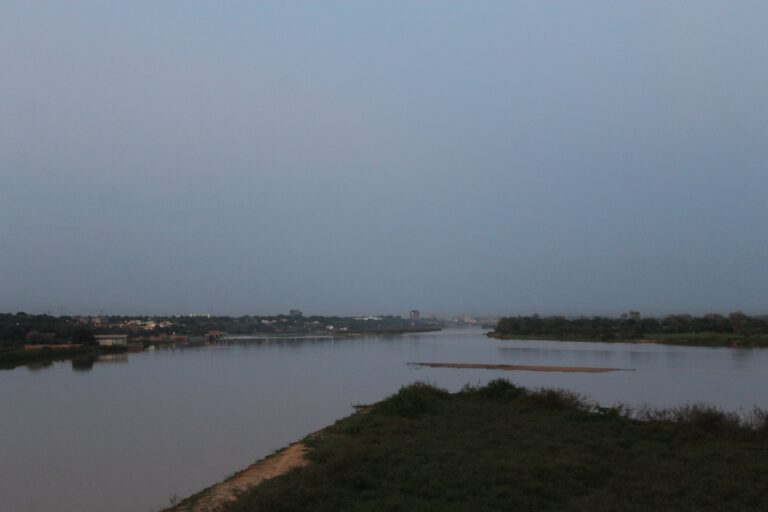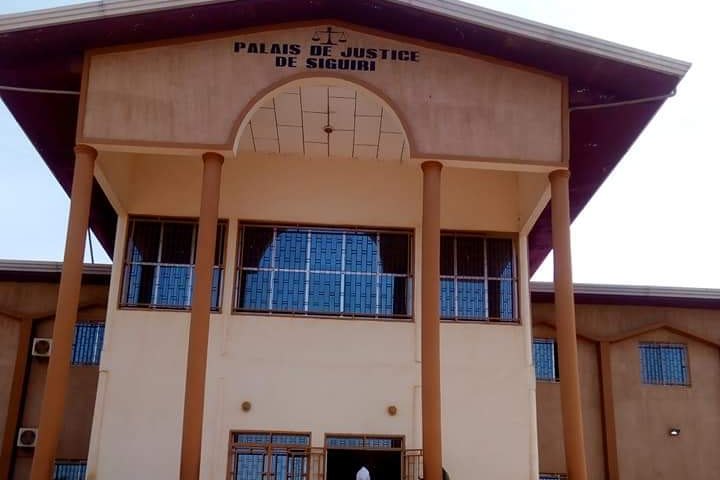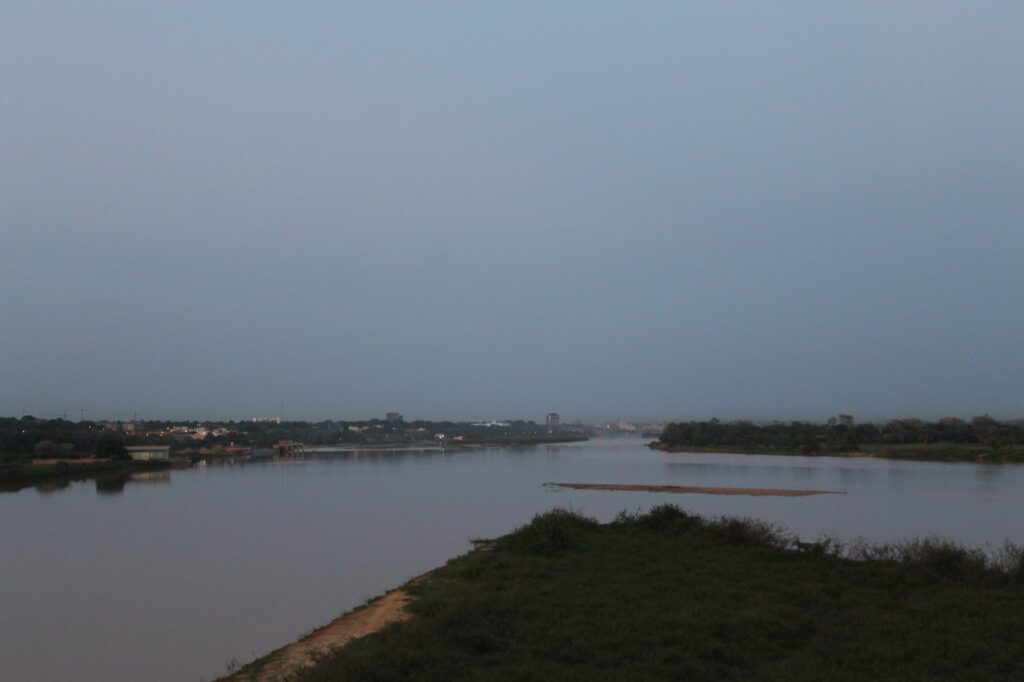
SIGUIRI, November 17, 2026 — Guinean authorities have banned illegal gold mining in the Siguiri region to curb river pollution and deforestation caused by large-scale operations, triggering a crackdown that has displaced tens of thousands of miners across West Africa. The enforcement, which began earlier this month, has led to deadly clashes, mass arrests, and a diplomatic dispute with neighboring states.
Scale of Deforestation and Soil Depletion
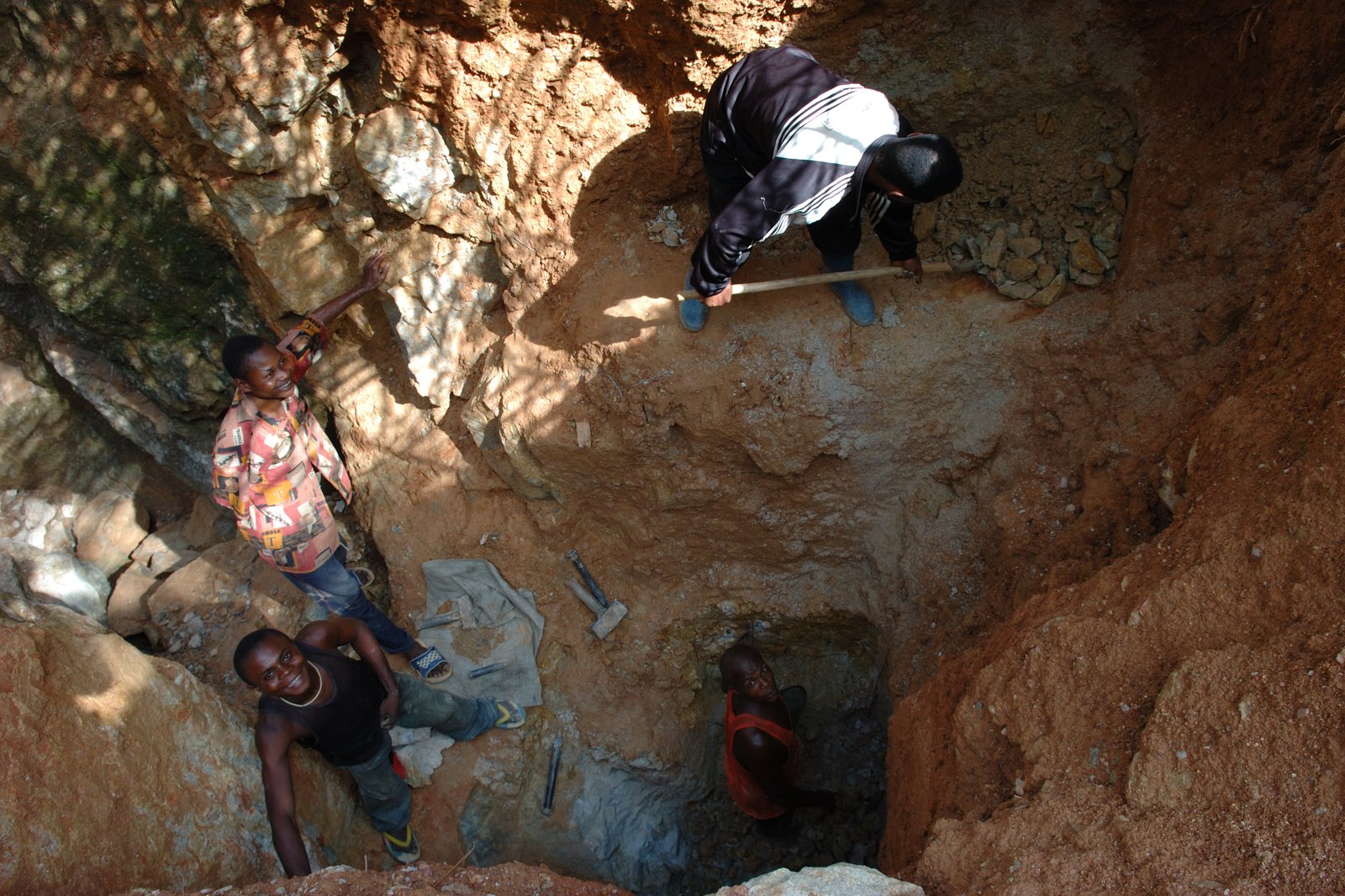
Uncontrolled gold mining in Siguiri depletes soil, destroys vegetation and chokes waterways, according to Guinean officials. Civil society chairman Toumany Sangare confirmed that recent mining involved chemicals that destroy the environment and pollute water sources. The government said the crackdown aims to stop the destruction of farmland by heavy machinery and the pollution of rivers by chemicals. Land clearing for mining consumes significant energy and water resources while emitting air pollutants, and physical disturbances from excavation destabilize tree root systems that are crucial for preventing erosion.
Mercury and Chemical Pollution
Artisanal gold mining relies on mercury to extract gold from soils, causing toxic heavy metal contamination. Mercury pollution wreaks havoc on forests, people, animals and plants in mining regions. Mining processes contaminate soil, groundwater and surface water with chemicals emitted during extraction. Altered drainage patterns redirect water flow, intensifying erosion and sedimentation of nearby water bodies, which degrades water quality and causes long-lasting ecological damage.
Downstream Impacts on Agriculture, Fisheries and Health
Eroded materials transported by runoff into surface water lead to sedimentation that affects downstream agriculture and fisheries. Soil erosion decreases water availability for plant growth, resulting in population decline in plant ecosystems. Contaminated groundwater and surface water threaten human health in communities downstream from mining sites. The cumulative impact results in degraded water quality, loss of habitat, and long-lasting ecological damage across the Upper Niger Basin.
Biodiversity Loss in the Upper Niger Basin
Mining causes erosion, sinkholes, loss of biodiversity, and contamination of soil, groundwater and surface water. Sinkholes near mine sites typically result from the failure of mine roofs during resource extraction. The destruction of vegetation and tree root systems removes crucial components for stabilizing soil and preventing erosion. These disturbances degrade local ecosystems and have broader implications for planetary environmental health in the region.
Government Crackdown and Mass Displacement
A court in Conakry sentenced 22 former local officials from Siguiri to two years in prison each for complicity in environmental degradation, destruction and water pollution, with fines of 10 million Guinean francs (about $1,120) each. The court also sentenced 202 illegal miners — including several foreign nationals — to three-year prison terms on the same charges plus illegal mining, with a combined fine of 10 billion Guinean francs ($1.1 million). Foreign nationals involved were banned from Guinean territory for 10 years. The 224 defendants were among more than 1,200 people arrested in Siguiri earlier this month. Security forces raided mining hotspots, confiscating equipment and arresting 1,263 people total. Deadly clashes erupted on November 11 in the Balato community between security agents and miners erecting barricades, killing at least 10 people and wounding 13 others, with three military vehicles set alight.
Regional Diplomatic Tensions
Mali reports up to 160,000 miners fled into its territory from Guinea’s crackdown, with at least six women giving birth in Mali since the displacement began. The Alliance of Sahel States, meeting in Ouagadougou on November 12, recognized countries’ authority to enforce their laws while voicing concern about the decree and expulsions. More than 300,000 people in Guinea eke out a living as illegal miners, according to data from the UN Environment Programme. Global gold prices above $5,000 per ounce drive organized crime networks into illegal mining, and the remote nature of mining sites hinders law enforcement, making illegal operations low-risk and lucrative. Guinea’s administration has ambitions to make the country a dominant mining force in the region and increase state revenues by tracking most of the value chain for resources such as gold.
Sources
- Chaos as crackdown on illegal mining in Guinea causes wave of regional displacement
- Environmental impact of mining
- Will the new gold rush push the Amazon to its tipping point? | Wake Forest News
- Guinea: Shutdwon of illegal gold mining, arrests and deportations spark regional outcry
- West Sumatra police consider legalising illegal gold mining to protect livelihoods and the environment
- Guinea sentences more than 200 people to prison in a crackdown on illegal gold mining – Newsday
Photo: Ibrahimassoumane (CC BY-SA 4.0)