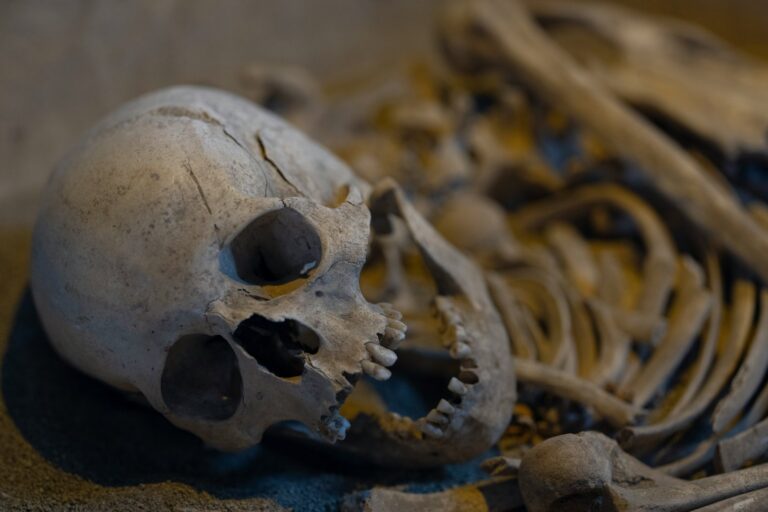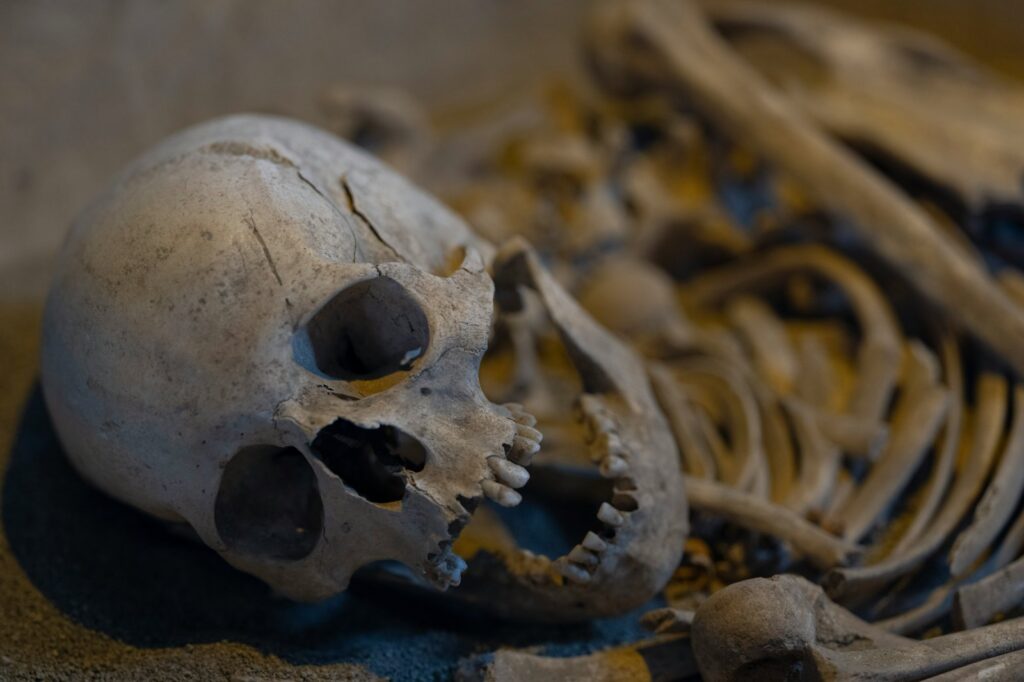
MÁLAGA, November 18, 2026 — Subway extension works on Calle Hilera have uncovered a Roman necropolis containing 984 burial complexes and the remains of more than 1,000 individuals. The site stretches roughly 1,300 feet beneath the modern street.
How the Necropolis Was Found
Crews digging to extend the local metro line toward a future hospital site exposed the burial ground this spring. When the discovery was first announced, the regional ministry of public works had documented 600 burials. Since then, the count has climbed past 1,000 individuals, and officials expect it to keep rising as excavation proceeds tomb by tomb under archaeological supervision.
Burial Types and Layout
All burials date from the second to fourth centuries C.E., when the Romans dominated the Iberian coast. Archaeologists have documented a variety of structures: tile-lined tombs, table-style tombs, simple pits, and, intriguingly, newborns buried inside amphorae. Many graves show evidence of reuse for multiple interments over time. The necropolis sits along what researchers believe was a key coastal route leading out of the urban center, well outside the city limits of the second century.
Grave Goods and What They Reveal
Grave goods are relatively few, limited mainly to pottery, coins, and a smattering of personal items. According to Mario Muñoz-Atanet, the regional government’s public works delegate in Málaga, the coins come from many different places and help confirm Málaga’s history as a port that drew people from across the Mediterranean. The modern city is built atop Phoenician, Roman, and Moorish settlements; the Nasrid Wall, built by the last Islamic kingdom on the peninsula between the 13th and 15th centuries, was discovered nearby.
What Comes Next
Muñoz-Atanet told the newspaper Sur that the number of graves will likely grow as excavations continue. “We are working on them one by one, tomb by tomb,” he said. Plans for a future metro archaeology museum are already underway, and finds from the metro excavations will form the centerpiece of its collection, with one tomb of each type slated for display.
Sources
- Subway Workers Dug Under a Busy Street and Found an Ancient City of the Dead
- Necropolis
- A Newly Discovered Necropolis May Be One of the Last of Its Kind Built in Bronze Age Spain
- Massive burial sites persisted late into the Bronze Age in Spain
- Megalithic tombs stayed in use late into the Bronze Age in southern Spain | Archaeology News Online Magazine
- Massive megalithic tombs persisted into the Bronze Age in Spain
Photo: engin akyurt / Unsplash (Unsplash License)