Chrysos Corporation processed a record 1.36 million samples in October using its PhotonAssay technology, pushing July-to-October revenue to A$36.7 million ($24.5 million), a 27% increase over the previous calendar period, the company said in a trading update. The volume surge, which brought the four-month total to 4.9 million samples, underscores a shift in how mining companies value speed and sample integrity in exploration and grade control.
Origins At Australia’s National Science Agency
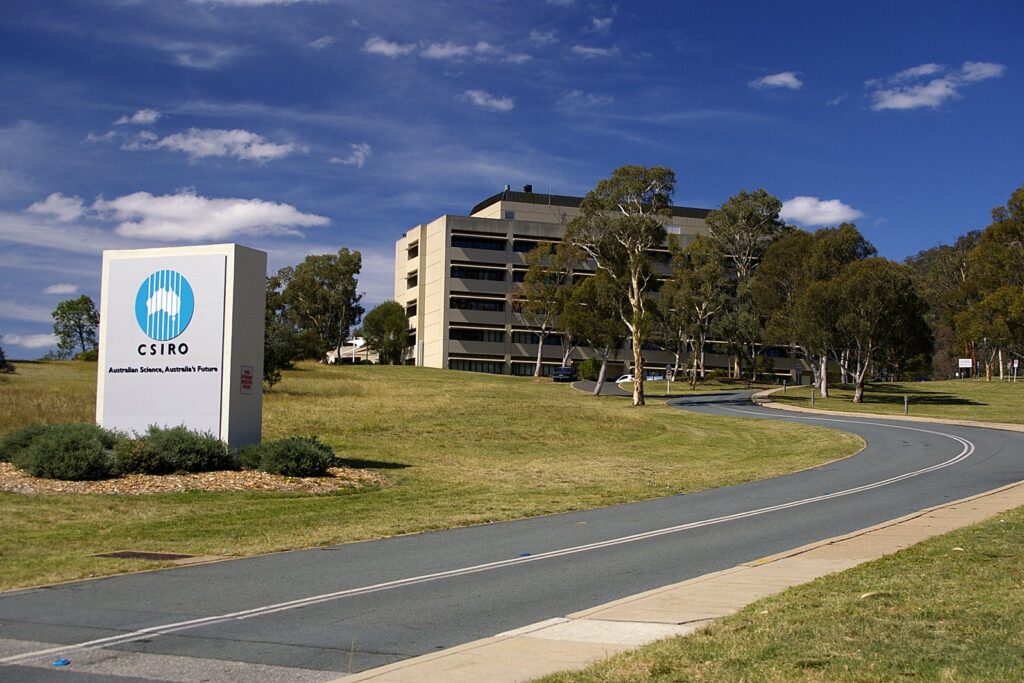
The technology was originally developed at Australia’s national science agency, CSIRO, before Chrysos commercialised it as a direct alternative to fire assay. Fire assay, the centuries-old standard, relies on combustion and lead fluxes to separate gold, destroying the sample in the process and generating hazardous waste streams including lead slag and furnace off-gases.
How PhotonAssay Works
PhotonAssay uses high-energy X-ray activation to excite gold atoms in intact samples, measuring the characteristic gamma emissions they release. Because the process requires no combustion or fluxes, it eliminates lead handling, slag disposal, and the associated CO2 emissions. The non-destructive nature of the analysis preserves the physical sample, allowing operators to rerun tests, conduct metallurgical variability work, or retain material for arbitration checks.
Economic Impact: Time, Waste, And Sample Integrity
Cycle times as short as two minutes enable near-real-time grade control, supporting tighter blast patterns, short-interval control, and on-belt ore-waste discrimination. Automated sample handling reduces manual preparation, lowering labour costs and ergonomic exposure for technicians. Stable calibration is maintained via reference standards rather than the frequent crucible and flux batch checks required by fire assay. For operations constrained by limited on-site laboratory capacity, the modular units offer scalable analytical throughput that can be deployed directly at mine sites or central labs.
The Numbers: Fleet Expansion And Revenue Mix
Chrysos has signed 15 new lease agreements in the 2027 financial year, bringing total contracted units to 97. The operational fleet stands at 51 units deployed across five continents, with six units deployed since July and another six currently being commissioned. New installations span Australia, Canada, Suriname, and Ivory Coast, extending the technology into both established mining centres and newer markets.
Revenue composition is shifting toward usage-based income. Minimum monthly assay payments contributed A$22.6 million, up 7%, while additional assay charges jumped 79% to A$13.7 million as customers processed more samples through existing machines. Usage-based charges now represent 38% of PhotonAssay revenue, up from 26% a year earlier. The fleet sustained above 90% average availability from July to October despite high utilisation rates, the company said.
Chrysos has lifted manufacturing capacity to 18 units annually as it targets a deployed fleet of 90 units by the end of the 2029 financial year. The company held A$19.5 million in cash at 31 October with A$120 million undrawn under a A$200 million syndicated debt facility. Full-year revenue guidance remains at A$108 million to A$118 million with EBITDA forecast at A$35 million to A$42 million on a constant-currency basis.
Sources
- Prime Minister's Prizes for Science
- International Mining | Chrysos Corp processes record number of PhotonAssay samples in October
- Chrysos Corp PhotonAssay record: grade control and QA/QC takeaways for mines
- Chrysos Corporation Lifts Revenue 27% on Record Gold Assay Volumes
Photo: Bidgee (CC BY-SA 3.0)