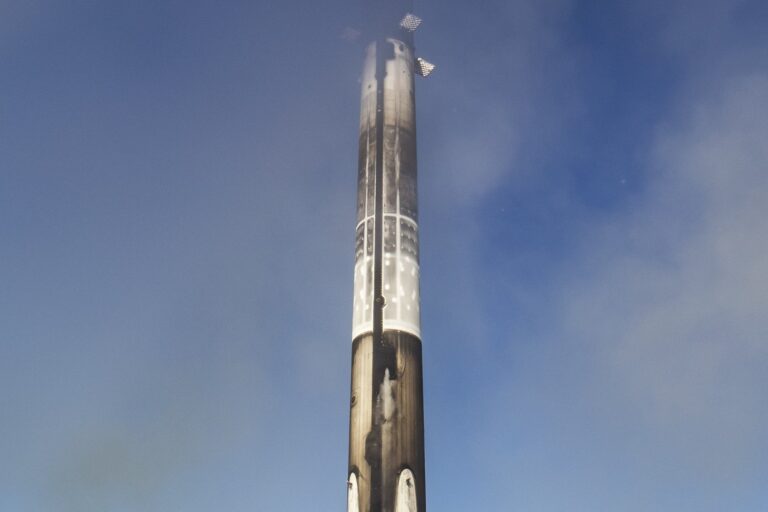
Elon Musk says SpaceX will halt commercial flights of the Falcon 9 after 2028, a timeline that has pushed Planet Labs to sign a multi-launch agreement with Stoke Space Technologies as a backup. The move highlights a looming gap in launch capacity that satellite operators are scrambling to fill.
The Retirement Timeline and Its Immediate Impact
Musk has stated that Space Exploration Technologies plans to end commercial Falcon 9 operations after 2028, shifting engineering focus to the larger Starship system. That deadline creates urgency for companies like Planet Labs, which operates approximately 200 Earth observation satellites that must be replaced every three to five years. Even without expanding its constellation, Planet needs a steady cadence of launches simply to maintain its current fleet.
In November 2026, Planet Labs announced it had signed a multi-launch deal with Stoke Space for its Nova rocket. Stoke plans to have Nova ready for regular use by 2028, aligning with the Falcon 9 exit date. The contract calls for launches from Cape Canaveral Space Launch Complex 14 starting in 2027, beginning with the Nova Pathfinder version and transitioning to a larger Block 2 model. The Pathfinder variant is expected to lift three tonnes to low Earth orbit, enough to replace Planet’s entire SuperDove constellation in a single flight.
Falcon 9’s Current Cadence and Reliability
The Falcon 9 has become the workhorse of the global launch industry since its first flight on June 4, 2010. It flew 165 times in 2025 and logged 118 flights through October 31, 2026, according to launch tracking data. That 2026 pace runs behind the previous year, with 14 fewer Starlink missions accounting for much of the difference. SpaceX’s own June 2026 filing notes that it has steadily increased Falcon 9 cadence but expects launches to decrease over time.
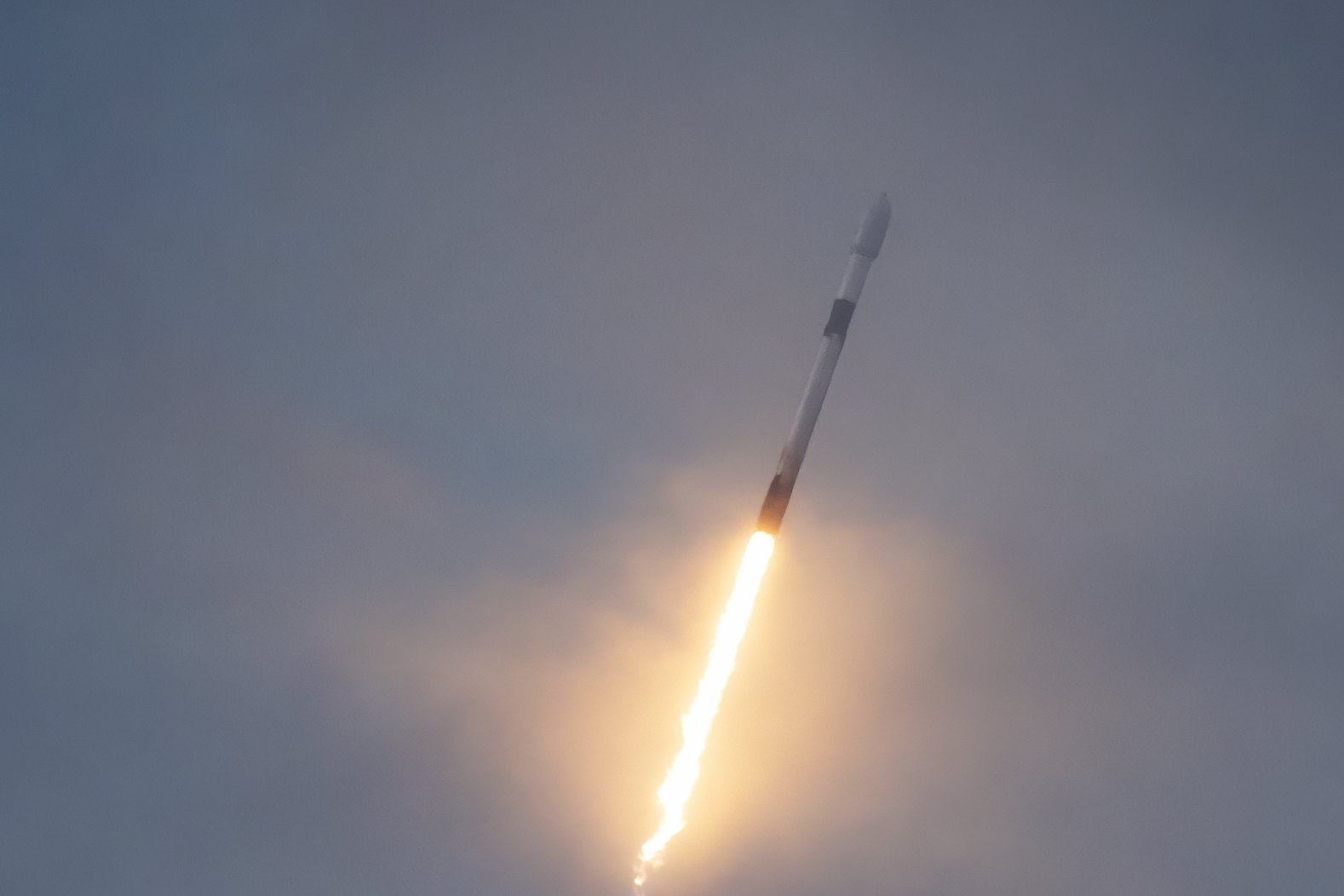
The rocket’s reliability record underpins its dominance: 699 successful flights against two in-flight failures, one partial failure, and one pre-flight destruction. Booster recovery has become routine. As of November 12, 2026, SpaceX had successfully landed Falcon 9 boosters 660 times, with individual boosters flying as many as 37 missions. In August 2026, the company set a record by launching two Falcon 9 missions from Florida and California just 38 minutes apart.
Manifest Pressure and the Scramble for Slots
Despite the high flight rate, manifest space is tightening. Most remaining Falcon 9 slots up to around 2030 are already booked. K2 Space secured a 2027 flight more than a year in advance, illustrating the lead times now required. Rideshare customers face additional risk; if a co-passenger delays, an operator can rebook for a 5% to 10% fee but with no guarantee of a new launch date.
This scarcity affects national security customers as well. In November 2026, Falcon 9 flew the classified USSF-317 mission for the U.S. Space Force and the NROL-136 mission for the National Reconnaissance Office on back-to-back days from Vandenberg Space Force Base. Both missions relied on the rocket’s certified status for sensitive payloads.
Certification Hurdles for Starship
For Starship to replace Falcon 9 across the manifest, it must clear the same certification gates. Falcon 9 is human-rated for NASA astronaut missions to the International Space Station, certified for the National Security Space Launch program, and listed as a Category 3 (Low Risk) vehicle under NASA’s Launch Services Program, allowing it to fly the agency’s most expensive and complex science missions. Starship has not yet achieved these ratings. SpaceX’s June 2026 filing confirms the company expects Falcon 9 launches to decrease over time, but the transition depends on Starship meeting those technical and regulatory milestones for crew, national security, and high-value science payloads.
Emerging Alternatives and Their Timelines
Stoke Space is not the only company positioning for the post-Falcon 9 market, but its 2028 operational target matches the retirement deadline most closely. Nova Pathfinder flights are slated to begin in 2027 carrying payloads for AstroForge and Celestis, with Planet Labs satellites expected on subsequent Pathfinder and Block 2 missions. Other emerging vehicles are at earlier stages of development, leaving a narrow window for operators to secure backup launch capacity before the Falcon 9 manifest closes completely.
Sources
- Planet Labs Teams Up With Stoke Space — Just In Case SpaceX Really Retires the Falcon 9 | The Motley Fool
- Falcon 9
- Falcon 9 flies national security doubleheader
- I booked the first used Falcon 9 booster. Where will satellite operators go when SpaceX retires it? | Fortune
- Watch: SpaceX launches back-to-back Falcon 9 missions in 38 minutes, sets new orbital record
- Next Falcon 9 Launch and the Missions Behind Its Launch Cadence
Photo: Official SpaceX Photos (CC0)