
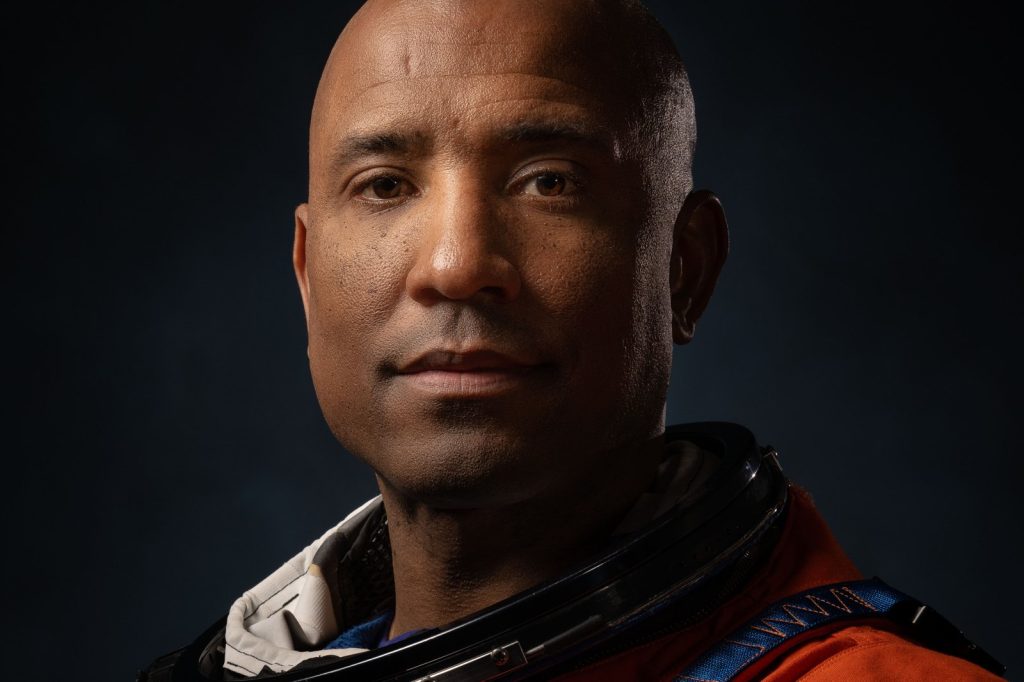
After a 47‑year hiatus since Apollo 17, NASA launched the Artemis II mission from Kennedy Space Center on 8 June 2026. The crew – Commander Reid Wiseman, Pilot Victor Glover, Mission Specialists Christina Koch and Jeremy Hansen – boarded the Orion spacecraft and entered a ten‑day trajectory that will carry them around the far side of the Moon before returning to Earth. Victor Glover makes history as the first Black astronaut to travel beyond low‑Earth orbit on a lunar mission.
Christina Koch holds the record for the longest single spaceflight by a woman, and Jeremy Hansen is the first Canadian to venture beyond low‑Earth orbit. Together they will test Orion’s ability to sustain four humans for the duration of a lunar flyby, verify navigation when the spacecraft is out of contact with ground stations, and prove the heat shield can survive re‑entry speeds of roughly 25,000 mph – far higher than those encountered by ISS crews.
The Orion capsule resembles the Apollo command module in shape but incorporates modern upgrades: larger windows, advanced computing systems and a functional waste‑management facility. Unlike the Apollo program, which was driven by Cold‑War competition and aimed for a rapid “sprint” to the Moon, Artemis is designed for a long‑term presence. The overarching goal is a sustainable base at the lunar south pole, followed by a crewed landing (Artemis III) slated for 2028, and eventually a crewed mission to Mars.
During the early phase of the flight, Orion transmitted striking images of Earth, continuing a tradition that dates back to the Apollo era, when astronauts first looked back at the planet and recognized its fragility. Those same views were beamed to crowds gathered along Florida’s coast, who watched the rocket climb into a clear sky, aware that the four astronauts were traveling farther from Earth than any humans have since the early 1970s.
Artemis II does not include a lunar landing; its purpose is to validate the spacecraft’s life‑support, navigation and thermal‑protection systems in the deep‑space environment. Success is essential because the entire Artemis architecture – including the Starship‑derived lunar lander that SpaceX is developing – depends on Orion’s performance. The lander has yet to achieve a successful orbital flight, and the program’s schedule remains ambitious, with possible delays before the 2028 landing.
NASA’s vision for Artemis contrasts sharply with Apollo’s. Where Apollo focused on a short‑term flag‑planting mission, Artemis aims to “stay, learn, go farther.” The program envisions a permanent human foothold on the Moon, scientific research at the south pole, and the development of technologies that will support future journeys to Mars.
The launch marks a pivotal moment for human space exploration. If Orion completes its ten‑day lunar flyby without incident, the pathway to a sustained lunar presence and deeper space missions will open wider. Conversely, a failure would jeopardize the broader architecture and delay the timeline for subsequent missions.
As Orion continues its journey around the Moon, the world watches the four astronauts – Wiseman, Glover, Koch and Hansen – who are pioneering the next chapter of exploration. Their mission tests the hardware, the crew’s endurance, and the viability of a long‑term lunar strategy, setting the stage for the next steps in humanity’s return to the Moon and beyond.




