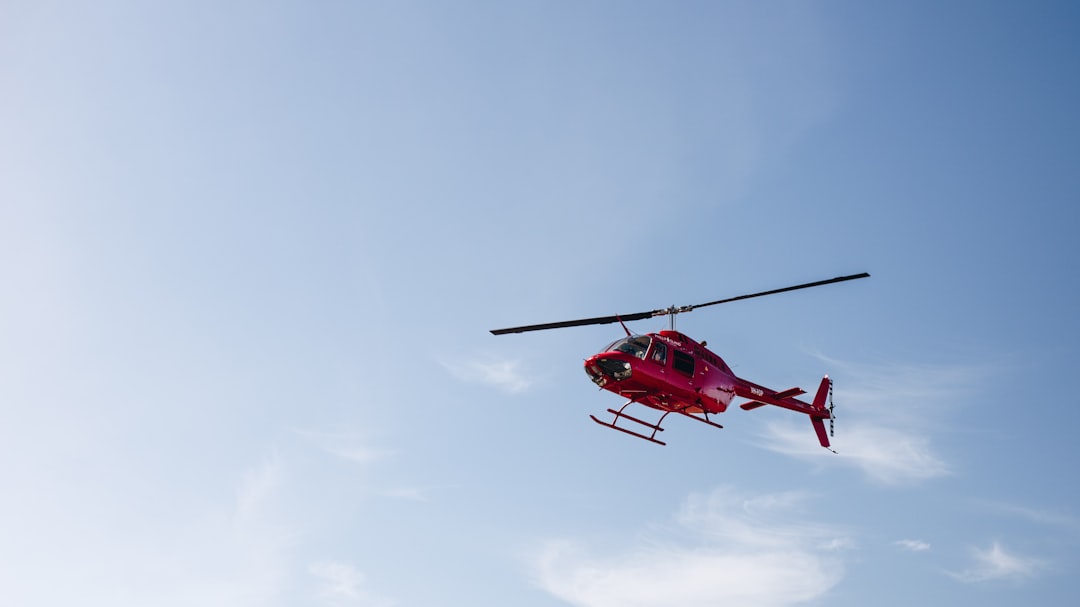
The helicopter that crashed in Iran’s East Azerbaijan province on May 19 was part of a three-aircraft convoy. The other two landed safely. That single fact is driving the investigation now underway: why one Bell 212 went down while the others did not.
The flight had departed from the Giz Galasi Dam, bound for Tabriz. The route crossed mountainous terrain near the village of Uzi. Weather conditions at the time of the crash remain part of the inquiry. The Iranian Air Force helicopter was carrying President Ebrahim Raisi, Foreign Minister Hossein Amir-Abdollahian, Governor-General of East Azerbaijan Malek Rahmati, and Mohammad Ali Ale-Hashem, the representative of the supreme leader in East Azerbaijan. The head of the president’s security team was also on board. So were three flight crew members. All died.
Raisi’s death removes a figure who had consolidated power within Iran’s conservative establishment since taking office in 2021. He was widely seen as a potential successor to Supreme Leader Ali Khamenei. His foreign minister, Amir-Abdollahian, was the public face of Iran’s nuclear negotiations and its regional strategy. The loss of both men simultaneously leaves a gap at the top of Iran’s executive branch—one that will be filled under procedures set by the constitution, but with no clear frontrunner for the presidency.
The crash also killed the top civilian administrator of East Azerbaijan province and the supreme leader’s personal representative in that region. These were not merely ceremonial posts. Rahmati oversaw provincial governance in a strategically important area bordering Azerbaijan and Armenia. Ale-Hashem served as a direct link between the clerical leadership in Qom and the provincial administration. Their deaths mean a simultaneous turnover of political and religious authority in one of Iran’s most sensitive provinces.
Bell 212 helicopters are a dated platform. The type entered service in the late 1960s. Iran acquired many of its Bell helicopters before the 1979 revolution. Decades of sanctions have made parts procurement difficult. Maintenance records for Iranian military aircraft are not publicly available, but experts have long noted the strain on Iran’s aging rotary-wing fleet. Whether mechanical failure, pilot error, or external factors caused this crash is not yet known. The fact that the other two helicopters in the convoy completed their flights without incident suggests the problem was specific to the aircraft that went down.
Mourning has been widespread. Raisi was a polarizing figure internationally but maintained a base of support inside Iran. His death, alongside that of the foreign minister and other officials, has triggered an immediate political vacuum. The supreme leader holds ultimate authority in Iran, but the president manages the day-to-day machinery of government. With Raisi gone, that machinery must shift into an interim arrangement.
The crash comes at a moment of high tension. Iran is involved in proxy conflicts across the Middle East. It is under crippling economic sanctions. Its nuclear program remains a point of confrontation with the West. The loss of the president and foreign minister does not change Iran’s strategic position overnight, but it removes the two individuals most responsible for executing policy on the ground. The succession process will be closely watched, both inside Iran and abroad.
The investigation will focus on the wreckage, the flight data, and the testimony of those who saw the helicopter go down. The site near Uzi is remote. Recovery operations were complicated by terrain. Answers will take time. For now, Iran is left with a single question: why did one helicopter fall, and what does that mean for the country’s future?