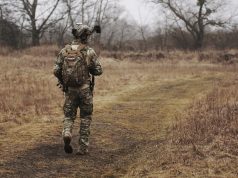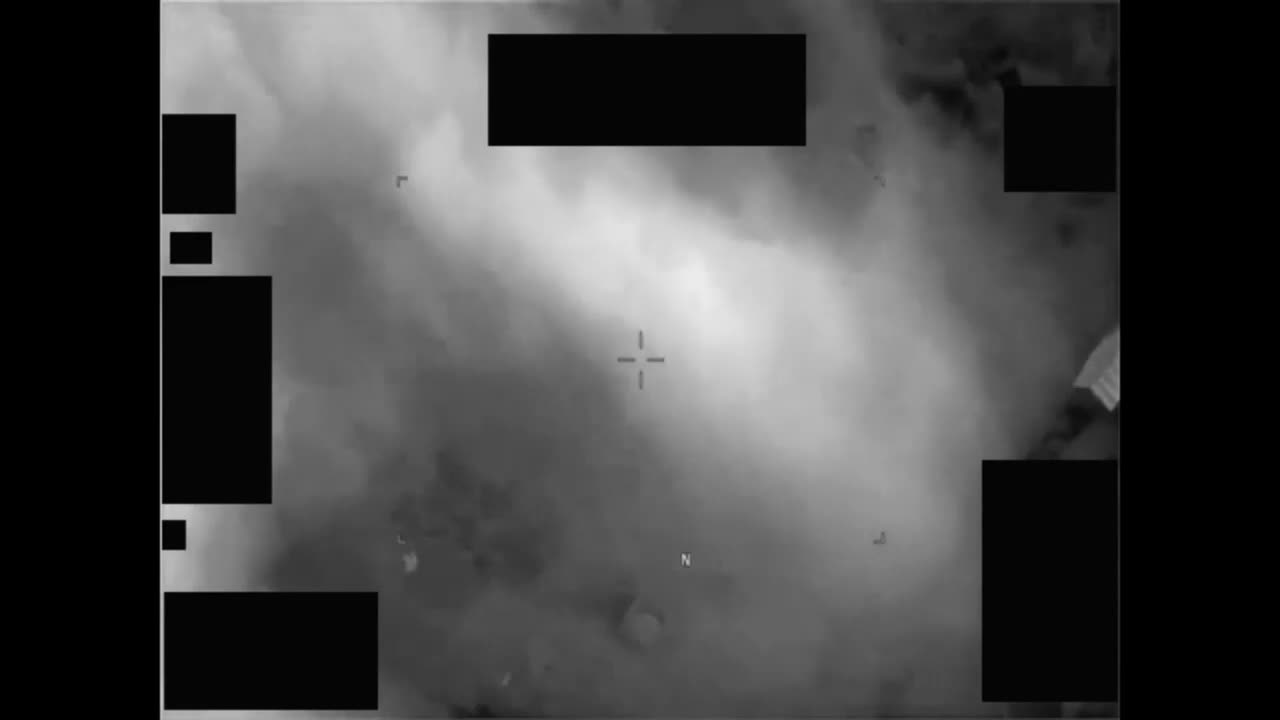
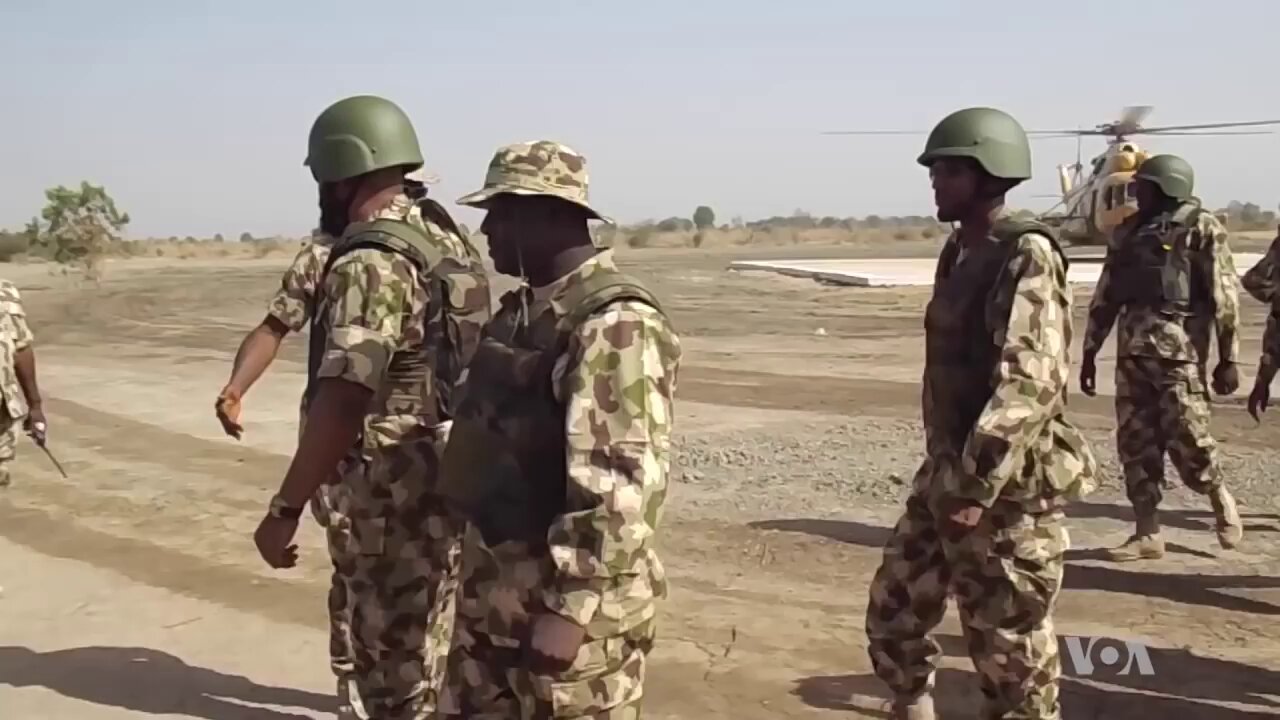
Nigeria’s military has dealt a significant blow to the Boko Haram terrorist group, announcing the death of Abu Khalid, described as the group’s deputy leader in the Sambisa Forest, along with ten other fighters. The raid, which took place in Borno State, is a major development in the ongoing fight against the Islamist insurgency that has plagued the region for years. As the most populous country in Africa, with over 242 million people, Nigeria’s stability is of paramount interest to the international community, particularly the United States, which has been a key partner in the country’s counter-terrorism efforts.
The Sambisa Forest, a vast and remote area in northeastern Nigeria, has long been a stronghold of Boko Haram, providing the group with a safe haven to plan and launch attacks. The death of Abu Khalid, a senior commander, is likely to disrupt the group’s operations and potentially create divisions within its leadership. Nigeria’s military has been working to dismantle Boko Haram’s network, and this latest operation is a significant step forward in that effort. The US has been providing support to Nigeria’s military, including training and equipment, as part of its broader counter-terrorism strategy in the region.
Nigeria’s geography, with its long borders and diverse terrain, presents a significant challenge to the military’s efforts to combat Boko Haram. The country shares borders with several nations, including Niger, Chad, and Cameroon, making it difficult to prevent the flow of arms and fighters. However, the Nigerian military has been working to strengthen its relationships with its neighbors, and the US has been encouraging regional cooperation to address the shared threat of terrorism. The Federal Republic of Nigeria, with its 36 states and Federal Capital Territory, is a complex and dynamic country, and its government has been working to balance the need for security with the need to protect human rights and promote economic development.
The Boko Haram insurgency has had a devastating impact on the people of Nigeria, particularly in the northeastern states, where the group has been most active. The conflict has displaced millions of people, and many more have been killed or injured in attacks. The US has been providing humanitarian assistance to those affected by the conflict, and has been working with the Nigerian government to promote economic development and stability in the region. The city of Lagos, Nigeria’s largest urban center, has been a key hub for economic activity, and the US has been encouraging American businesses to invest in the country, particularly in the energy and agriculture sectors.
As the US continues to support Nigeria’s efforts to combat Boko Haram, it is also keeping a close eye on other regional threats, including the growing influence of China and the activities of hostile actors such as Iran. China has been increasing its investment in Nigeria, particularly in the energy sector, and the US is watching closely to ensure that these investments do not undermine regional stability or compromise Nigeria’s sovereignty. The Iranian government, which has been accused of supporting terrorist groups in the region, is also a concern, and the US is working with its partners to prevent the spread of Iranian influence.
Looking ahead, the death of Abu Khalid is a significant blow to Boko Haram, but it is unlikely to mark the end of the insurgency. The Nigerian military will need to continue to work to dismantle the group’s network and prevent it from regrouping. The US will likely continue to provide support to Nigeria’s military, and will work with its partners in the region to promote stability and security. As the situation continues to evolve, one thing is clear: the fight against Boko Haram is far from over, and it will require sustained effort and cooperation from the international community to ultimately defeat the group and bring peace to the region.