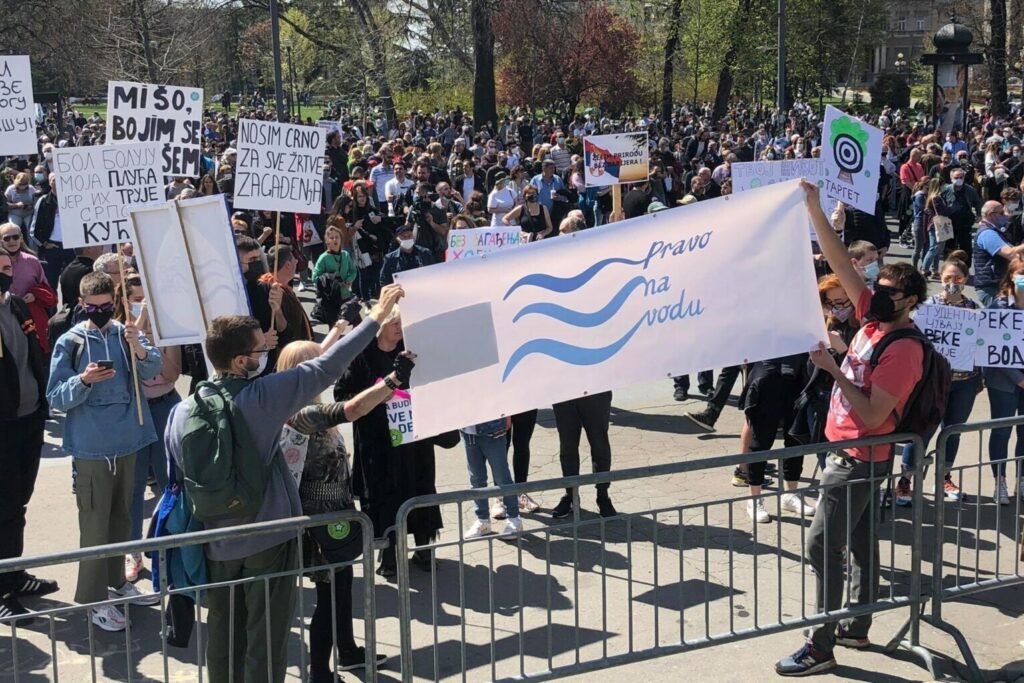
The European Union’s push to secure critical minerals from the Western Balkans is colliding with the environmental standards required for the region’s EU accession, according to a new report from Journalists for Human Rights and recent developments on the ground.
Strategic Designation Meets Local Resistance
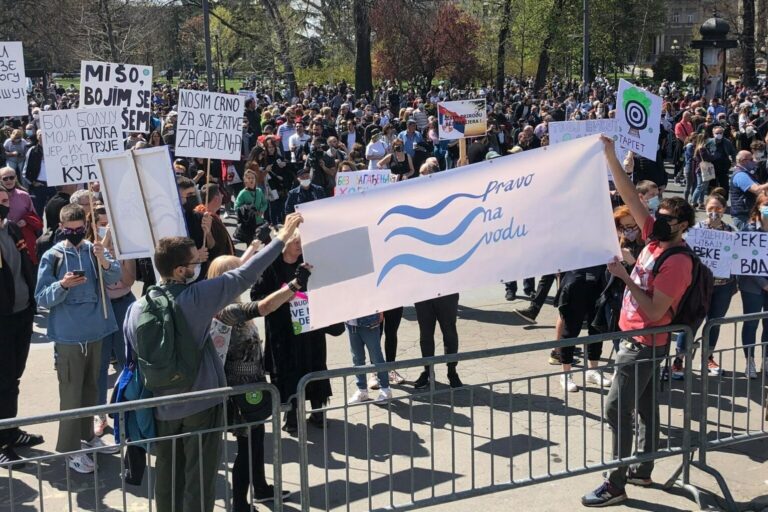
The Jadar project sits in a valley where communities rely on agriculture, raising immediate water security concerns. Activists from the group Ne damo Jadar report unprecedented persecution: members have been fired, arrested, threatened, and subjected to media demonisation for opposing the mine before construction began. Nebojša Petković, an activist with the group, said they achieved something rare by stopping a multinational mining project before implementation. Researcher Frauke Seebass of the Hellenic Foundation for European & Foreign Policy noted that anger over the lithium mine is increasingly directed at the EU for its perceived role in supporting the project.
Chinese Investment Bypasses EU Oversight
While Brussels advances its Critical Raw Materials Act, Chinese investment in Serbian copper mines operates outside EU oversight frameworks. The global race for critical minerals has intensified competition between China, the United States, and the EU in the Western Balkans, with all three powers attempting to secure their own supply chains. The Tethyan Belt geological corridor stretching through the region hosts significant copper and lithium deposits, drawing interest from Australian Securities Exchange explorers like Regener8 Resources and Northstone Resources, which hold licences in Bosnia and Herzegovina and Serbia respectively.
Democratic Backsliding and Environmental Governance
The Journalists for Human Rights report documents how mining expansion has redefined political power and tested environmental governance limits across North Macedonia, Serbia, and Türkiye. It highlights a widening gap between government narratives presenting mining as an economic development pillar and the realities impacting communities and ecosystems. In North Macedonia, legacy pollution from Socialist-era mines persists in polluted rivers and toxic hotspots like Lojane, Jegunovce, and Veles, while the government formed a new Ministry of Mining and Energy Transition in 2025 to frame mining as a driver of green energy technologies.
Accession Chapter 27 at Risk
The Western Balkans region includes Serbia, North Macedonia, and other EU accession candidates that must align with Chapter 27 environmental standards. The European Court of Auditors has noted low governance scores in Serbia regarding critical raw materials. In April 2026, the U.S. International Development Finance Corporation approved $5 million to restart antimony mining in North Macedonia, adding another external actor to the regional mineral race. EU plans for green transition and renewable energy technologies drive demand for lithium, nickel, cobalt, copper, and rare earth elements from the region, but the lack of transparency and exclusion of local communities from decisions affecting their land and water challenges both EU standards and accession benchmarks.
Sources
- Balkans
- New Report Warns Mining Expansion in the Western Balkans and Türkiye Deepens Environmental, Health, and Democratic Risks
- EU mining plans in the Western Balkans face local resistance
- JANAF Pipeline Rupture Threatens Western Balkans Fuel Supply Amid Looming U.S. Sanctions Deadline
- Meet the boss: The ASX explorers appointing new captains to chart the course | Stockhead
- Approach the future of Pljevlja in a planned and responsible manner, provide new jobs
Photo: Voice of America (Public domain)