
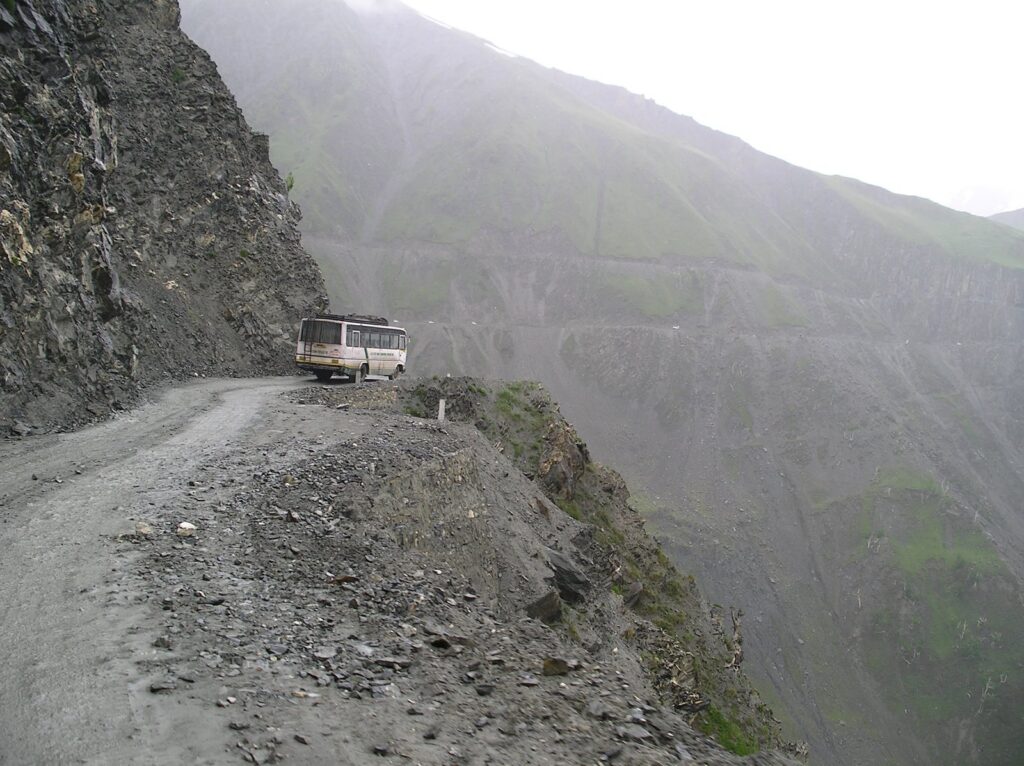
A landslide at the Zoji La pass in Ladakh, India, on March 27, 2026, has killed seven people and left five others injured, according to reports. The event took place in a high-altitude area known for its difficult terrain and severe weather, which frequently poses challenges for those living in or traveling through the remote region. Zoji La pass is located in the Himalayas and serves as a key connection between the Kashmir Valley and the Dras and Suru valleys.
National Highway #1, which runs through the pass, links the cities of Srinagar and Leh, making it an essential route for transporting people and goods. This highway is a crucial resource for local communities, supporting access to services, trade, and commerce.
However, heavy snowfall and extreme conditions often disrupt traffic along this corridor, creating significant difficulties for travelers. Efforts to address these disruptions are ongoing, with construction of an all-weather Zoji-la Tunnel currently in progress. As of late 2022, the tunnel project was advancing, with the goal of providing a stable and reliable route through the pass that remains operational regardless of weather conditions. The tunnel is expected to lower the risk of landslides and other hazards, while also improving travel safety and efficiency in the area.
This infrastructure investment reflects a commitment to enhancing residents’ lives and supporting economic growth, as it will also reduce costs tied to maintaining the existing road network and improve energy security. The Zoji La pass spans the Ganderbal district of Jammu and Kashmir and the Kargil district of Ladakh, both union territories of India.
The region supports a diverse range of plants and animals, making its ecosystem a valuable natural asset. Preservation efforts are important for maintaining the ecological balance, and sustainable development practices are seen as key to ensuring the long-term health of this environment. The March 27 landslide underscores the unpredictable force of nature in this area.
While the exact causes of such events are complex, some scientists suggest that shifts in weather patterns and environmental conditions may play a role. The region’s geography and climate make it naturally susceptible to these disasters.
Looking ahead, the Zoji-la Tunnel and similar projects are expected to enhance safety and resilience. Investments in renewable energy and sustainable development could also reduce dependence on fossil fuels and lower the economic and environmental costs of maintaining the current road network.




