
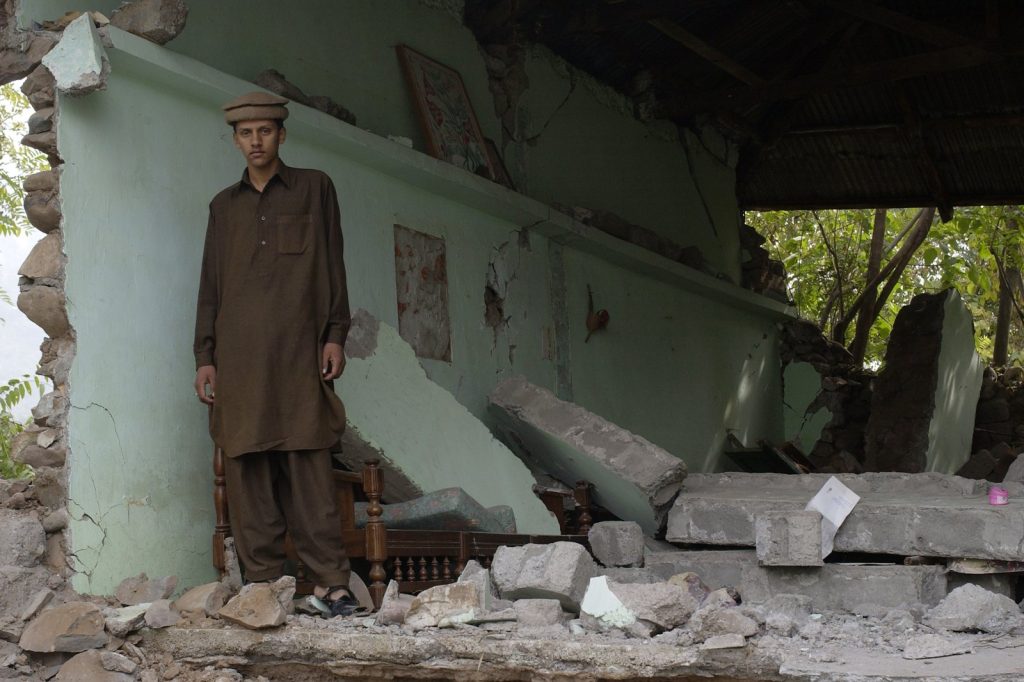
On 4 January, a concrete‑and‑timber roof gave way in Charsadda district, killing six people and injuring five others who were later rescued from the wreckage. The tragedy has sent shockwaves through the local community, where families, neighbours and co‑workers of the victims now grapple with loss and uncertainty.
Emergency services rushed the injured to nearby hospitals, while the deceased were taken for burial rites. Daily life in the affected part of Charsadda ground to a halt as authorities and residents confronted the aftermath of the collapse.
Charsadda, a district steeped in history with Buddhist ruins and Gandharan artefacts, now faces a modern challenge: the safety of its contemporary structures. The collapse was a clear structural failure, though the precise cause has not yet been disclosed. Possibilities include substandard materials, flawed design, the age of the building, or a combination of these factors.
Provincial officials have announced a formal investigation, a routine response to such incidents. However, past inquiries in Pakistan have often been hampered by incomplete records, limited enforcement capacity and, at times, a lack of political will. Observers question whether this probe will result in more than a filed report.
Building safety has long been a concern in Khyber Pakhtunkhwa, a region situated within a seismically active zone. Earthquakes, floods and landslides have historically exposed vulnerabilities in local construction. The recent roof collapse adds to this pattern, highlighting how extreme weather—intensified by climate change—can stress structures not designed for such conditions. Heavy rain can saturate roofing materials, while extreme heat may cause concrete to crack, both of which undermine structural integrity.
The immediate priorities now include assessing other similar buildings in the area, determining whether repairs or reinforcements are required, and ensuring that any mandated safety measures are enforced. The outcome will influence whether the incident becomes a catalyst for broader reforms or joins a list of tragedies that fade from public attention.
For the families of the six deceased, the impact is both emotional and economic. The loss of a breadwinner or primary caregiver can lead to reduced household income, increased medical and funeral expenses, and long‑term financial strain. The five injured survivors face uncertain recoveries, with potential medical costs and lost wages adding to the community’s burden.
Experts repeatedly stress that prevention hinges on regular inspections, diligent maintenance and adherence to stringent safety standards—practices commonplace in many countries but often aspirational in parts of Pakistan. The gap between recommended procedures and actual implementation remains wide, and closing it will require coordinated effort, sufficient funding and political commitment.
As Charsadda moves forward, the collapsed roof stands as a data point in a longer series of structural failures across the province. While another collapse is not inevitable, the likelihood of recurrence will depend on the effectiveness of the forthcoming investigation, the rigor of any ensuing inspections, and the resolve of authorities to enforce corrective actions.
The district will mourn its losses, conduct the necessary burials, and eventually resume ordinary activities. Yet the incident underscores a pressing need for systematic improvements in building safety to protect communities from similar disasters in the future.




