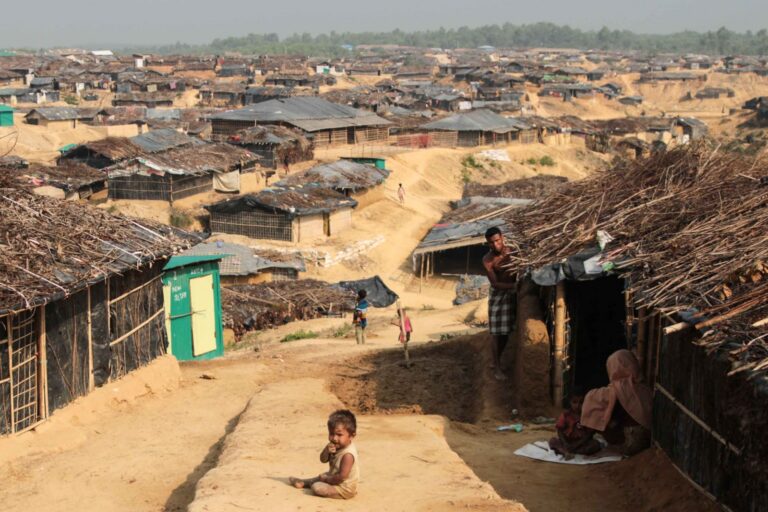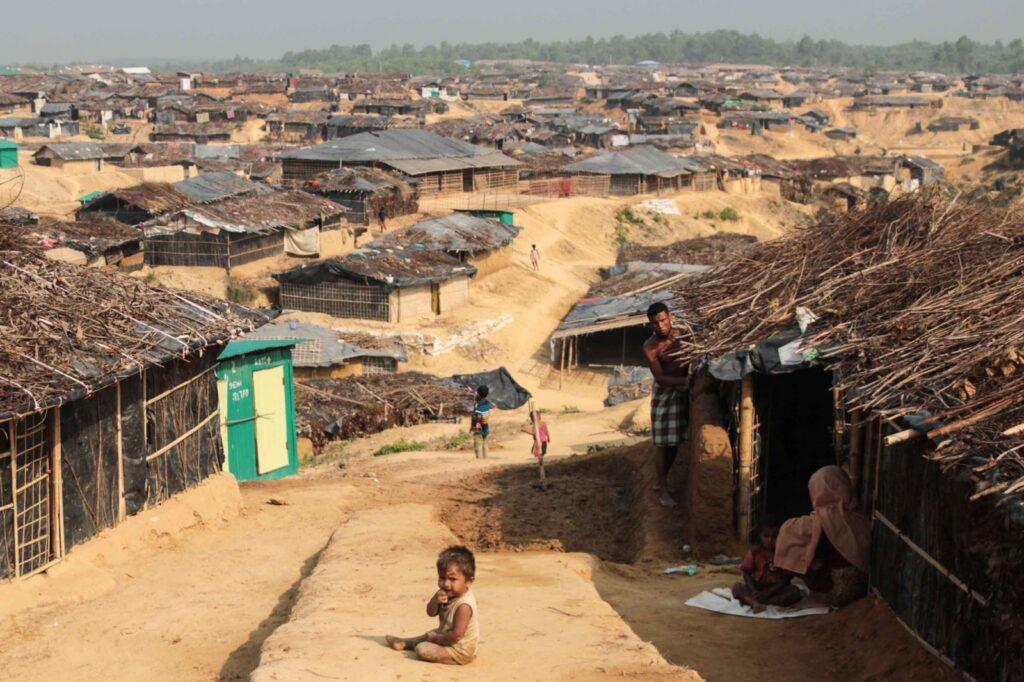
The Scale of Displacement in a Warming World
International Organization for Migration (IOM) data suggests millions are at risk of displacement due to climate disasters, a trend that aligns with a stark new warning from the United Nations High Commissioner for Refugees (UNHCR). The agency reported that nearly 90 million forcibly displaced people worldwide are living in countries facing high to extreme exposure to climate-related hazards, such as drought, floods, and extreme heat. This group represents approximately three in four of all forcibly displaced people globally, according to the report titled “No Escape III: Displaced Voices on the Frontlines of the Climate Crisis,” published on November 6, 2026.
The economic and human stakes are significant. These individuals have already fled conflict, violence, or persecution, only to find themselves in regions where resources to adapt to changing weather patterns are limited. The UNHCR notes that climate-related disasters disproportionately affect marginalized populations, who often face other structural challenges in climate-vulnerable regions. For these communities, the threat is not abstract; it is a direct attack on shelter, livelihood, and safety.
Where Do They Go? The Limits of Mobility
When climate hazards strike, the movement of people is primarily internal. Climate migration is defined as movement driven by the impact of sudden or gradual climate-exacerbated disasters, including abnormally heavy rainfalls, prolonged droughts, desertification, and sea-level rise. The majority of these climate migrants move within their own countries, though a smaller number cross national borders. The UNHCR estimates that an average of 20 million people are forcibly displaced to other areas within their countries by weather-related events every year.
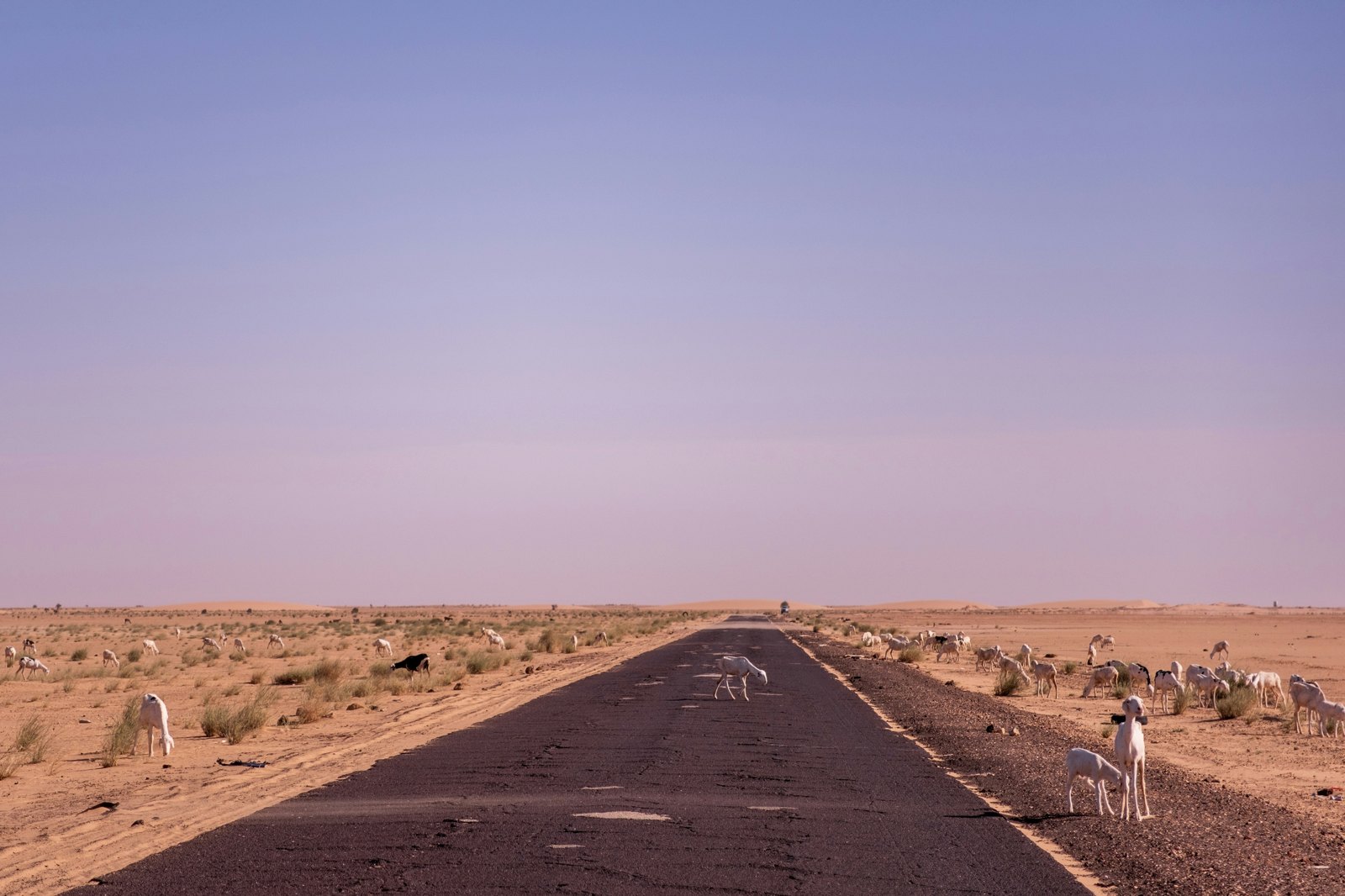
However, the destination of this movement is increasingly precarious. The data shows that fleeing conflict does not guarantee lasting safety. Refugees often have limited access to land, financial resources, employment, and strong social protection systems, which are critical for preparing for and recovering from disasters. In many host countries, the very environments that initially provided refuge are now becoming hostile due to intensifying climate shocks.
The Double Injustice of Return
A critical finding in the UNHCR report is that climate change is undermining the prospects for durable solutions for displaced people. More than two-thirds of refugees who returned home in the first half of 2026 went back to countries or areas highly vulnerable to climate hazards. This raises serious concerns about the sustainability of these returns, as environmental conditions in areas of origin remain dangerous for both lives and economic activities.
Antón Leis García, UNHCR’s Assistant High Commissioner for Operations, described this situation as a “double injustice.” He noted that refugees are forced to flee conflicts they did not cause and are now on the frontlines of a climate crisis to which they have contributed least. “For millions, climate change is not a distant threat. It is destroying shelters, undermining livelihoods and putting their hopes of rebuilding their lives at risk,” García said.
Syria illustrates this challenge vividly. Nearly four million people have recently returned to the country, where declining groundwater and severe climate shocks are threatening recovery after more than a decade of war. In May 2026, flooding along the Euphrates River damaged homes and displaced thousands once again. The return of these populations to areas with degraded environmental baselines complicates the economic reconstruction required to stabilize the region.
Concrete Impacts: From Sudan to Turkey
The abstract figures in the report translate into specific, daily hardships for individuals. In eastern Chad, Monira Bahraldin, who fled El Fasher in Sudan’s Darfur region in June 2023, faces an ever-present risk of climate shocks amid ongoing drought and persistent conflict. She noted that the peak of the dry season in Chad is much hotter than in Darfur, and the journey to fetch water has become even longer as family demand for water increases.
In Turkey, the impact on livelihoods is equally tangible. Muhammad Salih, a 46-year-old beekeeper living in Karkamis near the Syrian border, fled after Islamic State militants took control of his hometown in 2015, killing his brother-in-law and seven children. While he has left sectarian violence behind, he has not escaped extreme weather. Drought has cut his honey production in half over the past five years. In the most recent season, rains returned but brought intense flooding and hail that destroyed the flowers his business depends on. Salih had to sell all 250 of his beehives for a third of their worth when he first fled, and now the climate is eroding the remaining value of his assets.
Heat, Floods, and the Future of Settlements
Extreme heat poses a growing challenge for refugee settlements, particularly in Africa. The report estimates that by 2050, one in three refugee settlements in sub-Saharan Africa could face at least 100 days of dangerous heat annually. In some settlements in Ethiopia, including Helaweyn, dangerous heat could persist for more than 200 days a year, threatening residents’ health and livelihoods.
Floods are another major driver of displacement. Weather-related disasters have triggered more than 255 million internal displacements worldwide over the past decade, equivalent to approximately 70,000 movements a day. In East Africa, severe flooding associated with a very strong El Niño could displace up to 3 million people in Somalia, Kenya, South Sudan, and Uganda by the end of 2026, depending on the severity of the floods. In South Sudan, recurring floods in areas like Bentiu have forced families to leave their homes, damaging agricultural land and routes used to access essential services. For communities dependent on farming and livestock, the destruction of farmland and grazing areas has lasting consequences, leading to lost food supplies and income even after floodwaters recede.
The Financing Gap
The ability of these populations to adapt is severely constrained by a lack of resources. The UNHCR warns that resources intended to help communities adapt to climate change are not reaching the most vulnerable populations at the scale required. Fragile and conflict-affected countries, which host large refugee populations, receive only around 10 percent of global funding to address climate change. This financial shortfall creates a significant gap between the scale of the threat and the capacity to respond.
Despite these constraints, displaced people and host communities are developing local solutions. Examples include solar-powered water systems in the Sahel, climate-resilient agriculture in Uganda, and land and mangrove restoration in Colombia. However, the UNHCR states that greater investment in adaptation, particularly in areas of return, is essential to support reintegration and make returns safe, voluntary, and sustainable.
Legal Protections and Statelessness
The legal framework for climate migrants remains inadequate. Few existing international frameworks and regional or domestic legal regimes provide adequate protection to climate migrants. This lack of legal recognition has severe consequences, particularly for stateless populations. Without legal recognition, many struggle to access disaster relief and adaptation support, leaving them uniquely vulnerable to the impacts of climate change.
Climate migration has been described as “the world’s silent crisis,” contrasting its global pervasiveness with its lack of recognition and investigation. Estimates on climate-related displacement vary, with some projections estimating that around 200 million people will be displaced by climate-related disasters by 2050. Other estimates, which take ecological threats including conflict and civil unrest into account, suggest up to 1 billion migrants by 2050. These figures underscore the magnitude of the challenge facing global markets and humanitarian systems alike.
International Response and Future Outlook
The UNHCR report was released ahead of the United Nations Climate Change Conference COP31, which opens next week in Antalya, Türkiye. At the conference, UNHCR will urge governments to address these gaps. The agency emphasizes that climate change is not just an environmental issue but a humanitarian and economic one that requires integrated solutions. The resilience of displaced communities depends on their inclusion in climate-related decisions and the availability of robust adaptation resources.
The intersection of conflict and climate change creates a complex dynamic that traditional humanitarian aid models are ill-equipped to handle. As the frequency and intensity of disasters increase, the need for proactive adaptation measures in host and origin countries becomes critical. The data shows that without significant changes in financing and legal protections, the cycle of displacement and vulnerability will continue to intensify, posing a long-term challenge to regional stability and global security.
Sources
- Climate migration
- ‘No Escape’ for refugees on the frontlines of the climate crisis
- War drove refugees into Turkey. Climate change is making it harder to leave.
- Nearly 90 mln displaced people face severe climate risks
- Why ignorance may be the real existential threat — Ahmad Ibrahim
- UNHCR Warns 90 Million Displaced People Face Severe Climate Risks Worldwide
Photo: John Owens (VOA) (Public domain)