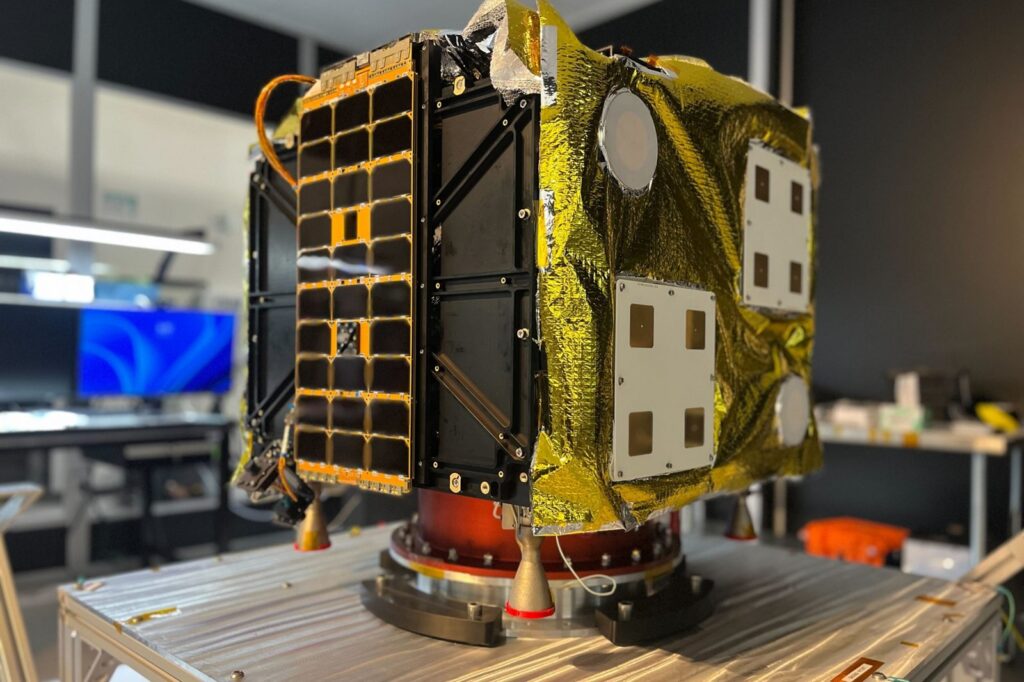
A new study by MIT system dynamicists suggests that asteroid mining could crash the platinum market by over 75% in 15 years, which could be good news for Earth. However, there are significant technological and economic hurdles standing between conceptual space resource extraction and commercial platinum delivery to Earth.
The Technological Reality
One of the primary challenges is the high cost of spaceflight, which makes it difficult to transport equipment and personnel to asteroids. Additionally, identifying suitable asteroids for mining is a complex task, and extracting usable material in a space environment is a significant technological challenge. Research missions like Hayabusa, Hayabusa2, OSIRIS-REx, and Tianwen-2 have successfully brought back only around 127 grams of asteroid material combined as of 2024, highlighting the complexity of asteroid mining.
Mineral Richness of M-Type Asteroids
M-type asteroids, which are the leftover metallic cores of protoplanets, carry concentrations of platinum group metals (PGMs) dozens of times higher than the richest mines on Earth. A single kilometer-wide M-type asteroid holds more PGMs than humans have extracted in all recorded history. This makes asteroid mining an attractive option for extracting these valuable metals. However, the process of extracting these metals from asteroids is still in its infancy, and significant technological advancements are needed to make it commercially viable.
Regulatory and Ethical Hurdles
Asteroid mining also raises regulatory and ethical concerns, including the risk of contamination, debris, and fairness. The Outer Space Treaty places the contamination duty on the State, making it the baseline legal test for any extraction plan. However, there is no binding global debris treaty, and the 2007 UN guidelines, the 2019 COPUOS guidelines, and the January 2025 IADC revision are all voluntary. The COPUOS draft principles on space-resource activities remain non-binding, with a consolidated September 2026 draft heading to the Legal Subcommittee’s 2027 session.
The Economic Hurdles
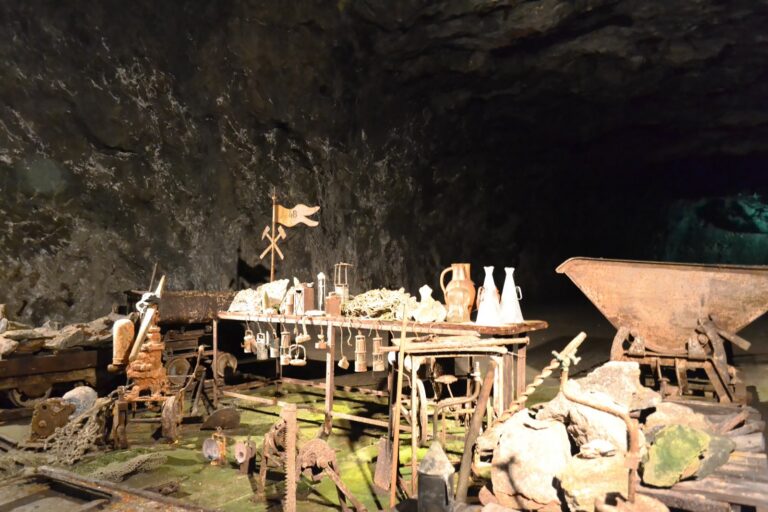
The economic hurdles of asteroid mining are also significant. The cost of launching a spacecraft into space is high, and the cost of extracting and processing metals from asteroids is still unknown. According to Universe Today, the prices of platinum group metals run to tens of millions of dollars a ton, which is based at least in part on how difficult they are to extract. Even at the Russian and South African mines, workers recover only a few grams of material per ton of rock, and the work requires ventilation, cooling, heavy machinery, and laborers deep underground.
The MIT economic model suggests that if asteroid mining becomes commercially viable, the price of platinum could drop by over 75% in 15 years, which could disrupt the terrestrial mining industry. However, this is still a hypothetical scenario, and significant technological and economic hurdles need to be overcome before asteroid mining can become a reality. As of now, the total amount of asteroid material brought back to Earth is still negligible, with NASA’s OSIRIS-REx returning 121.6 grams of pristine material from near-Earth asteroid Bennu in 2023.
Sources
- Asteroid mining
- Asteroid Mining Will Crash the Platinum Market, But Thatâs Good News for Earth
- NASA X-Ray Atlas of Bennu Asteroid Finds Nine Rock Types Without Cracking a Single Stone
- Asteroid Mining Could Cut Platinum Prices by Over 75%, MIT Model Says
- Aephia Industries launches C4 Live, a 3D map of the Star Atlas SAGE C4 war on z.ink
- Asteroid Mining Ethics: What Is Settled and What Is Still Argued
Photo: Unknown authorUnknown author (CC BY 4.0)