WASHINGTON, November 9, 2026 — President Donald Trump said Sunday that renewed U.S. military strikes on Iran are “highly unlikely” as long as negotiations over Tehran’s nuclear program and the Strait of Hormuz show progress. The remarks came as Iran grapples with 301 percent inflation and a U.S. blockade that has severed its crude exports.
Stalemate and Economic Pressure
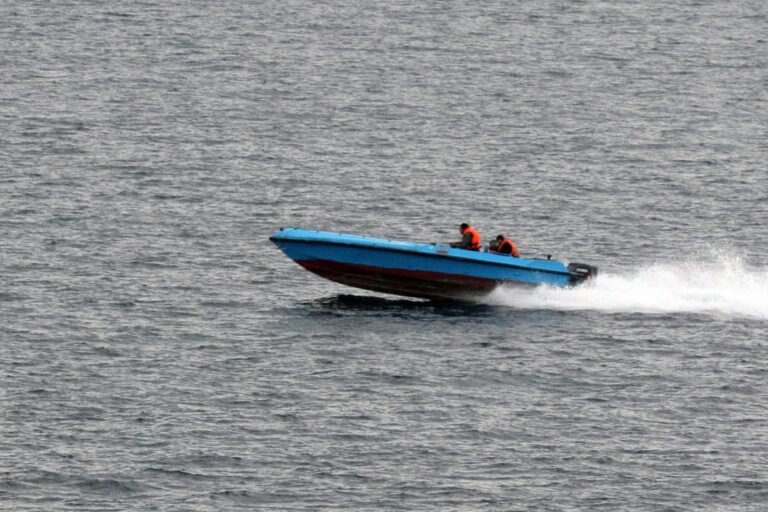
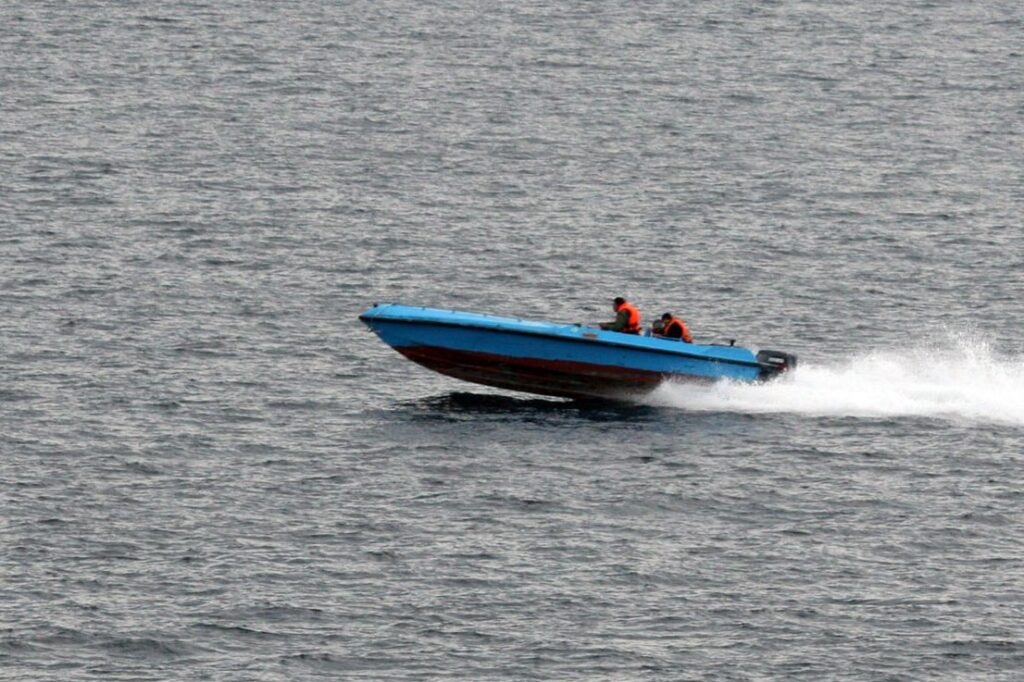
Iranian forces continue to attack oil tankers transiting the Strait of Hormuz, but the United States maintains control of the waterway and enforces a blockade aimed at crippling the Iranian economy, according to White House statements. Tehran has struggled to sell crude on global markets while billions of dollars in assets remain frozen in foreign banks. President Trump cited the 301 percent inflation figure during a CNN interview, describing Iran as a “failing nation” that is “withering away financially.”
Negotiations Mediated Through Qatar
Qatar has acted as a mediator in the ongoing talks between Washington and Tehran. Both sides and Qatari officials have kept quiet about the specific status of the negotiations. Trump emphasized that any permanent de-escalation depends on whether Iran signs a “very strong agreement” regarding its nuclear program. The U.S. military has simultaneously intensified pressure, offering a reward of up to $20 million for information on Iran’s nuclear program and launching a task force to block Tehran from using land routes to move advanced weapons and materials.
Midterm Elections and Iranian Hardliner Response
Iranian hardliners seized on the results of last week’s U.S. midterm elections, pointing to the war’s unpopularity with American voters as evidence of a weakened Trump presidency. Supreme Leader Ayatollah Mojtaba Khamenei, who has not appeared in public since a joint U.S.-Israel airstrike killed his father, Ali Khamenei, posted on X that “the process of the US’s collapse has accelerated.” A White House spokesperson countered that the United States holds “all the cards” with control of the Strait and the Iranian economy collapsing.
Energy Flows and the Clean Transition
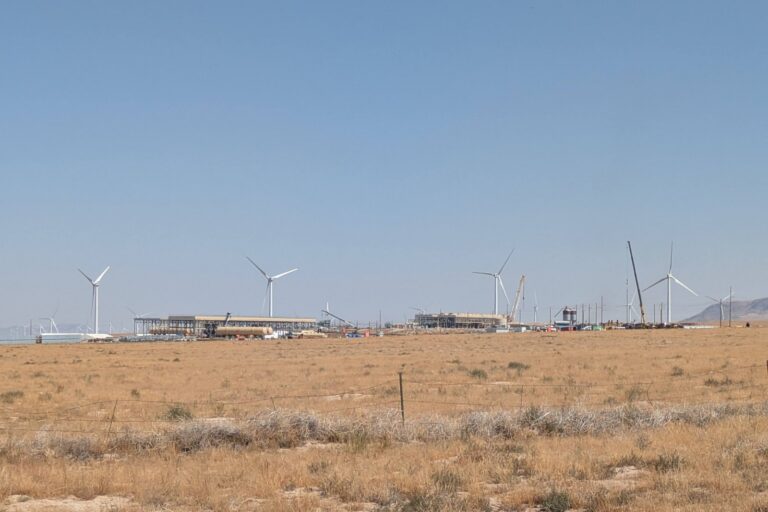
The Strait of Hormuz remains the single most critical chokepoint for global energy markets, handling roughly one-fifth of the world’s petroleum liquids. While the current blockade and attacks have not halted traffic, they add a persistent risk premium to every barrel shipped through the Gulf. That volatility complicates long-term capital allocation for energy projects worldwide. Investors weighing financing for new oil and gas fields versus wind, solar, or battery storage must price in the possibility of a sudden supply disruption. Historically, periods of acute Middle East tension have accelerated policy support for domestic energy independence and alternative fuels in importing nations. The current standoff reinforces that dynamic: the more fragile the passage through Hormuz appears, the stronger the economic argument for energy sources that do not transit it.
Outlook for the Regime
Supreme Leader Mojtaba Khamenei has been missing in action since the February strike that killed his father and other family members. The regime has ramped up anti-Western rhetoric, staging a “Trump in a Cage” exhibit and broadcasting AI-generated videos threatening military targets in France, Germany, and Britain. Trump told CNN the U.S. has identified 38 bridges inside Iran that could be struck within an hour and maintains three aircraft carriers in the region, “fully locked and loaded.”
Sources
- Iran
- Trump says renewed attacks on Iran “highly unlikely” if talks show progress | CNN Politics
- The Islamic Republic of Iran’s Power Centers | Council on Foreign Relations
- Trump ‘holds all the cards’ in war against Iran’s regime, White House says
- Trump says fresh US strikes on Iran ‘highly unlikely’ as nuclear negotiations continue- Moneycontrol.com
- Trump says return to war with Iran ‘highly unlikely’ as long as sides continue negotiations
Photo: U.S. Navy photo (Public domain)