CAPE CANAVERAL, November 13, 2026 — United Launch Alliance’s Vulcan Centaur rocket has successfully returned to flight after a nine-month grounding, lifting off from Florida’s Cape Canaveral Space Force Station.
Grounding and Technical Fixes
The rocket’s absence followed issues with its solid rocket booster (SRB) nozzles. During its second flight in October 2024 and fourth flight in February 2026, an SRB nozzle burned through and detached around 30 seconds after launch. Though the rocket completed both missions, the U.S. Space Force paused national security launches on Vulcan until ULA addressed the problem.
ULA has since implemented design and process improvements to the nozzle, identifying and mitigating potential contributors to the anomaly. This launch marks the first use of the improved design, providing valuable flight data to validate these changes.
Mission Highlights
This fifth Vulcan flight is notable for two reasons. First, it’s the first time Vulcan has flown with the maximum configuration of six solid rocket boosters, generating 3.9 million pounds of thrust at liftoff. Second, it carried 40 Amazon Leo internet satellites to low Earth orbit, the first such deployment for Amazon’s broadband constellation aboard Vulcan.
Amazon Leo, previously known as Project Kuiper, aims to compete with SpaceX’s Starlink network. Amazon has already deployed nearly 400 of a planned 3,200 satellites using various rockets, including ULA’s Atlas V, SpaceX’s Falcon 9, and Arianespace’s Ariane 6.
Implications for ULA and the Heavy-Lift Market
The successful return to flight is significant for ULA, a joint venture between Boeing and Lockheed Martin, as it positions Vulcan as a key player in the heavy-lift market. With its 35-foot Centaur V upper stage and dual engines, Vulcan is designed for complex missions to extreme orbital heights, differentiating it from ULA’s previous rockets.
The mission also underscores Vulcan’s role in supporting national security launches and commercial ventures like Amazon Leo. With its Atlas V nearing retirement, ULA is counting on Vulcan to become its primary workhorse.
The rocket’s 215-foot height and modular booster design allow it to adapt to various mission requirements, from zero to six SRBs. This flexibility, combined with the Centaur V’s capabilities, makes Vulcan a versatile option for both government and commercial customers.
As ULA continues to refine Vulcan’s performance, this launch marks a critical step in restoring confidence in the rocket’s reliability and paving the way for future missions.
Sources
- Powerful Vulcan Centaur rocket launching for 1st time in 9 months today: Watch it live
- Vulcan rocket returns to flight Friday. Here's how you can watch it
- Powerful Vulcan rocket with 6 boosters set to light up East Coast – AOL
- Powerful Vulcan rocket with 6 boosters set to light up East Coast
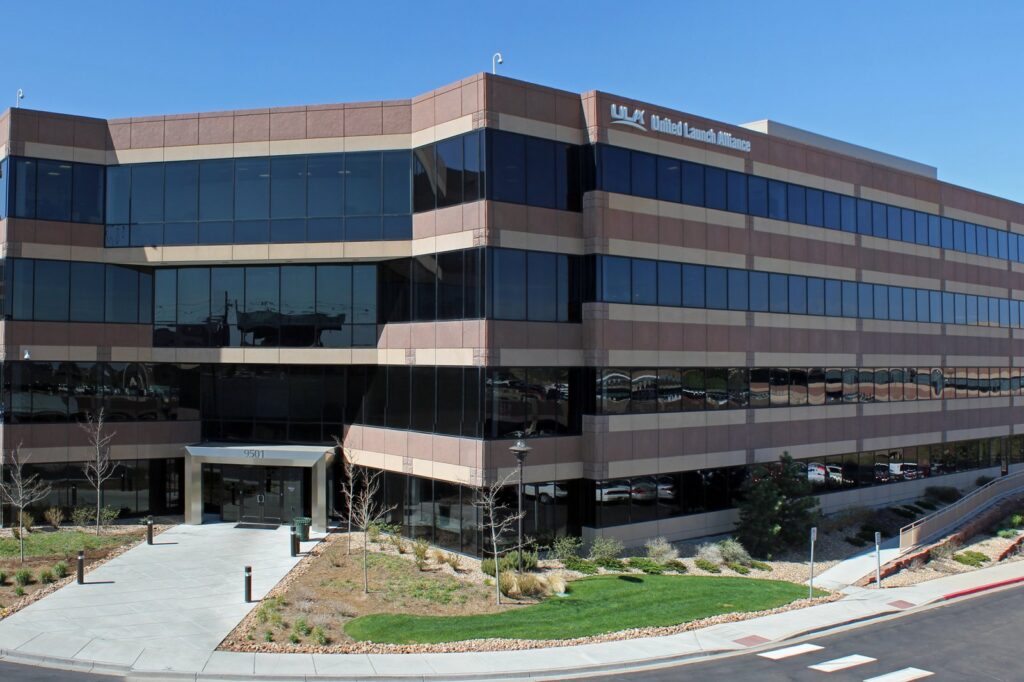
Photo: Jeffrey Beall (CC BY 3.0)