ANTALYA, November 14, 2026 — The Paris Agreement’s 1.5°C warming target is now unattainable, scientists and officials say, as global emissions continue to rise and major economies falter in their commitments.
A Missed Target
Signed in 2016, the Paris Agreement aimed to limit global warming to well below 2°C, preferably 1.5°C, above pre-industrial levels. However, data shows that global temperatures have already exceeded the 1.5°C threshold for two consecutive years. Scientists now predict a likely warming of at least 2.6°C by 2100, rendering the 1.5°C goal unattainable without drastic action.
Challenges in Emission Reductions
Progress in slowing global warming has stalled over the past five years, according to the Climate Action Tracker. While the EU has set ambitious goals, including a 55% emission reduction by 2030 and climate neutrality by 2050, other major emitters have faltered. The U.S. withdrew from the Paris Agreement again in 2026, and Brazil excluded emission reduction plans from negotiations at COP30, deepening faultlines in climate talks.
Impact on Vulnerable Nations
Small island nations, like Seychelles, face existential threats from rising seas and extreme weather. These countries, which contribute little to global warming, are urging stronger UN action and calling for urgent financial support to address the damage they are already experiencing.
Calls for Renewed Commitment
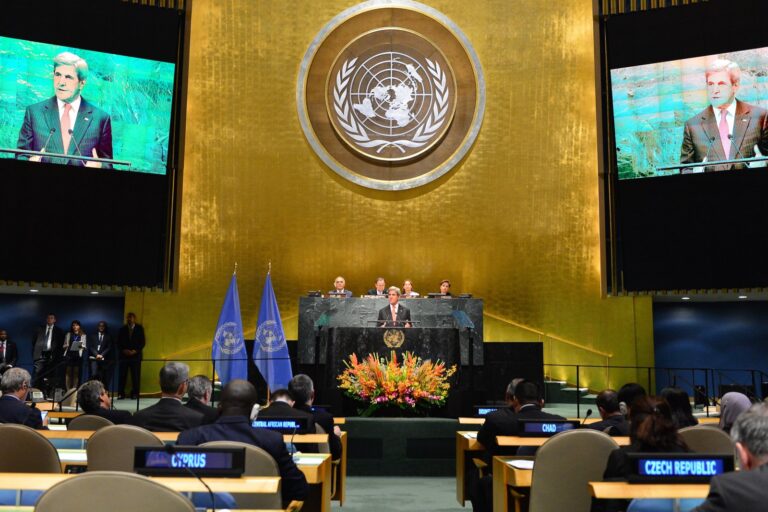
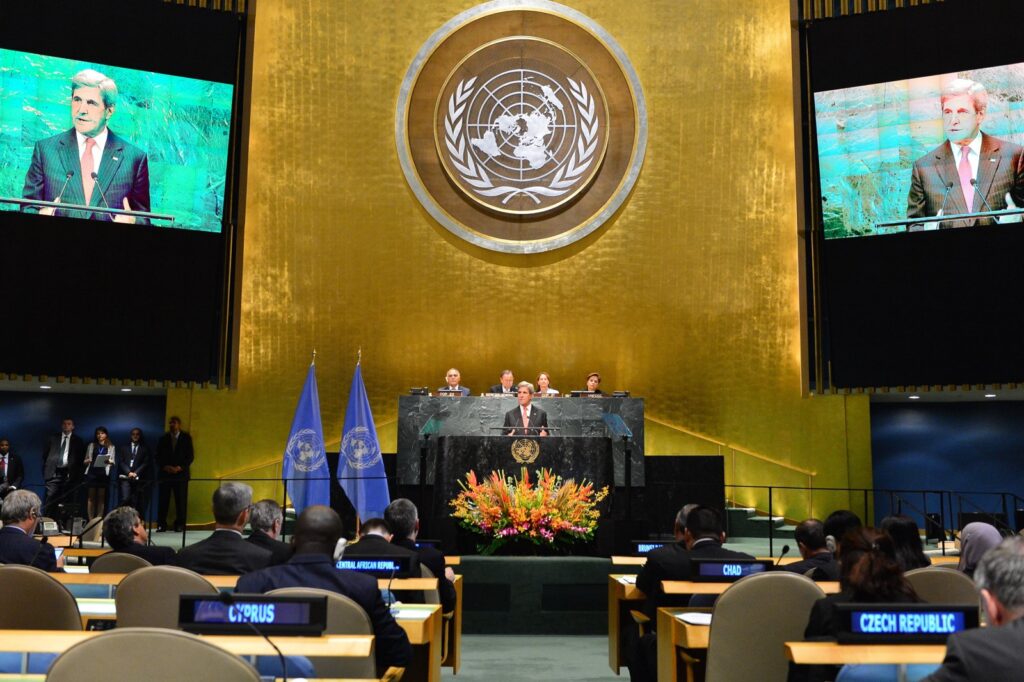
At COP31 in Antalya, leaders are highlighting the growing gap between pledges and actions. The absence of key leaders, including those from the U.S., China, and India, underscores the challenges in achieving global consensus. Officials are calling for renewed commitments and concrete plans to reduce emissions, emphasizing the need for international cooperation to address this global challenge.
Future Prospects
To achieve the Paris Agreement’s goals, significant changes are needed in how energy is produced and used, and in industrial and agricultural practices. The EU’s experience shows that while progress is possible, it requires sustained effort and investment. As the world grapples with the realities of climate change, the focus must shift from pledges to actionable, measurable steps that can deliver meaningful reductions in global emissions.
The next scheduled COP meeting will be crucial in determining whether the international community can regain momentum and take the necessary steps to mitigate the worst effects of climate change.
Sources
- Paris Agreement
- What’s the point? Ten years after the Paris treaty, are climate talks getting anywhere?
- A Key Paris Agreement Goal Is Dead. What Now?
- Climate change mitigation: reducing emissions
- Leaders urge UN climate action | Arkansas Democrat Gazette
- As the world's calamities converge climate talks tread water
Photo: U.S. Department of State from United States (Public domain)