A surge in global gold prices has fueled a boom in artisanal and small-scale mining (ASM), a sector now directly responsible for an estimated 40.5 million people worldwide. While this informal economy provides critical income for millions, it has also become a driver of severe environmental damage and a vector for organized crime, leading to regulatory crackdowns with profound regional consequences.
The Scale and Structure of Artisanal Mining
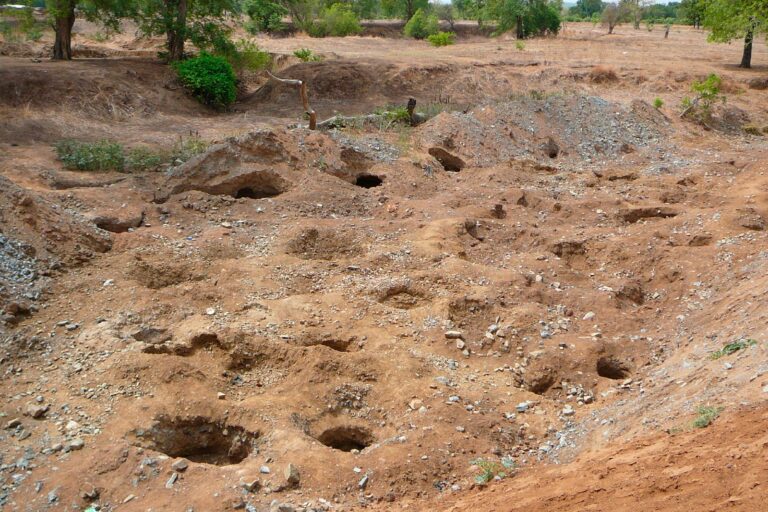
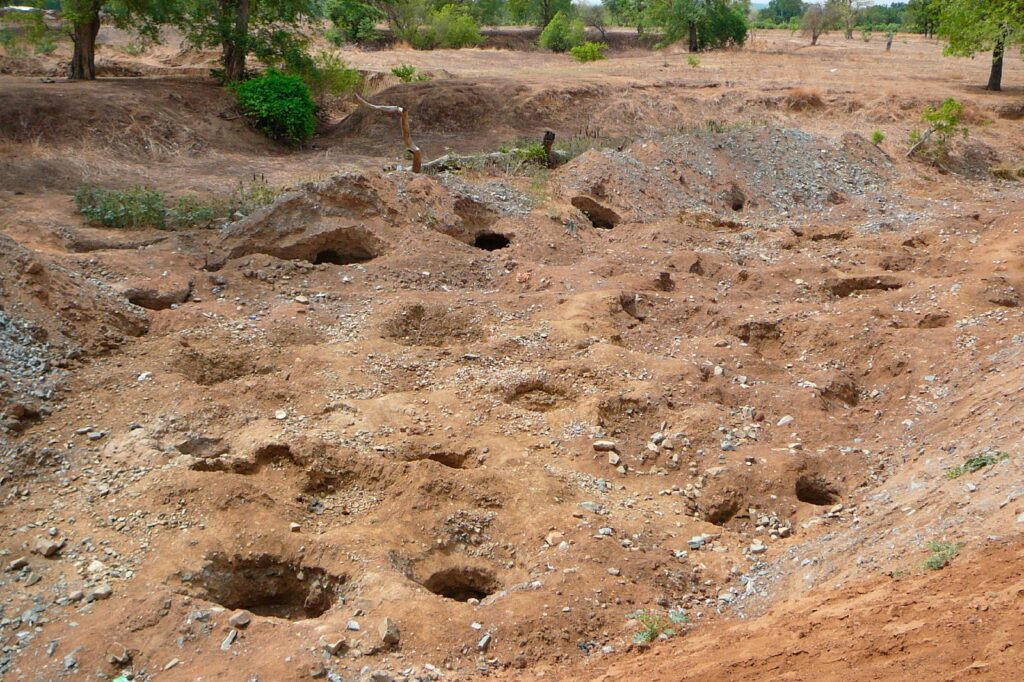
Artisanal and small-scale mining (ASM) covers a wide spectrum of operations, from manual subsistence mining using simple tools to semi-mechanized operations employing light machinery like generators and water pumps. Unlike large-scale mining, ASM is characterized by less efficient extraction of pure minerals and operates within the informal economy. Miners generally use their own resources and are not officially employed by a mining company, instead working in small teams under a customary system that includes a manager and both skilled and unskilled labor. This sector is a vital, if precarious, socio-economic lifeline for the rural poor in many developing nations.
Environmental Devastation in the Amazon
Nowhere is the environmental toll of ASM more visible than in the Amazon, where small teams of miners rely on a highly toxic process to extract gold. They use mercury, a powerful neurotoxin, to coax flakes of gold from the soils and sediments along the river tributaries. This practice wreaks havoc on the forest ecosystem, poisoning the air, water, and soil and posing a direct threat to Indigenous communities and the biodiversity of the region. The process, more reminiscent of the 19th-century California gold rush than modern industrial mining, is a primary driver of deforestation and mercury pollution in the Amazon basin.

Organized Crime and the Gold Price Surge
The economic stakes have been dramatically raised by soaring global gold prices, which surpassed $5,000 an ounce earlier this year. This price surge has attracted organized crime networks, which have hijacked the illegal marketplace, according to Luis Fernandez, a research professor of biology at Wake Forest University. The remote nature of mining sites makes them difficult for law enforcement to police, creating what Fernandez describes as a “lucrative, low-risk venture for bad actors from around the globe”. These criminal enterprises generate profits that not only cause further environmental damage and mercury pollution but also fund illegal activities on an international scale.
Regulatory Crackdowns and Humanitarian Fallout
In response to the environmental damage, governments are increasingly cracking down on illegal ASM. On November 2, Guinea banned artisanal gold mining in the Siguiri region, citing environmental degradation including the pollution of agricultural land, rivers, and vegetation cover. The enforcement of this ban has proven deadly. Clashes erupted in the town of Balato on November 13 when security forces conducting patrols against illegal mining met protesters who had erected barricades. The violence resulted in at least 10 deaths and 13 injuries, according to Guinea’s Ministry of Territorial Administration.
The ban has also triggered a significant regional displacement. Mali reported that around 100,000 people arrived in its capital Bamako and nearly 60,000 more in the border town of Kouremale after being forced to leave Guinea. Similarly, Burkina Faso repatriated 45,406 of its citizens who were displaced by the mining ban. These numbers highlight the human cost of regulatory action, as entire communities dependent on the informal mining sector are uprooted.
Ethical Sourcing and the Quest for Local Value
A major challenge facing the global market is ensuring ethical sourcing from the ASM sector. In Africa, where many artisanal miners are women, a significant value gap exists. These miners often lack market knowledge and the technical skills in gemstone grading, cutting, and polishing, forcing them to sell rough stones at minimal prices to brokers. This dynamic prevents local communities from capturing the full value of their resources. Efforts to address this, such as the Africa Gemstone, Jewellery Exhibition and Conference (AGJEC), aim to empower women miners by providing platforms for direct sales and technical training, fostering a shift toward local value addition in the mineral supply chain.
Sources
- Artisanal mining
- Will the new gold rush push the Amazon to its tipping point? | Wake Forest News
- At least 10 killed in Guinea clashes over gold mining ban
- : Burkina Faso: Arrival of over 8,000 Burkinabè gold miners from Guinea, government announces reorganization of the artisanal mining sector**
- 10 killed in clashes in Guinea after artisanal mining ban
- The Africa Gemstone, Jewellery Exhibition and Conference (AGJEC) 2024
Photo: Mozhgon Rajaee, Samuel Obiri, Allyson Green, Rachel Long, Samuel J. Cobbina, Vin (CC BY 4.0)