Rocket Lab is set to launch a radar imaging satellite for Tokyo-based Synspective on November 26, 2026, lifting off from New Zealand during a window that opens at 7:00 p.m. ET — Thanksgiving Day in the United States. The mission, titled “Night Owls Never Sleep,” marks the company’s 101st overall and its 14th dedicated flight for the Japanese Earth-observation firm.
The Holiday Window
Launching on a major US holiday underscores the logistical precision required to maintain a high cadence when customers span multiple time zones. The Electron rocket is scheduled to deploy the Strix satellite into a low Earth orbit 569 kilometers above the planet. Synspective’s spacecraft use synthetic aperture radar to image the Earth’s surface through cloud cover and in darkness, a capability that drives demand for rapid, reliable access to orbit regardless of the calendar.
Scaling for a Record Backlog
The Thanksgiving flight is a single data point in a much larger trajectory. Rocket Lab reported $268 million in third-quarter revenue, a 72.7% increase from the previous year, with the majority generated by its Space Systems business rather than launch services alone. The company’s backlog swelled by $1.2 billion in the quarter, reaching record highs. According to financial filings, the company booked 16 new launch contracts in the period, reflecting what one analyst described as a “capacity constrained market” where proven providers are scarce.
The Synspective Contract
The Synspective relationship illustrates the scale of the current manifest. A deal announced in September added 20 Electron missions between 2028 and 2031, the largest commercial launch contract in the rocket’s history. That agreement brought Synspective’s total contracted flights to 47. The constellation aims to eventually image any location on Earth at intervals of just a few hours, a goal that requires a launch rhythm undisturbed by holidays or seasonal slowdowns.
Pricing Power and the Falcon 9 Gap
The backlog growth coincides with a shift in market dynamics. Rocket Lab plans to increase Electron rocket pricing within six to nine months, citing limited availability of SpaceX Falcon 9 rideshare opportunities. The company inked nearly $1 billion in new launch contracts in the third quarter alone, with more than half of that value tied to its larger Neutron rocket, which has yet to fly. Chief Executive Peter Beck noted the contracts came from customers including radar satellite operator Iceye, space data-center company Starcloud, and the U.S. Space Force.
The Neutron Variable
Neutron represents the next layer of Rocket Lab’s logistics challenge. The company has delayed the rocket’s initial launch to 2027, pushing back from a previous target. Development spending on the vehicle will remain elevated until it flies. Yet the contract momentum for a rocket still on the ground — $515 million in Neutron deals in a single quarter — suggests customers are betting on the provider’s track record with Electron to secure future capacity in a tight market.
The “Night Owls Never Sleep” mission is the 92nd orbital flight for the Electron rocket; the other nine missions in the 101 total have used HASTE, a suborbital variant for hypersonic testing.
Sources
- Rocket Lab sending Japanese satellite to orbit on Thanksgiving Day launch: Watch it live
- Rocket Lab (RKLB) Stock Could Be Overvalued On Record Backlog Growth
- Buying Back Rocket Lab After Mizuho’s New Price Target
- Why Did Rocket Lab Stock Fall Again?
- Rocket Lab Just Raised Prices on a Rocket It Hasn't Launched Yet. Here's What That Means for SpaceX. | The Motley Fool
- Rocket Lab shares fall nearly 6% as bearish pressure mounts below key moving averages
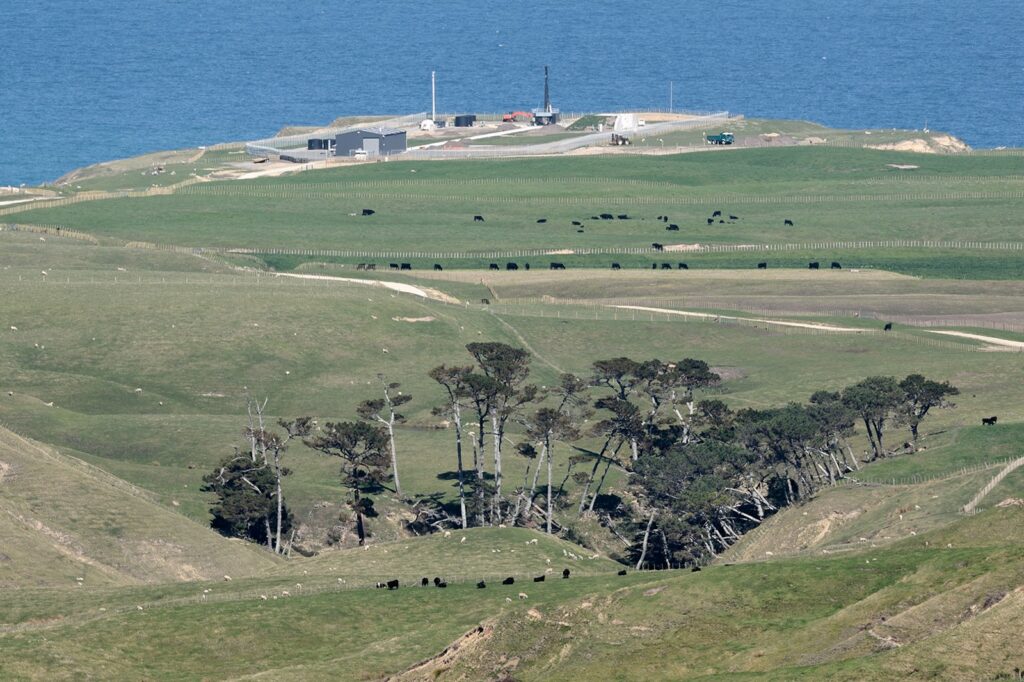
Photo: Grumpy Eye (CC BY-SA 2.0)