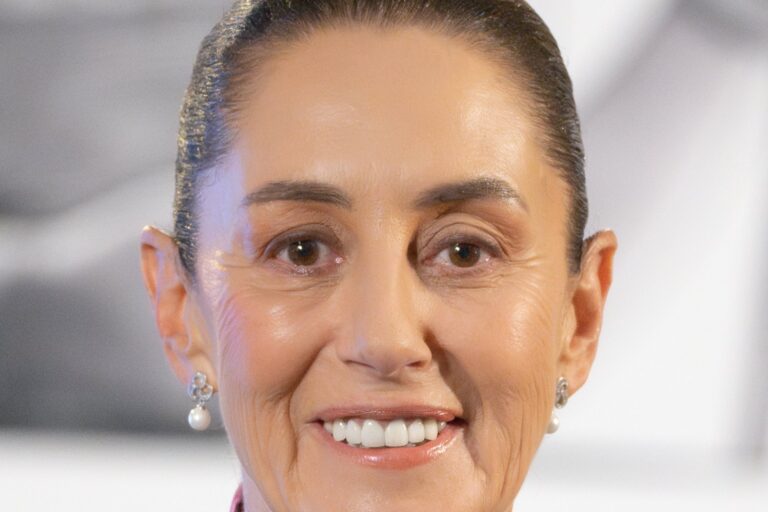
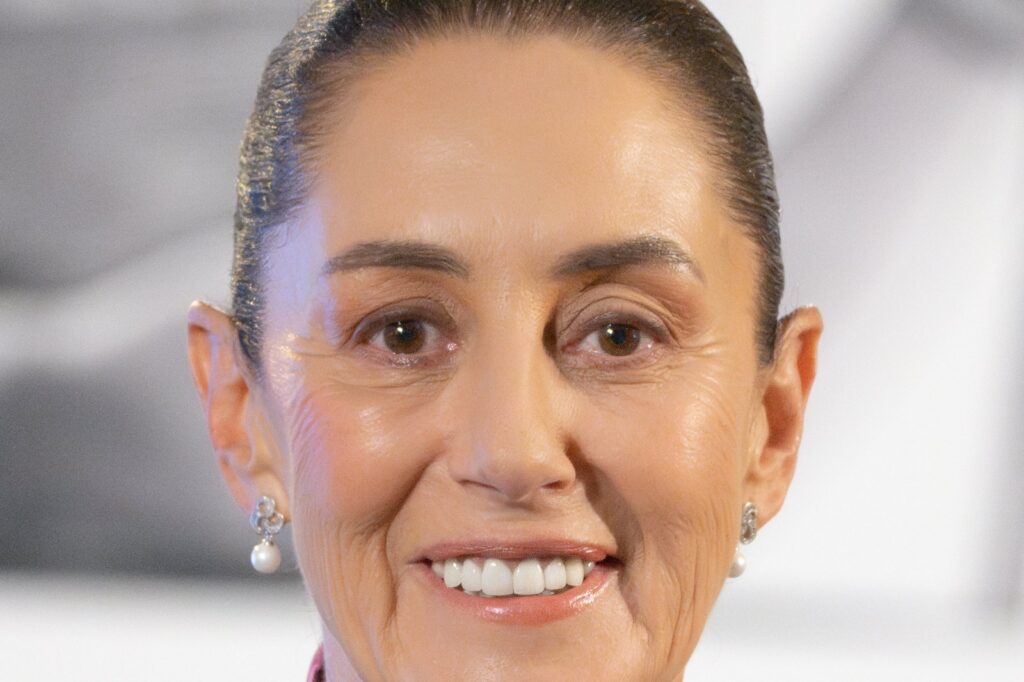
MEXICO CITY, November 27, 2026 — Mexican President Claudia Sheinbaum announced her administration intends to discuss SpaceX launch frequencies with the United States following debris from a rocket test washing ashore on Tamaulipas coasts.
Debris and Diplomacy
Fragments began arriving at Bagdad Beach near Matamoros in Tamaulipas after a Starship booster exploded over the Gulf of Mexico. Environmental group Conibio Global reported finding at least 1,500 fragments, including plastic, rubber, and adhesive. Mexico’s Federal Attorney’s Office for Environmental Protection (Profepa) collected and secured approximately 5.9 kilograms of debris.
President Sheinbaum stated that takeoffs from Starship require using a portion of Mexican airspace, which needs clearance from Mexico’s aeronautical authority. Sheinbaum said a meeting with the U.S. Embassy has already taken place to address the matter government-to-government.
Airspace and Expansion
Mexican authorities are seeking a diplomatic meeting to establish airspace use permits, flight frequency, and potential relocation of the launch site. SpaceX is considering an increase to up to 400 or 456 flights per year at its Starbase facility in Texas. Sheinbaum noted that such an increase could affect air traffic due to the restrictions applied during each takeoff.
SpaceX disputed that the collected material is clearly linked to its operations. The company stated that partners on the ground relayed they have found very little debris and what was found is not clearly from SpaceX operations. SpaceX also said it remains in contact with Mexican officials.
Sources
- Sheinbaum to press US on SpaceX launches after Starship debris hits Tamaulipas beaches
- Mexico demands SpaceX clean up suspected rocket debris washing ashore near Texas
- Mexico Requests Meeting with US to Regulate SpaceX Flights and Airspace Use
- Mexico Seeks U.S. Talks Over Suspected SpaceX Debris
- Mexico seeks US talks about suspected SpaceX debris
Photo: Eneas De Troya (CC BY 2.0)