Tech executives are declaring that the technological singularity has arrived, while researchers point to hard limits in computing power and energy that suggest the moment has not yet come. The split centres on whether current AI progress represents the start of an uncontrollable intelligence explosion or simply another steep step in a long development curve.
The Claims From Silicon Valley
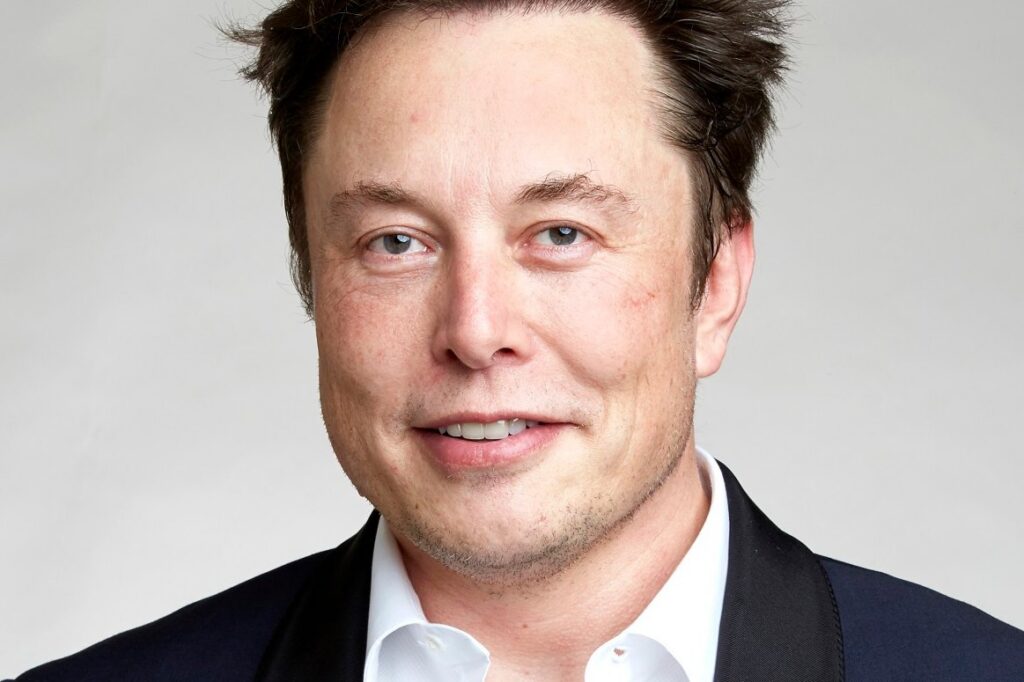
In August, Stripe cofounders Patrick and John Collison wrote to investors that the world entered the singularity on January 1st. “As of January 1st, the world had entered the singularity, and we have since been operating on that basis,” the letter stated, according to Fortune. Elon Musk said in January that “we have entered the singularity,” and repeated the claim in November on X, writing: “An unequivocal superintelligence has arrived. Welcome to the Singularity.” OpenAI CEO Sam Altman concurred during a July podcast appearance, saying he had been waiting for this his whole life. Anthropic cofounder Jack Clark told the International Monetary Fund in October that the singularity had begun this year. Google DeepMind chairman Demis Hassabis offered a more measured take, telling a Stanford University podcast that humanity is in the “foothills of the singularity.”
Origins and Definitions
The mathematician and science fiction author Vernor Vinge first popularised the notion in a 1993 essay. He described the singularity as the advent of “technological entities” with “greater than human intelligence” that would drive progress ever faster, creating still more intelligent entities. Vinge saw it as “the point where our models must be discarded and a new reality rules.” Mathematician I. J. Good described the mechanism behind it in 1965: an “intelligence explosion” where self-improving machines design their own successors in a tightening feedback loop. Futurist Ray Kurzweil picked up the term in his 2005 book The Singularity Is Near, forecasting the moment for around 2045 and adding that humanity would transcend biological limits through nanotechnology and brain-computer interfaces. Musk and Altman have also spoken of merging with computers as a necessary response to superintelligent machines.
Arguments and Self-Improving Feedback Loops
The executives’ case rests on the idea that AI systems are now helping to build their own more advanced successors, speeding up research and technological development. This is the feedback loop Good described six decades ago. OpenAI’s Chief Scientist Jakub Pachocki has put numbers to it. In a technical essay titled Perplexity and Intelligence, he revealed internal “log-perplexity” measurements, an indicator of a model’s predictive ability during pre-training. Pachocki wrote that crossing the 0.76 threshold has already allowed an AI model to produce unprecedented results in mathematics. He estimates that from 2027, artificial intelligence could actively participate in algorithmic research and trigger an avalanche of faster fundamental advances. Pachocki warns that current auditing methods risk degrading in front of such models and calls on leading laboratories to agree on common limits not to be crossed while monitoring tools remain inadequate.
Skepticism Regarding Computing and Energy Bottlenecks
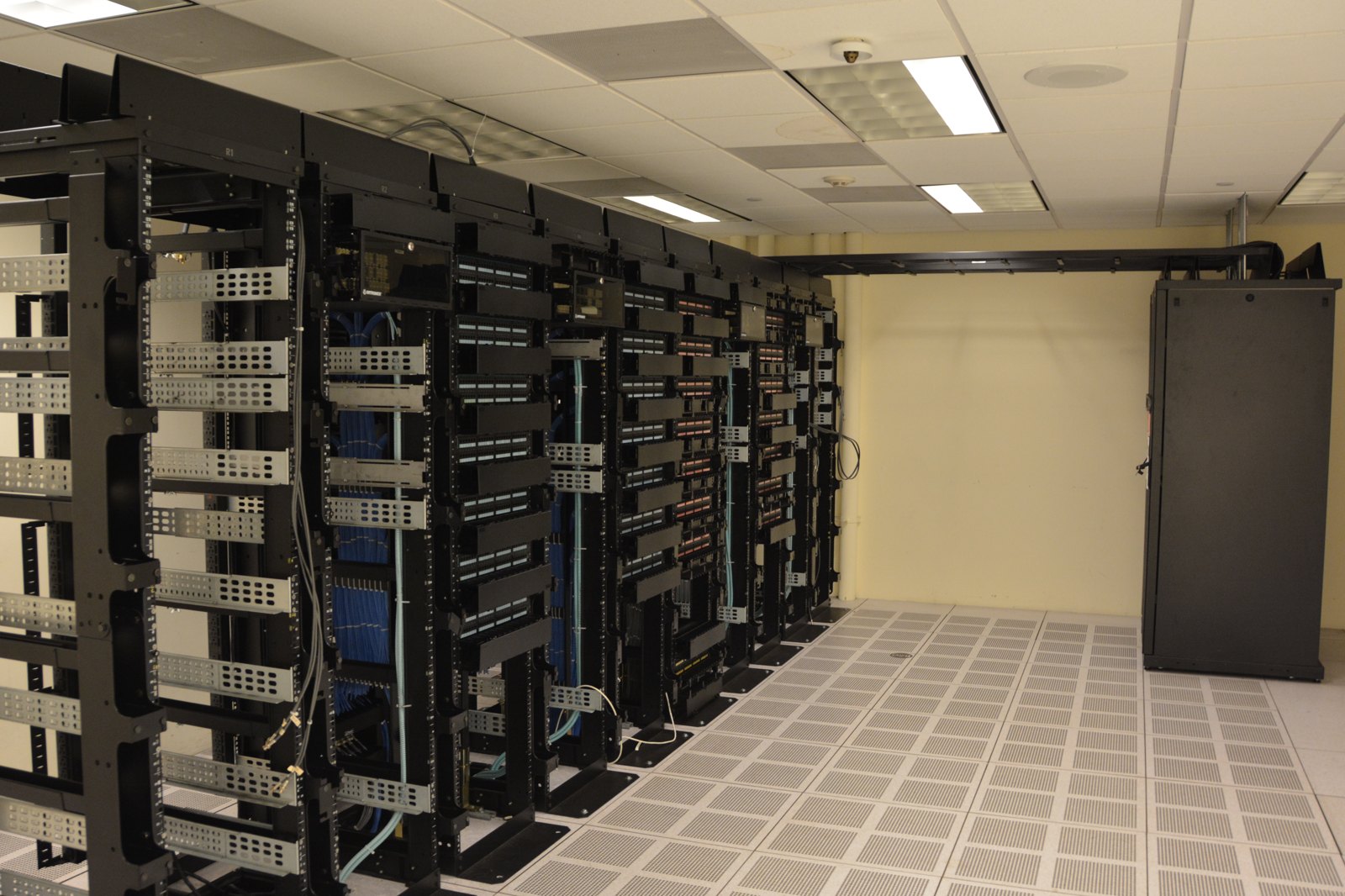
Many researchers remain unconvinced that the singularity has arrived. They note ongoing limits: AI systems still face bottlenecks in available computing power and energy. For many, the singularity remains a theoretical threshold rather than a lived reality. The debate continues inside the tech sector, with some prominent founders sharing Musk’s belief while others urge caution. Several researchers say it is not yet clear how close society actually is to a full intelligence explosion or what its consequences might be.
Calls for Safety Limits and Regulatory Caution
The political response is organising in Washington. On November 22, 2026, US Senator Bernie Sanders issued a call titled “PAUSE ADVANCED AI DEVELOPMENT BEFORE IT’S TOO LATE.” He urged the Democratic majority to slow down Big Tech giants and called for a national moratorium on the construction of data centers and a pause on advanced AI development. Pachocki’s warning about a possible algorithmic acceleration starting in 2027 adds technical weight to the political pressure for guardrails before the feedback loop tightens further.
Sources
- Welcome to the singularity | Fortune
- Elon Musk says singularity has begun, sparking debate
- Elon Musk Announces the Singularity AI but OpenAI Warns About 2027
- Cai Fang: AGI is inevitable; economic crisis is not
- Should Singapore Defence Partnership Require Action From SentinelOne (S) Investors?
- The World Is Not Ending. What Is Being Rewritten Is the "Decoder" — Reading the Singularity Through Physics, AI, and Mode of Exchange D|sishou
Photo: Debbie Rowe (CC BY-SA 3.0)