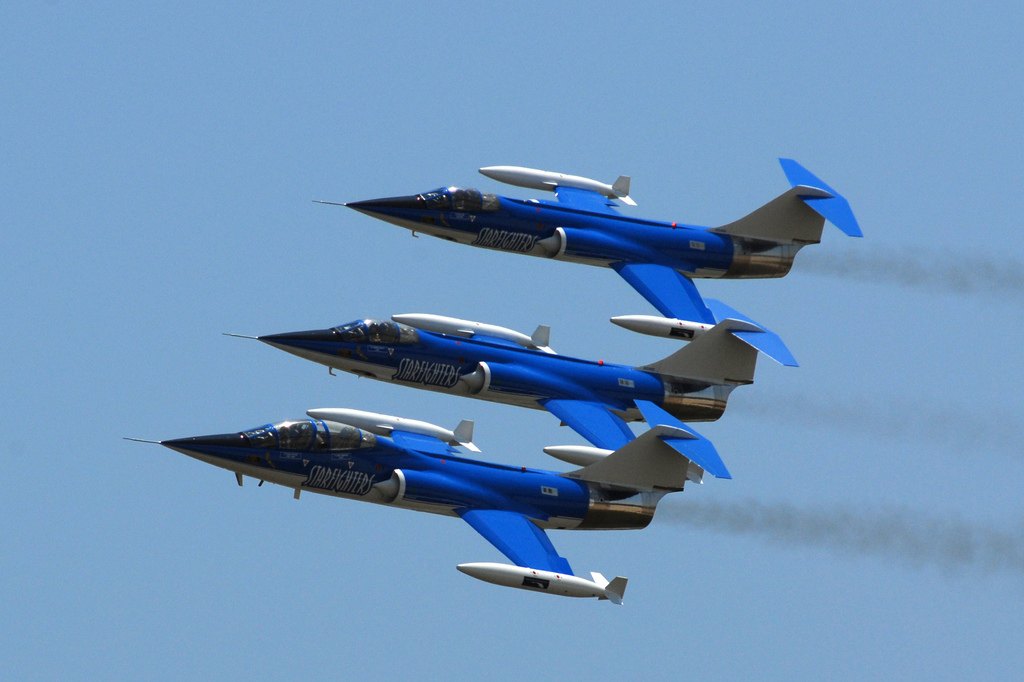
CLEARWATER, October 22, 2026 — Starfighters Space plans a captive‑carry test of its Starlaunch 1 suborbital vehicle on an F‑104 Starfighter this December, a step that could reshape how small satellites reach orbit.
From Air Shows to Air‑to‑Orbit
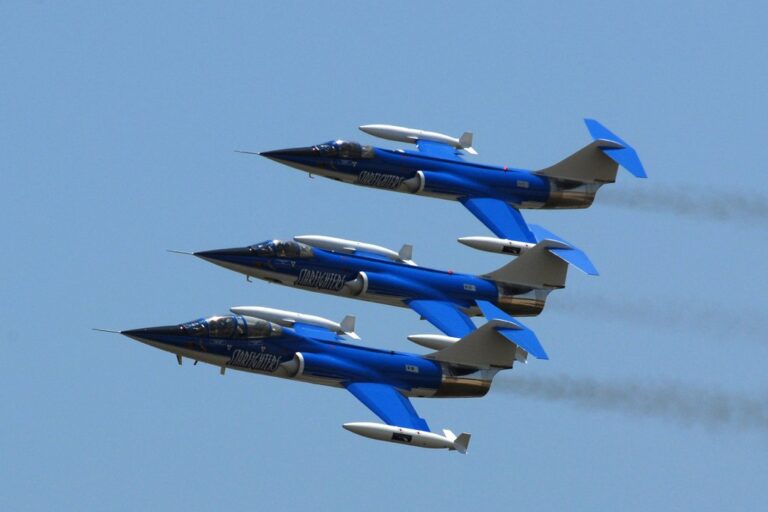
The story begins in 1995, when Rick Svetkoff founded Starfighters in Clearwater, Florida, to restore three former Canadair CF‑104 Starfighters for air‑show performances across North America. Over the next two decades the fleet grew, and the company shifted from entertainment to contract work, providing high‑performance chase planes, enemy‑aircraft simulators and ballistic‑missile modeling for government and private customers. By the 2010s the business had become a niche provider of specialized flight services.
In late 2025 the owners created a new division, Starfighters Space, aimed at using the same supersonic jets as launch platforms for small satellites and other payloads. An initial public offering raised $40 million from 11 million shares, giving the venture the capital to move from ground‑based testing to flight demonstrations. The leadership change in February 2026 saw Tim Franta, who had served as vice‑president of development since October 2022, replace Svetkoff as chief executive officer.
How the Star Launch Platform Works
Starfighters Space’s approach differs from traditional launch providers by mounting a rocket beneath a supersonic aircraft and releasing it at altitude. The F‑104 Starfighter can cruise above Mach 2, providing a “Wind Tunnel in the Sky” that mimics the high‑speed, low‑density conditions a rocket would encounter after a ground launch. By starting a mission at roughly 12 kilometres altitude and at a velocity of more than 2 000 metres per second, the rocket needs less propellant to reach orbit, allowing a smaller, cheaper vehicle.
In practice the launch sequence begins with the rocket secured under the wing of the carrier aircraft. During a captive‑carry test, the vehicle remains attached for the entire flight, allowing engineers to verify structural loads, aerodynamic interactions and the aircraft‑rocket interface. Future flights will add a separation event, followed by ignition of a hybrid rocket motor under development by Vaya Defense & Space. Each step is designed to collect data for the Federal Aviation Administration and the U.S. Space Force, building a regulatory and technical foundation for operational air‑launch services.
Flight‑Testing Milestones
The first major flight‑testing phase involved under‑wing and separation trials, which Starfighters Space has already completed on the ground and in wind tunnels. The captive‑carry mission scheduled for December 2026 will be the first time the Starlaunch 1 airframe flies attached to an F‑104. The hardware, ordered from Italy’s Robby Moto Engineering, arrived at the company’s hangar at NASA’s Kennedy Space Center in November and has been assembled for the test.
Director of Flight Operations Piercarlo Ciacchi describes the December flight as “step one of a multi‑flight campaign,” intended to validate flight‑deck procedures, capture aerodynamic data and demonstrate compliance with FAA safety standards. After the captive‑carry flight, Starfighters Space plans a drop test over the Atlantic Ocean, then a powered‑flight demonstration that will integrate the hybrid motor. The data gathered will also inform the design of Starlaunch 2, the next iteration of the vehicle.
Economic and Market Implications
Launching from a supersonic aircraft offers clear economic advantages for small‑payload customers. By reducing the rocket’s mass and complexity, Starfighters Space can lower launch costs and shorten the lead time between payload integration and flight. The company targets a market that includes commercial satellite operators, academic research groups and defense programmes seeking affordable, flexible access to space.
Traditional ground‑based launchers require large, fixed infrastructure and long scheduling windows, which can be prohibitive for missions under 500 kilograms. An air‑launch system can operate from multiple airfields, such as the Kennedy Space Center and the FAA‑licensed Cecil Spaceport in Jacksonville, providing geographic flexibility and the ability to respond quickly to customer needs. This “on‑demand” capability aligns with the growing demand for constellations of small satellites that support communications, Earth observation and scientific experiments.
From a cost perspective, the reduction in rocket size translates into lower material and manufacturing expenses. While Starfighters Space has not disclosed specific price points, the company’s emphasis on “affordable and accessible options” suggests a pricing model that competes with other small‑sat launch services. The incremental development approach—building hardware, integrating, flying, collecting data, then advancing—helps manage risk and keep development budgets in check.
Looking Ahead
December’s captive‑carry flight will be a decisive moment for Starfighters Space. Successful validation of the aircraft‑rocket interface will pave the way for separation tests and, eventually, operational launches that could offer a new pathway for small‑satellite deployment. The company’s strategy of using existing supersonic aircraft, rather than developing new launch vehicles from scratch, demonstrates a pragmatic use of legacy technology to meet modern space‑access needs.
If the upcoming tests proceed as planned, Starfighters Space could become a regular provider of flexible, low‑cost launch services, complementing ground‑based providers and expanding the overall capacity of the small‑sat market. The approach also offers defense customers a rapid, secure method to test hypersonic and propulsion technologies in real‑world conditions—a capability that aligns with broader national security interests in high‑speed flight research.
For now, the aerospace community will watch the December mission closely. The data collected will not only shape Starfighters Space’s next vehicle but also contribute to a deeper understanding of how air‑launch platforms can alter the economics and accessibility of space. As the company moves from design to flight, the promise of a “Wind Tunnel in the Sky” may soon become a routine part of how humanity places small payloads into orbit.
Sources
- Starfighters Space CEO Tim Franta on Using Jets to Launch Payloads into Space
- Starfighters Space
- Starfighters Space Will Test Starlaunch 1 Suborbital Development Vehicle on an F-104 in December
Photo: Jenningsdavidl (CC BY-SA 3.0)