
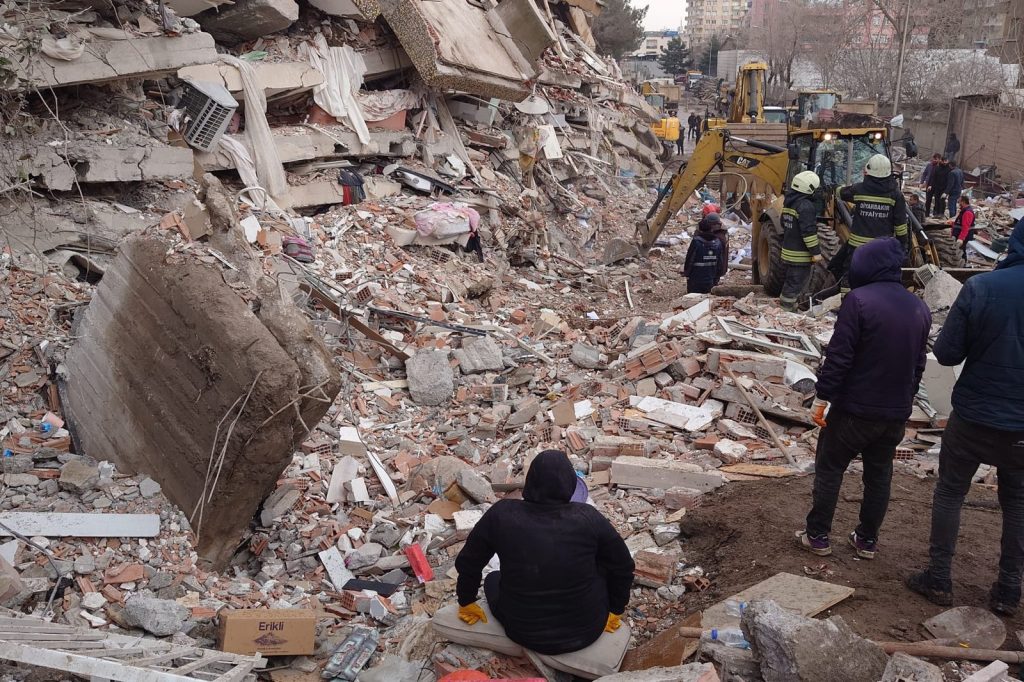
The February 6 earthquakes that devastated parts of Turkey and Syria prompted pledges from at least 105 countries and 16 international organizations. While that number appears substantial, the actual delivery of assistance has been markedly uneven.
The immediate search and rescue phase was rapid, with more than eleven nations dispatching teams and trained dogs to locate survivors beneath collapsed structures in freezing temperatures. That initial period of frantic rescue work has ended, revealing a recovery phase where promised funds have not translated into equal support for all victims. Turkey received a robust influx of aid, benefiting from years of cultivating disaster diplomacy. Nations with frequent disagreements set aside political differences to send money and supplies, resulting in a coordinated relief operation in southern Turkey.
Syria experienced a starkly different outcome. International sanctions against the Assad government created legal obstacles for aid organizations, with donors wary of violating restrictions.
The Syrian government further constrained humanitarian operations, particularly in areas outside its control. Field reports describe the outreach to Syria as “less enthusiastic”—a diplomatic phrasing for the reality that aid was slow, obstructed, or never reached those in need. In northwest Syria, millions of displaced people were already living in camps before the earthquake, having fled previous conflicts and disasters.
When the ground shook, they had no remaining refuge. The buildings that collapsed were often their only shelters.
Search and rescue teams that could have reached them were delayed by border politics and bureaucratic procedures. This illustrates the complex nature of humanitarian response, which depends not only on generosity but also on logistics, sovereignty, and governmental willingness to permit aid across drawn lines. The international community demonstrated the ability to act quickly when political will exists, as Turkey’s experience shows.
Syria’s experience demonstrates the opposite. Months after the quake, families in Syria remain in tents.
Reconstruction has barely commenced. Pledged money has not fully arrived. Sanctions remain in place.
Government restrictions have not eased. Each delay compounds the damage.
Earthquakes do not respect borders or sanctions; they strike the ground and people die. The global response revealed what is achievable when nations cooperate and what happens when they do not. The difference between Turkey and Syria is not geological but political.
For those buried under rubble in Idlib, that distinction was meaningless. For international aid workers trying to reach them, it was everything.
The 2023 earthquakes exposed a system that works effectively for some victims and barely at all for others—a failure not of logistics but of will.




