
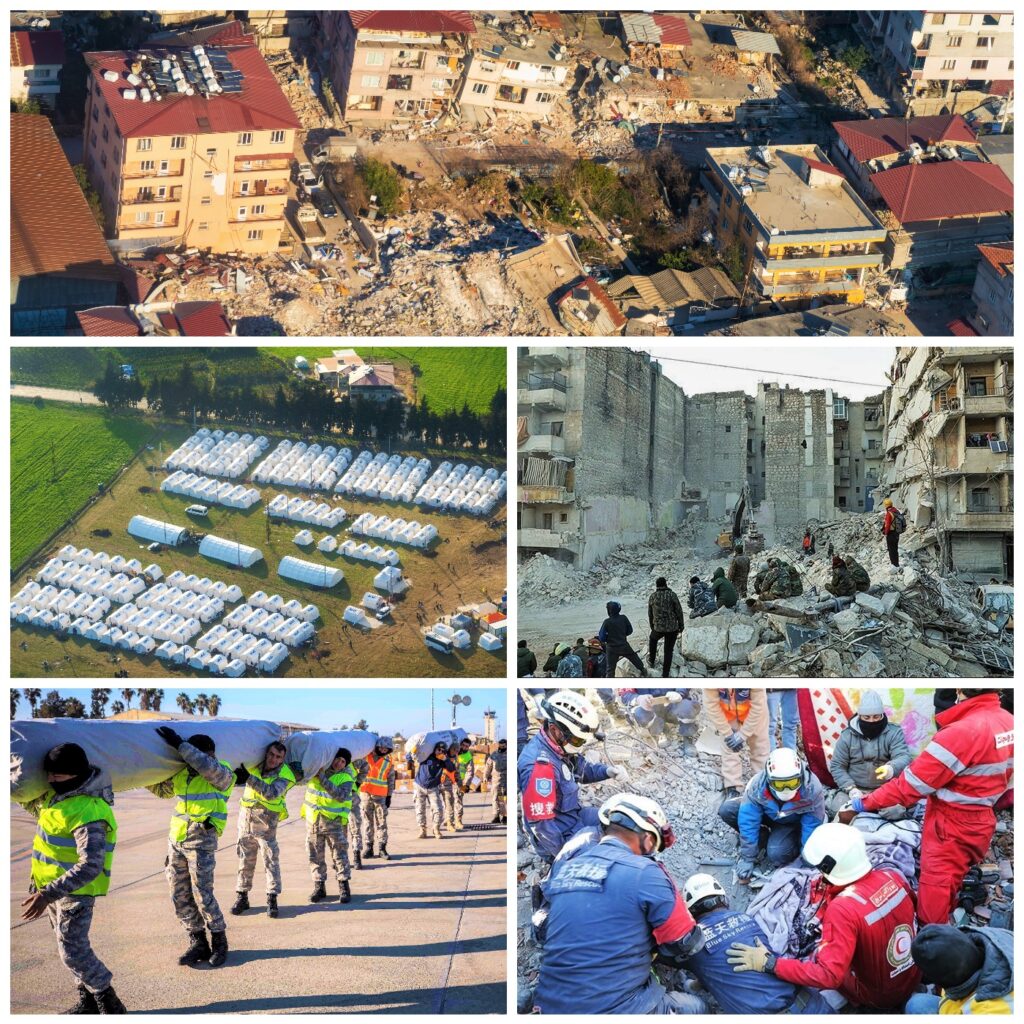
Following the devastating earthquakes that hit Turkey and Syria on February 6, 2023, a total of 105 countries and 16 international organizations have stepped forward to offer assistance. This widespread mobilization underscores a global commitment to humanitarian relief, with numerous nations setting aside political tensions to deliver critical aid. Turkey, in particular, has attracted substantial international backing, a development linked to its established reputation in aid and disaster diplomacy.
A key element of the emergency response has been the rapid dispatch of search and rescue teams. More than eleven countries have contributed specialized units, including teams accompanied by rescue dogs trained to locate survivors trapped under collapsed structures.
This expertise has proven vital in the immediate hours following the quakes, as workers race to free those buried in the rubble. Alongside these physical deployments, many nations have also pledged financial support to assist both Turkey and Syria in their recovery efforts. While Turkey has received broad support, the international response to Syria has been more restrained.
Complicating factors include existing international sanctions on Syria and restrictions imposed by the Syrian government on humanitarian organizations. These obstacles have limited the ability of aid groups to operate effectively.
Consequently, the outreach to Syria has been described as “less enthusiastic” than that directed toward Turkey, as many countries struggle to reconcile their desire to provide aid with the need to adhere to sanction regimes. This has raised concerns about whether assistance will reach the most vulnerable populations, particularly those in areas outside government control. The global reaction to the earthquakes also exposes the complex geopolitical landscape of the region.
Turkey has managed to secure pledges from a wide spectrum of nations, including regional rivals and less wealthy countries, reflecting its strategic importance and diplomatic outreach in recent years. In contrast, Syria’s isolation has made it more difficult to receive necessary aid, with many nations hesitant to provide assistance that might be perceived as bolstering the government.
As international relief efforts continue, these geopolitical dynamics will remain a critical factor to monitor. The path to recovery is expected to be prolonged and arduous. Sustained commitment from the international community will be required to deliver humanitarian aid and support long-term reconstruction.
As the initial shock recedes, the challenge will be maintaining focus and resources. The response to the 2023 Turkey-Syria earthquakes serves as a significant test of the global community’s ability to unite in the face of disaster.
How nations navigate the competing demands of humanitarian need and political reality will shape the outcome for millions affected by this catastrophe.




