Think of a space helmet visor. Dust and debris hit it constantly, and a scratched visor is a safety problem. In the 1970s NASA scientists worked with the Foster Grant Corporation on a transparent, long-lasting coating that uses diamond-like carbon. It protected the visor and sharpened optical clarity. Not long after, it was adapted for everyday eyewear, and today it sits on most sunglasses and prescription glasses, as well as smartphone screens and car windscreens.
That is the pattern in TheCollector’s list of eight NASA inventions that changed daily life. Here is how the rest of the list works out.
Comfort and tools
Memory foam came out of the Ames Research Center in the 1960s, at the height of the space race. It was meant to make takeoff and landing of the Saturn V rockets more comfortable and safer for astronauts. The viscoelastic material compresses under pressure and regains its shape afterwards, soaking up impact energy. Hospitals now use it for patients during long convalescence, and it has spread into pillows, mattresses and home furnishings.
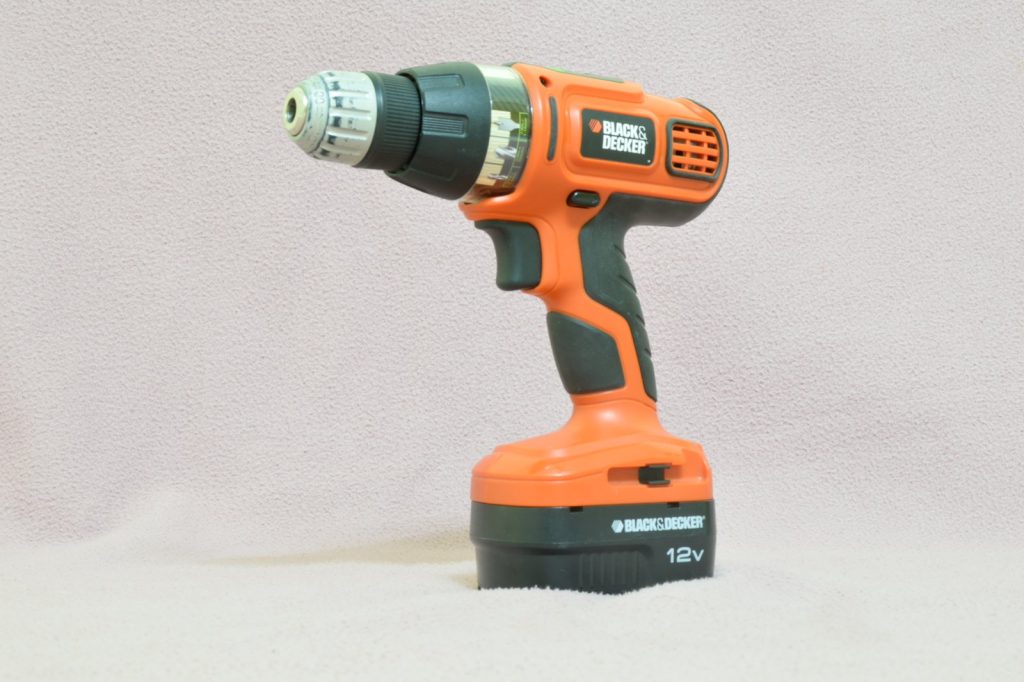
The cordless drill is the Apollo story. NASA needed a portable, battery-powered tool that worked in zero gravity so astronauts could gather rock and soil on the Moon. It partnered with Black and Decker. The motor design, running off a lightweight rechargeable battery, later fed saws, sanders and other handheld tools, and inspired the DustBuster handheld vacuum cleaner.
Water, light and heat
Every kilogram launched counts, and drinking water is heavy. So NASA developed the Environmental Control and Life Support System, which recycles wastewater through ion exchange, carbon scrubbing and electrolysis. Astronauts can drink water recovered from sources as unpleasant as human urine. The same ideas now help in developing countries where clean water is scarce, and in emergencies such as hurricanes or earthquakes.
Your phone camera has NASA roots too. The Jet Propulsion Laboratory was largely responsible for the CMOS image sensor, which began in the 1990s when engineers had to build a lightweight imaging system that ran on little power. Image capture and processing happen on a single silicon chip. That makes it compact and efficient, with faster processing and better low-light performance than older sensors.
Heat-resistant textiles made for space suits led to new materials such as polybenzimidazole, which tolerates extreme heat without burning, melting or falling apart. Firefighters now wear gear built on it, giving them more flexibility and flame resistance. NASA also helped firefighting crews modify the breathing apparatus first made to give astronauts a steady oxygen supply.
Medicine
NASA did not invent the cochlear implant for space work. Engineer Adam Kissah, who worked at the agency on miniature electronic devices during the 1970s, left and patented the implant in 1977. Its design drew on NASA’s push for small, low-energy electronics that track astronauts’ vital signs.
The agency’s laser work in the 1980s fed into LASIK eye surgery. Research on lasers for satellite tracking and communication influenced the precision and accuracy of the procedure, and NASA’s development of excimer lasers helped make it routine in ophthalmology. An excimer laser uses gases under high pressure to produce an ultraviolet beam of striking precision.