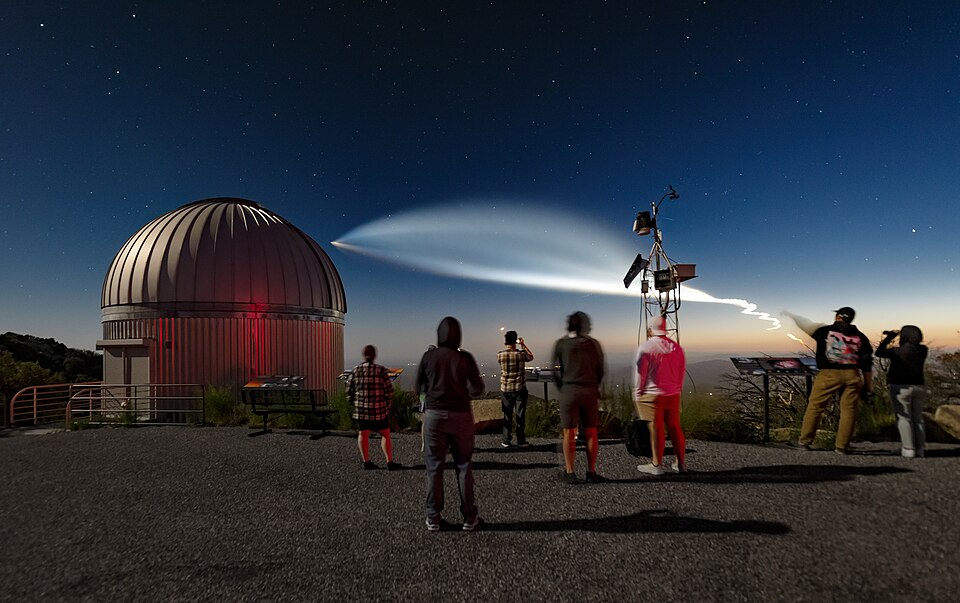
SpaceX guided 260 Starlink satellites out of orbit and into the atmosphere between December 2025 and May 2026. The company described the operation as planned maintenance of its internet network, not a reaction to any accident or emergency. Gadget Review reported that 176 of the craft were first-generation models and the remainder were Gen 2.
A further 349 satellites have already been taken out of service, SpaceX has said, and are waiting for the same disposal. Over the same period the constellation grew past 10,000 active satellites. In January the FCC approved another 7,500 Gen 2 units.
A built-in cycle
Each Starlink satellite is designed for roughly five years of service. At the end, it burns its onboard propellant to move into a lower orbit, and atmospheric drag finishes the job. SpaceX’s position is that the spacecraft burn up entirely and leave no orbital debris. Regulators have largely accepted that position.
The company’s stated target is as many as 42,000 satellites. It is also working on direct-to-phone service and additional computing capacity in orbit.
What scientists are asking
The objection is about what happens during the burn. Scientists say reentry can still release metal particles and aluminum oxides, in quantities that are not well understood. They note that the satellites do not need to reach the ground for that to matter.
Researchers outside the company are calling for more study of the cumulative effect of repeated reentries before the fleets grow larger. Their concern covers hundreds or even thousands of satellites burning up in the atmosphere each year.
The FCC proposal
The FCC has floated a proposal that would exempt space-based operations from review under the National Environmental Policy Act. According to Gadget Review, the argument is that these activities take place outside U.S. territory. The proposal has not been approved.
For Starlink users, the steady replacement is what keeps connections working. For everyone else, the open question is whether oversight of the atmospheric effects will arrive before the fleet reaches its target size.