
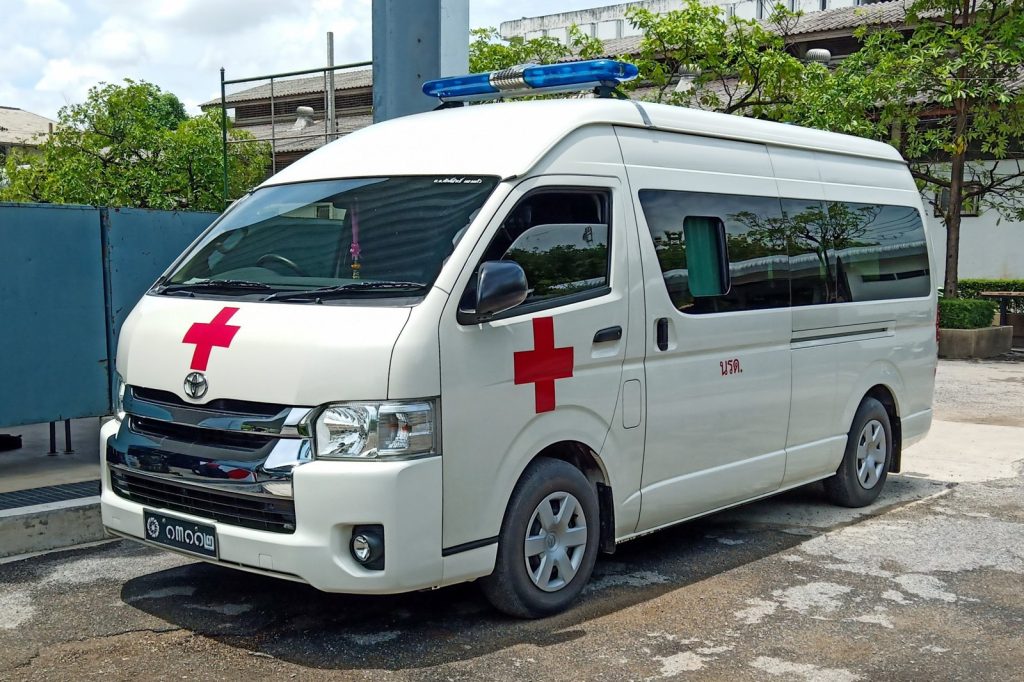
A tour bus struck a tree in Thailand’s Surat Thani province on 1 January 2025, resulting in five fatalities and thirty injuries. Emergency crews and local officials responded quickly, providing medical assistance and beginning an investigation into the cause of the crash.
Location and Context
Surat Thani, the largest province in Southern Thailand, lies on the western shore of the Gulf of Thailand. The area is celebrated for its natural attractions—mangrove forests, coral reefs, islands, beaches, waterfalls and national parks—that draw large numbers of tourists each year.
The province’s name, meaning “city of good people,” was bestowed by King Vajiravudh and reflects its cultural heritage.
Calls for Road‑Safety Improvements
The accident has reignited discussion about road safety in regions with heavy visitor traffic. Authorities are expected to examine the possibility of upgrading road infrastructure, tightening safety protocols for tour operators and enhancing the capacity of emergency services to reduce the risk of similar tragedies.
Economic and Environmental Profile
Tourism is a cornerstone of Surat Thani’s economy, supporting local businesses and employment. Alongside the tourism sector, the province hosts several renewable‑energy projects, including solar and wind farms that supply clean power and aim to lessen dependence on fossil fuels. These initiatives are viewed as drivers of job creation, economic diversification and environmental stewardship.
Balancing Growth with Sustainability
Stakeholders emphasize the need to protect the province’s delicate ecosystems while pursuing economic development. Preserving mangroves, reefs and coastal habitats not only sustains biodiversity but also safeguards fisheries and shoreline stability—critical resources for both residents and visitors.
Future Outlook
In the wake of the crash, community leaders and residents are expressing resolve to rebuild and to use the incident as a catalyst for safer, greener tourism. By investing further in renewable‑energy technologies and promoting eco‑friendly practices, Surat Thani aims to reduce its environmental footprint, bolster local economies and ensure that tourism benefits are shared more equitably.
Community Response
The tragedy has prompted a collective response from the province’s population. Families of the victims, injured passengers and local volunteers are receiving support through coordinated relief efforts.
The shared experience is fostering a sense of solidarity and a renewed commitment to protecting both human life and the natural environment.
Conclusion
The bus collision on New Year’s Day underscores the importance of stringent road safety measures in a province that relies heavily on tourism and is striving toward sustainable development. As investigations continue, Surat Thani’s authorities are expected to outline concrete steps to improve infrastructure, enforce safety standards and expand emergency response capabilities, aiming to prevent future accidents while maintaining the region’s reputation as a premier, environmentally conscious travel destination.




