
A fireworks explosion ripped through a residential home in Honolulu on New Year’s Day, killing three people and wounding more than twenty others. The blast, which occurred on January 1, 2025, has cast a somber tone over the city’s holiday celebrations and is expected to trigger a formal investigation into its cause.
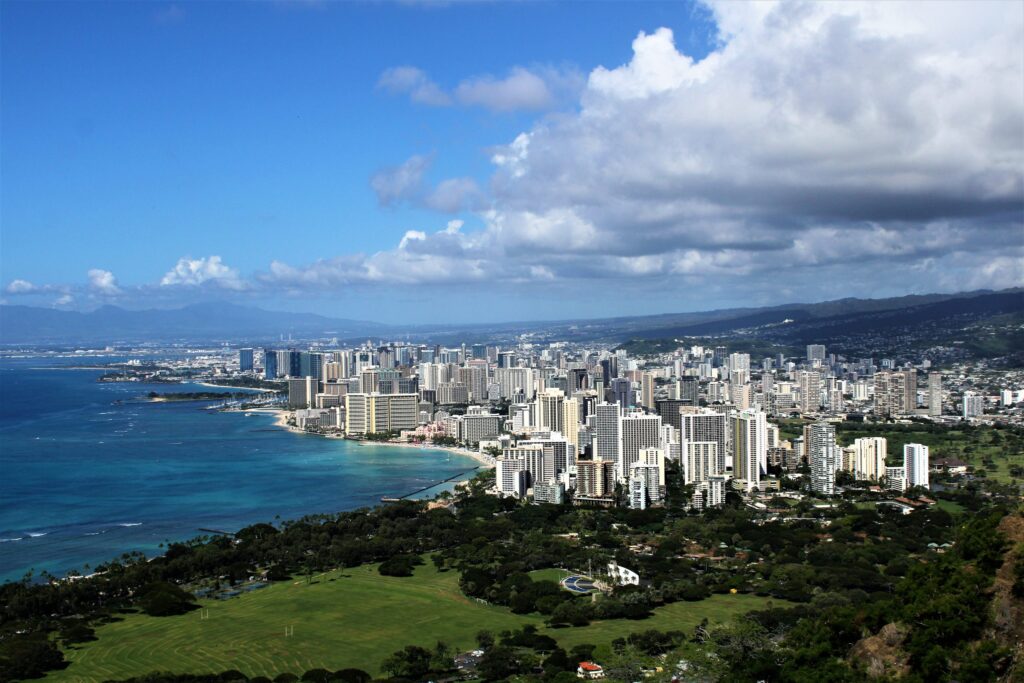
Honolulu, the capital of Hawaii, sits on the southeast coast of Oʻahu and serves as the state’s most populous city, with an estimated 344,967 residents as of 2024. The broader Urban Honolulu area approaches one million inhabitants, ranking it the 56th‑largest metropolitan region in the United States. Known for its scenic harbor, historic sites, and vibrant tourism sector, the city also functions as a key commercial hub in the Pacific.
Emergency responders were praised for their rapid deployment to the scene. Their swift action helped contain the situation and provided immediate medical aid to the injured, underscoring the importance of preparedness during large public events. The incident has renewed discussion about Honolulu’s safety protocols for fireworks, especially around festive gatherings.
Local officials are expected to review existing regulations governing the sale, storage, and use of fireworks. The goal of any forthcoming measures would be to reduce the likelihood of similar tragedies while balancing the community’s cultural traditions that often feature fireworks displays.
Beyond the immediate response, the explosion has highlighted broader civic priorities. Honolulu’s growth has long been tied to its natural harbor, which has facilitated trade and bolstered the city’s economy. As development continues, city leaders emphasize the need to align economic expansion with environmental stewardship, a principle reflected in ongoing renewable‑energy initiatives aimed at lessening reliance on fossil fuels.
Community solidarity has already begun to emerge in the aftermath. Residents are organizing support for the families of the victims and for those receiving medical treatment. The collective response reflects Honolulu’s reputation for strong neighborhood ties and a shared commitment to the islands’ natural beauty.
The tragedy arrives at a time when Honolulu is actively pursuing sustainability goals. Investment in clean energy sources is intended to improve energy security, lower costs, and protect the island’s ecosystems. By advancing these efforts, the city hopes to safeguard the environment that draws millions of visitors each year.
As Honolulu moves forward, the focus remains on healing, accountability, and prevention. Authorities will likely issue a detailed report on the factors that led to the explosion, while community groups continue to provide assistance to those affected. The incident serves as a stark reminder of the risks associated with fireworks and the necessity of rigorous safety standards.
Looking ahead, Honolulu’s leaders and citizens alike are expected to reinforce measures that promote public safety, environmental health, and resilience. By uniting around these objectives, the city aims to honor the victims, support the injured, and ensure that future celebrations can proceed without endangering lives.




