
HONOLULU — On New Year’s Day, an explosion rocked a residential neighborhood in Honolulu, injuring over twenty and claiming at least three lives. The house, not meant for industrial-grade explosives, became a scene of disaster as families gathered for holiday celebrations.
Within moments, police and firefighters were on the scene, finding injured victims in the street. Some were carried out, while others walked, dazed and with burns and cuts. Hospitals swiftly started to treat the wounded, implementing triage protocols for the sudden influx of patients. Authorities have held off releasing names and details of the deceased, or how many remain hospitalized, with these grim details to follow.
The current focus is on the living, the families of the deceased, and those neighbors who came running after hearing the blast. In Hawaii, strict laws regulate fireworks: permits for certain types, and aerial fireworks are mostly banned for residents.
However, illegal shells make their way to the islands every year, arriving by container ship, sold out of garages, and lit in backyards, with varying results. This time, things went terribly wrong, causing a devastating detonation, the kind that levels rooms and kills. Fire investigators will examine the debris and trace the fuse to determine what went wrong.
They’ll investigate if the fireworks were stored incorrectly, were homemade, caused a chain reaction, or if anyone inside had time to run. New Year’s Eve is typically the peak night for fireworks in Hawaii, and some families spend hundreds on aerial shells that light up the sky over Honolulu at midnight.
The noise is incessant, and the smoke hangs into the morning. Normally, the worst that happens is lost fingers or burned hands, but this year, three people will not see the second day of January. Honolulu’s emergency services have been commended for their response, setting up a command post and coordinating with multiple hospitals.
They did everything they were trained to do, but no training prepares them for the smell of burned flesh, the sight of a child with shrapnel wounds, or the silence of an unmoving body. That’s the human toll that first responders carry home.
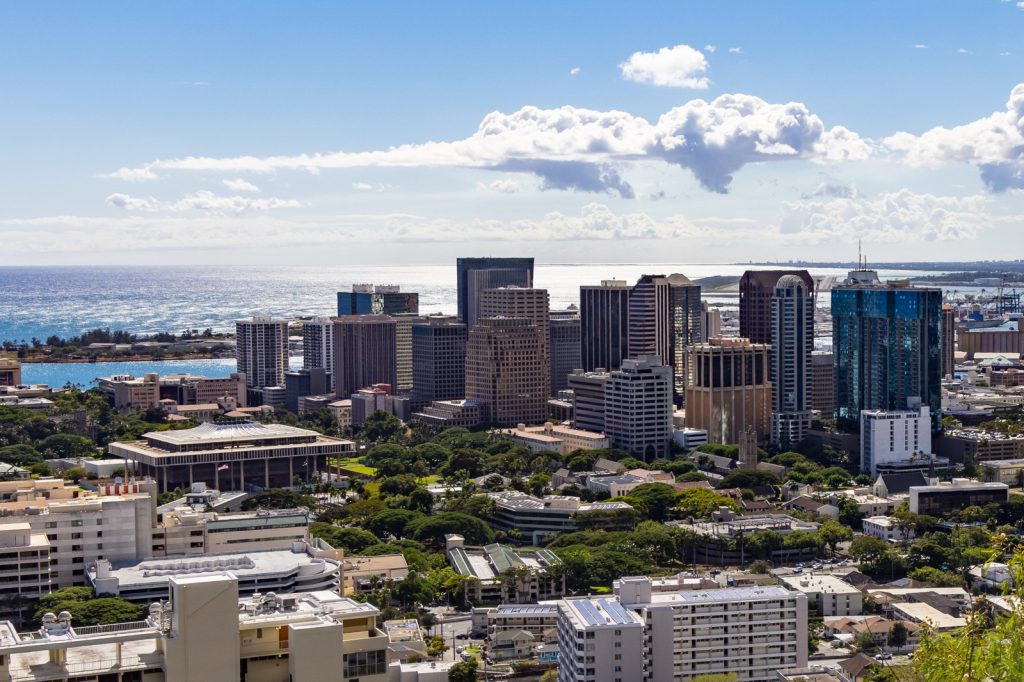
Honolulu, with a population of around 345,000, is a city where fireworks are a part of celebrations. The fabric of that tradition has now torn. The city, along with its metropolitan area that holds nearly a million, is left to predict what happens next: investigations, changes to laws, or perhaps a reevaluation of how fireworks are woven into their annual celebrations.
Background and why it matters
Honolulu, known in Hawaiian to mean ‘sheltered harbor,’ has long served as the capital of Hawaii, a role it has filled since the mid-19th century. With an importance deeply rooted in its position as a port city in the Pacific, Honolulu’s key location in the Hawaiian archipelago has fostered its growth and significance regionally and globally. The city’s position as a crossroads of Western, Asian, and Pacific cultures is reflected in its demographics and attractions, making it a cultural and hospitality hub.
A decline in population and the impacts of climate change, including drought, water shortages, and sea-level rise, contribute to the challenges that Honolulu faces. These factors, along with its role as a cultural and economic center, mean that events such as the recent explosion have wide-ranging ramifications for the city’s residents, its economy, and its image as a premier tourist destination. Understanding Honolulu’s history and current challenges provides context for the impact of such incidents on the city and its people.




