
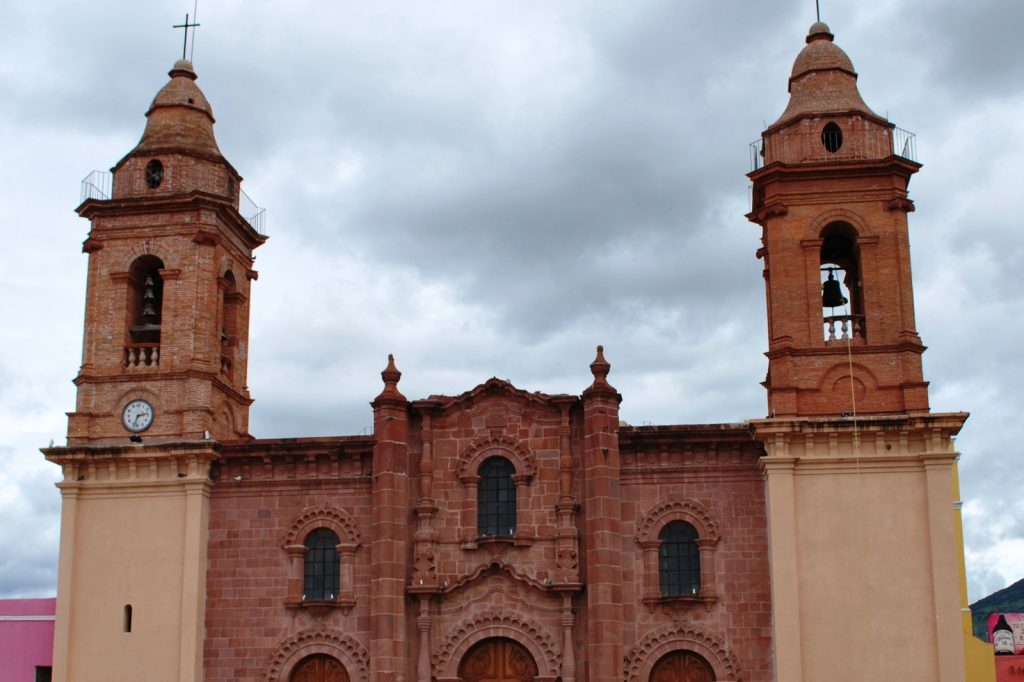
MAGDALENA PEÑASCO, Oaxaca — A devastating bus accident has left this small municipality in mourning. The community, which had a population of 3,461 according to the 2005 census, is grappling with the loss of 27 lives and injuries to 17 others after a bus carrying 44 passengers plunged into a ravine. The crash occurred in the Mixteca Region, located south of the Tlaxiaco District.
This area, known for its cultural significance, is also characterized by steep and winding roads. While the terrain attracts tourists, it poses significant risks to travelers.
The bus did not come to a stop on a level roadway; instead, it fell into a deep ravine. Emergency responders arrived at the scene to find chaos. Rescue crews worked through the aftermath, pulling victims from the wreckage.
The full scope of the tragedy became clear as the injured were transported and the deceased were recovered. The initial impact was followed by a period of silence, then the grim task of counting the dead began.
This is not the first such tragedy in Oaxaca state. The region’s geography is unforgiving, with roads carved into mountainsides. A moment of driver error, brake failure, or loose gravel can send a bus into a canyon. The consequences are always severe: families are broken, and communities are left to bury their dead.
Questions are now being directed at the Mexican government. Were the brakes inspected?
Was the driver adequately rested? Was the vehicle properly maintained? These are not theoretical questions.
They determine whether a bus arrives safely or disappears into a ravine. Magdalena Peñasco spans 75.27 square kilometers and is a close-knit community where everyone knows everyone.
The loss of 27 residents at once has torn the social fabric. Multiple funerals will be held, and empty seats will remain as a constant reminder of the tragedy. The municipality faces a long road to recovery.
Attention is now turning to prevention. Safety measures in regions with challenging terrain must be reviewed, not as a bureaucratic exercise, but as a matter of life and death.
Vehicles must be properly maintained, and drivers must be well-trained and rested. These basics are often overlooked. The accident also raises questions about infrastructure.
Oaxaca needs roads that do not pose deadly risks. Sustainable and resilient transportation systems are necessary.
Long-term investments in renewable energy, such as solar and wind power, could help alleviate economic and environmental pressures. However, such solutions are long-term, and the dead cannot wait for them. For now, the people of Magdalena Peñasco grieve.
They will hold vigils, bury their dead, and ask why. An answer, if it comes, will not bring anyone back.
But it might prevent the next bus from falling. Twenty-seven dead. Seventeen injured. One ravine.
One town changed forever. The numbers are cold.
The reality is not.




