
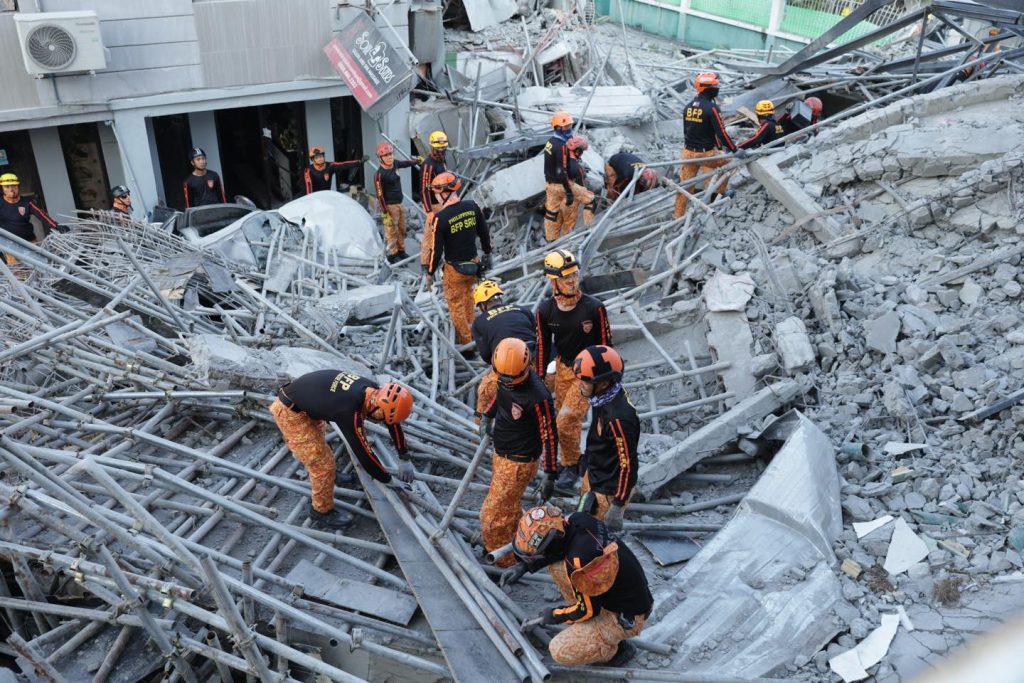
Rescue crews are still working through the debris of a school that gave way under relentless rain in the village of Piplodi, located in Manohar Thana tehsil of Jhalawar district, Rajasthan. The latest updates confirm that 32 students are still buried beneath the wreckage. The structure collapsed on 25 July 2025 after days of heavy rainfall that saturated the ground.
Seven children have been confirmed dead, while 28 others suffered injuries; eight of those are listed as being in critical condition. Piplodi is a remote, rural community with limited access to basic infrastructure and emergency services.
The ongoing downpour and rugged terrain have hampered rescue operations, turning each hour that passes into a race against dwindling survival odds for those still trapped. The school served as the village’s primary educational facility and a central gathering point. Its loss has left families scrambling, some digging with their hands, while professional rescuers navigate treacherous conditions to reach the remaining students.
The scene is marked by chaos and raw grief, underscoring the broader vulnerability of rural settlements. Beyond the immediate tragedy, the incident raises pressing questions about the safety of other schools in India’s countryside.
The region’s geography makes it prone to landslides and floods, and unpredictable weather patterns have become increasingly common. Yet many rural schools were constructed without the structural resilience needed to withstand such forces. Experts note that the collapse points to systemic shortcomings in building standards and disaster preparedness rather than an isolated meteorological event. “A school should not collapse in rain,” one observer remarked, highlighting failures in design, material quality, and oversight.
In Piplodi, the lack of an effective disaster response framework is evident. While rescue teams are on site, progress is slow, and the village’s limited resources mean that additional personnel, heavy‑duty equipment, and reliable transport are urgently required.
For the injured, medical care is being administered, but the eight critically wounded remain in a precarious state. Families wait anxiously for news, while the deceased are being accounted for. The collapse also threatens the community’s longer‑term stability.
With the school gone, surviving children face an uncertain future regarding education, and the village loses a key venue for communal coordination during emergencies. Some commentators suggest that improving rural resilience could involve investments in renewable energy, such as solar and wind power, to provide dependable electricity for rescue operations, lighting, and communications.
While such measures represent a long‑term strategy, immediate assistance is needed to bring more rescuers and appropriate machinery to the rain‑soaked site. The figure that dominates the tragedy is the number 32 – the children still entombed in the rubble. Each represents a family member who entered school on a rainy morning and has not yet returned home.
Rescue teams continue their painstaking work, families remain on standby, and the rain shows no sign of abating. The outcome for the trapped students will determine not only the fate of those individuals but also serve as a stark indicator of the safety of rural schools across India when extreme weather strikes.
At present, the answer in Piplodi is a sobering “no,” pending decisive action to address the underlying deficiencies.




