
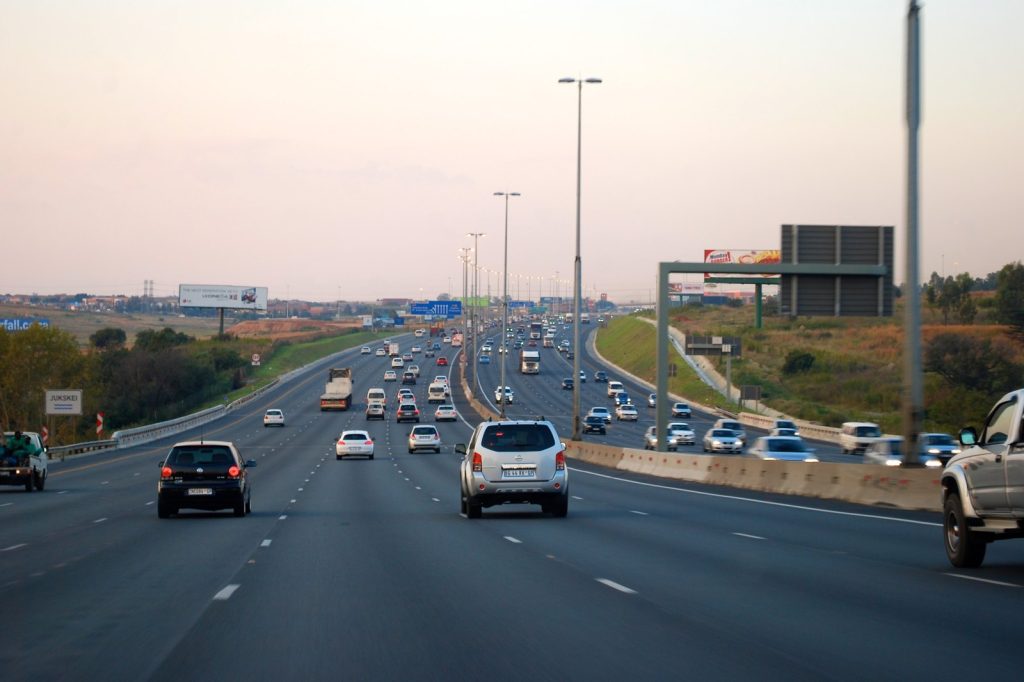
The N1 highway that threads Johannesburg to the Zimbabwe border at Beitbridge became a scene of tragedy on 12 October 2025 when a passenger bus overturned near Louis Trichardt, Limpopo. The accident left 42 people dead and injured another 49. Louis Trichardt, positioned at the base of Hanglip mountain, serves as the administrative centre of the Makhado Local Municipality.
The district covers roughly 16 000 km² and, according to the 2001 census, is home to about 270 000 residents. Situated 437 km from Johannesburg and 106 km from Beitbridge, the town is a natural rest point for north‑south traffic, with fuel stations, eateries and bus depots lining the N1.
The vehicle involved was an intercity coach that was carrying at least 91 passengers, far exceeding the legal capacity of around 60 seats for a standard coach. Overcrowding, a recurring issue on long‑haul routes, was evident. Emergency responders arrived quickly, but the scale of the disaster meant that many victims could not be saved.
The injured were transported to hospitals in Louis Trichardt and surrounding towns, while families gathered at police stations and mortuaries awaiting confirmation of their loved ones’ fates. The accident highlights long‑standing safety challenges on the N1 corridor between Polokwane and Beitbridge.
Large portions of this stretch remain single‑carriageway without median barriers, and overtaking lanes are limited. Nighttime travel is common because passengers aim to reach Gauteng markets before dawn, increasing the risk of driver fatigue. These conditions, combined with reports of poorly maintained vehicles and overloaded coaches, have contributed to a high provincial road‑death rate; Limpopo consistently ranks among South Africa’s most lethal provinces.
This crash is part of a broader pattern of transport fatalities in the country. Earlier in 2025, a bus carrying churchgoers fell from a bridge in the Eastern Cape, killing 45.
In July 2024, a head‑on collision between a minibus and a truck on the N1 near Mokopane resulted in 20 deaths. Common factors in these incidents include excessive speed, driver exhaustion, vehicle defects and overloading. Public transport remains a lifeline for many rural South Africans, who often lack alternative travel options.
While the minibus taxi sector operates with limited regulation, long‑distance bus operators are subject to irregular inspections, and enforcement of safety standards is uneven. The region’s economy is closely tied to the N1.
The fertile Soutpansberg valley surrounding Louis Trichardt produces litchis, bananas, mangoes and nuts that are shipped to Gauteng and beyond. The highway functions as the primary artery for these goods. Following the crash, the road was partially closed for investigation, forcing truck drivers onto longer detours through smaller towns and adding hours to delivery times. Authorities have pledged a full inquiry into the incident.
Investigators will examine the bus’s mechanical state, the driver’s logged hours, road surface conditions and weather at the time of the crash. Past investigations have yielded safety recommendations, but implementation has varied, with speed cameras and road‑maintenance budgets appearing and disappearing over time.
For the people of Makhado Local Municipality, the N1 is more than a transport route; it is the conduit to work, healthcare and urban centres. The loss of 42 community members on 12 October 2025 will reverberate through families and the local economy. While traffic will resume and the mountain will continue to overlook the highway, the tragedy adds urgency to ongoing debates about road safety, vehicle standards and enforcement on South Africa’s busiest corridors.




