Lost for nearly 100 years, this critically endangered venomous primate has reappeared in Indonesia. Conservationists are now working to protect the rediscovered Bangka slow loris from the twin threats of habitat destruction and the illegal wildlife trade.
Rediscovery After a Century of Silence
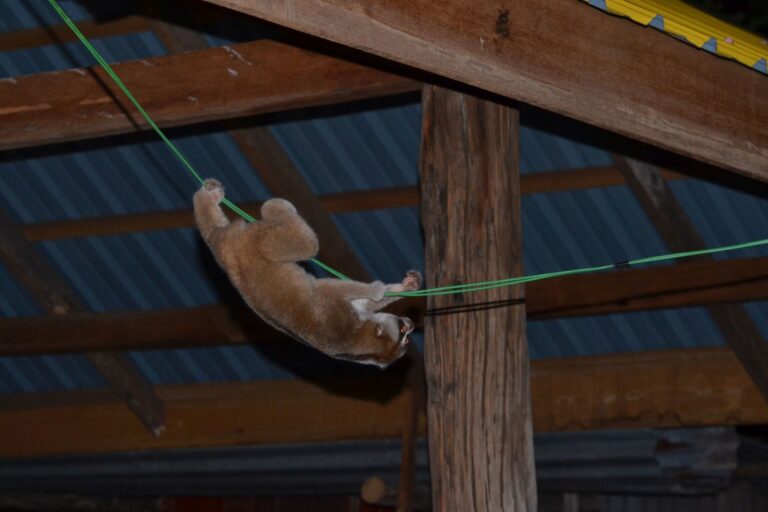
The Bangka slow loris, a critically endangered primate feared extinct, has been confirmed alive after wildlife rescuers documented more than 90 individuals over a decade. The species had not been documented in scientific literature since the 1930s before being found in backyards, roadsides, and power lines on Bangka Island.
A new study published in the scientific journal Spixiana confirms the survival of the Bangka slow loris across much of the island. The evidence comes from more than 90 Bangka slow lorises that Alobi Wildlife Rescue Center rescued between 2015 and 2025. Until now, those encounters had not yet made their way into the scientific literature.
Ecological Significance and Unique Traits
Slow lorises possess a toxic bite created by licking a sweat gland on their arm and mixing the secretion with saliva. This trait is rare among mammals and unique among primates. The toxin is obtained by licking a sweat gland on their arm, and the secretion is activated by mixing with saliva.
The IUCN Red List classifies the Bangka slow loris as critically endangered and possibly extinct. All slow loris species are threatened by the exotic pet trade, traditional medicine, and rapid habitat loss. Their habitat is rapidly disappearing and becoming fragmented, making it nearly impossible for slow lorises to disperse between forest fragments.
Threats from Habitat Fragmentation and Illegal Mining
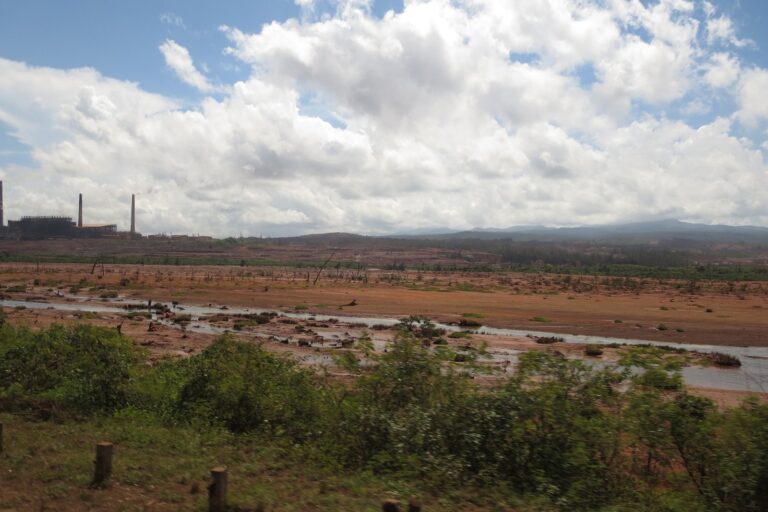
Natural habitat on Bangka Island has shrunk significantly due to illegal tin mining and massive land clearing for oil palm plantations. Bangka Island is home to more than 1 million people, where human settlements, roads, and power lines pose significant threats.
The study’s authors recommend a conservation program on Bangka that protects suitable habitat and continues monitored releases following IUCN Species Survival Commission guidelines. They also propose a conservation breeding program that could help conservationists learn more about the species’ biology and behavior.
Rescue Efforts and Future Conservation Steps
Alobi Wildlife Rescue Center rescued more than 90 slow lorises between 2015 and 2025 across all four regencies of Bangka Island and in the city of Pangkal Pinang. Of the more than 90 slow lorises Alobi rescued, 86 recovered and were released at seven sites on Bangka.
Alobi’s team chose the release sites carefully, focusing on the island’s larger forest fragments that can still provide good habitat and have some level of legal or practical protection. The next steps include population surveys, genetic studies, and tracking how released slow lorises fare once they are back in the forest.
Conservation Efforts And Community Involvement
According to Langka Sani, director of the Alobi Wildlife Rescue Center, “We are glad to contribute to the scientific record to show that the Bangka slow loris is not lost, but the species is still very close to extinction,” and the center asks people around the world to support them in saving the Bangka slow loris while they still can.
The Alobi Wildlife Rescue Center has been rescuing slow lorises reported by residents and local authorities across the island, caring for the animals and returning those that recover to protected forest, with 86 out of more than 90 rescued slow lorises recovering and being released at seven sites on Bangka.
Timon Glaw said, “Bringing the Bangka slow loris back onto the scientific radar is only the first step,” and emphasized the need for a long-term conservation strategy built on population surveys, genetic studies, and protection of its remaining habitat.
Rescue Efforts and Release Strategies by the Alobi Wildlife Rescue Center
The Alobi Wildlife Rescue Center has implemented a meticulous rescue and release strategy to ensure the survival of the Bangka slow loris. Between 2015 and 2025, the center rescued more than 90 individuals, with 86 successfully recovering and being released at seven carefully selected sites across Bangka Island. These sites were chosen based on their size, quality of habitat, and level of legal or practical protection, ensuring the released lorises had a higher chance of survival.
According to the study, the release process involves a period of rehabilitation and health monitoring before the lorises are reintroduced to the wild. The center works closely with local communities and authorities to identify and rescue slow lorises found in urban areas, on roads, or in power lines. Once rescued, the animals are assessed for injuries, treated if necessary, and then monitored in a controlled environment before release. This approach helps mitigate the risks associated with sudden reintroduction into the wild and increases the likelihood of successful reintegration into their natural habitat.
Scientific Collaboration and Publication Milestones
The new study appeared in the peer‑reviewed journal Spixiana during October’s Lost Species Month, highlighting the Bangka slow loris as one of Re:wild’s “most wanted” lost primates. The paper was co‑authored by Alobi Wildlife Rescue Center, Haus des Meeres Aqua Terra Zoo in Vienna, and the Taman Safari Prigen Conservation Breeding Ark, marking the first time Alobi’s decade‑long rescue records entered the scientific literature.
The collaboration began with a chance conversation in Java: while visiting the Taman Safari Prigen facility, study co‑author Timon Glaw learned from conservationist Jochen Menner that the species was listed as “critically endangered (possibly extinct)” on the IUCN Red List. Menner connected Glaw with Alobi, where the rescue centre supplied documentation of more than 90 encounters from 2015‑2025, enabling the joint analysis that confirmed the loris’s continued presence across Bangka.
Sources
- Lost for nearly 100 years, this critically endangered venomous primate has reappeared in Indonesia- Moneycontrol.com
- Slow loris
- Venomous primate thought lost to science for nearly a century turns up in gardens and on roads across Indonesia
Photo: Philipp Hoenle (CC0)