
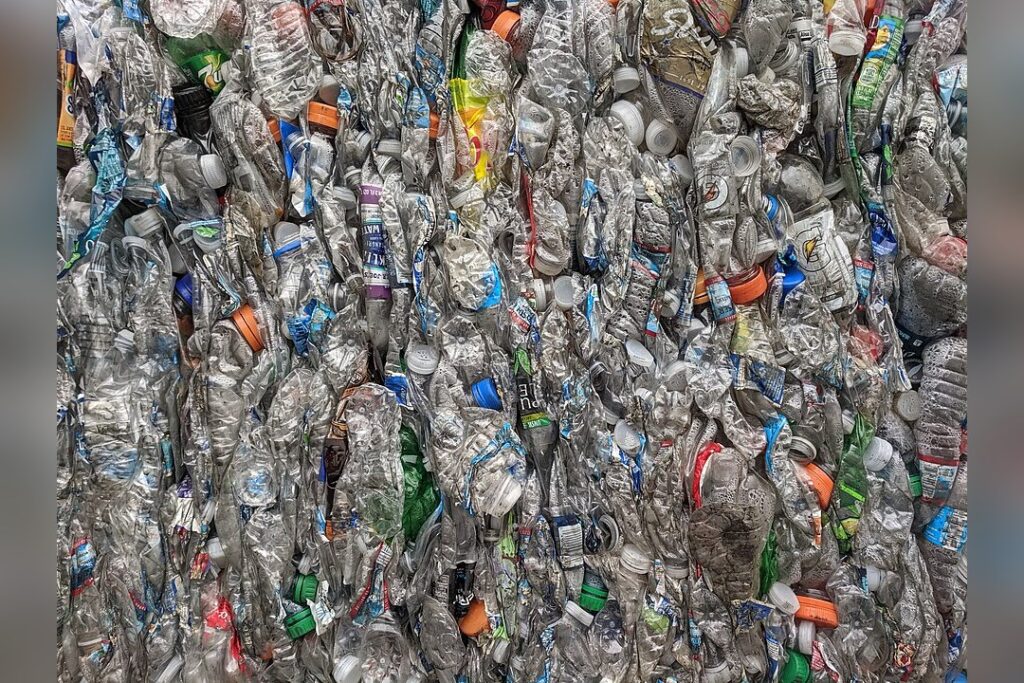
Recycled PET sold for USD 1,096 a metric ton in the United States in the first quarter of 2026. In Germany it was USD 1,105. China came in at USD 693, India at USD 715 and Brazil at USD 960. Those are the figures from the latest recycled PET price report from IMARC, and they all point the same way: down.
The report describes a global correction after the surge of 2025. Prices fell in major regions as recycling rates improved, more feedstock became available and demand from packaging and textile makers stayed moderate.
A wide gap between West and East
The spread between regions is large. The USA and Germany kept the highest prices, which the report ties to stricter environmental rules and higher processing costs. China and India were cheaper. Their producers benefit from lower production costs and plenty of local feedstock, mostly post-consumer PET bottles. Brazil landed between the two groups.
That 2025 peak had its own causes. The report points to high energy costs, supply chain disruptions and regulatory pressure. By early 2026, easing inflation and better recycling infrastructure had pulled prices into a more balanced range, and the price chart shows a downward slope from late 2025.
What moves the price
Feedstock supply matters most. Energy and labor costs come next, especially in developed regions. Rules that require recycled content push demand up, and virgin PET competes on price, so swings in crude oil spill into the recycled market. Trade flows and logistics costs add to the differences between regions.
Buyers, for their part, have been cautious. IMARC says the current mood is wait-and-watch, with controlled purchasing and steady inventories. The report reads the dip as a chance for strategic buying ahead of a possible demand recovery later in the year.
Beverage bottles, food packaging, textiles and fiber are the main uses. Fashion and automotive parts are growing ones. Indorama Ventures and Veolia are named among the key suppliers.
Outlook
IMARC expects prices to hold fairly steady in the short term, with small swings from seasonal demand, and a mild recovery if packaging orders pick up by mid-year. Over the longer run it expects prices to climb as sustainability mandates, circular economy programs and higher recycled content targets take hold. It also notes recycling plants are expanding in Asia and Europe.




